Choosing a memorial is one of the most deeply personal decisions you will ever make. You are not just buying a piece of rock; you are selecting a permanent, physical testament to a life well-lived. In the heavy fog of grief, being asked to navigate the nuances of stone durability, cemetery regulations, and design choices can feel incredibly overwhelming.
Why does getting this right matter so much? Because a poorly chosen stone can crack under freezing temperatures, lose its inscription to acid rain, or simply fail to capture the essence of the person you are honoring.
This comprehensive guide is designed to remove the guesswork. Blending timeless stonemasonry traditions with updated 2026 cemetery standards, we will walk you through exactly how to select, customize, and maintain natural stone monuments so your tribute stands strong for generations.
What are natural stone monuments?
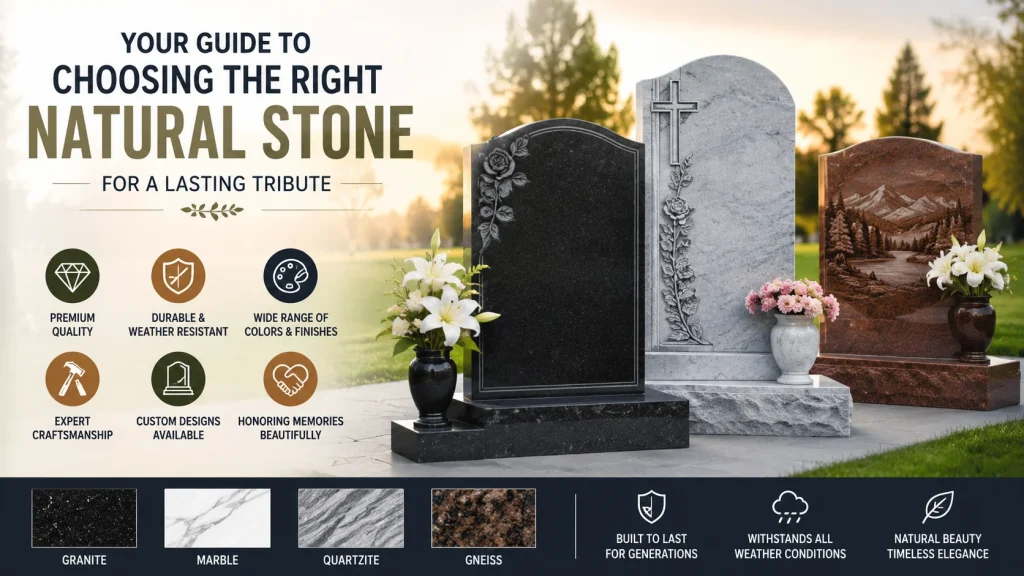
Natural stone monuments are enduring tributes crafted from solid earth materials, primarily granite or marble, used to honor a deceased loved one. Because these materials are highly resistant to weathering, scratching, and time, they remain the most reliable choice for creating a permanent, beautiful memorial.
Why Choose Natural Stone for Memorials?
For centuries, humanity has relied on natural stone to mark the final resting places of its ancestors. While synthetic options and metals like bronze exist, natural stone remains the undisputed standard for memorials.
Here is why natural stone is the superior choice for a tombstone or monument:
Unmatched Durability: Natural stone has already survived millions of years of geological pressure. High-quality stones can withstand harsh UV rays, freezing winters, and driving rain without losing their structural integrity.
Unique Character: Because it is forged by nature, no two blocks of stone are identical. The veining, mineral deposits, and subtle color variations mean your loved one’s headstone will be entirely unique.
Customizability: Stone can be sculpted, laser-etched, sandblasted, and polished to achieve an endless array of finishes.
Low Environmental Impact: Compared to heavily processed synthetic materials, natural quarrying—when done responsibly—leaves a smaller carbon footprint, a factor increasingly important to families in 2026.
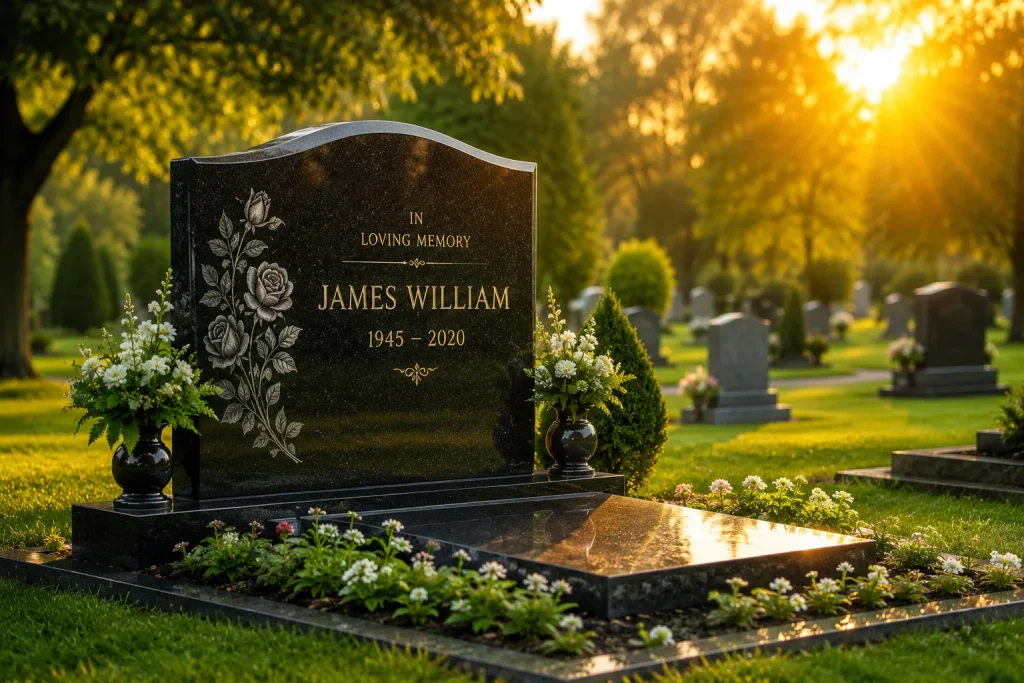
The Best Types of Natural Stone for Monuments
Not all stones are created equal. When selecting a material, you must balance aesthetics with longevity. The two undisputed champions of the memorial industry are granite and marble, but they serve very different purposes.
Granite: The Gold Standard of Longevity
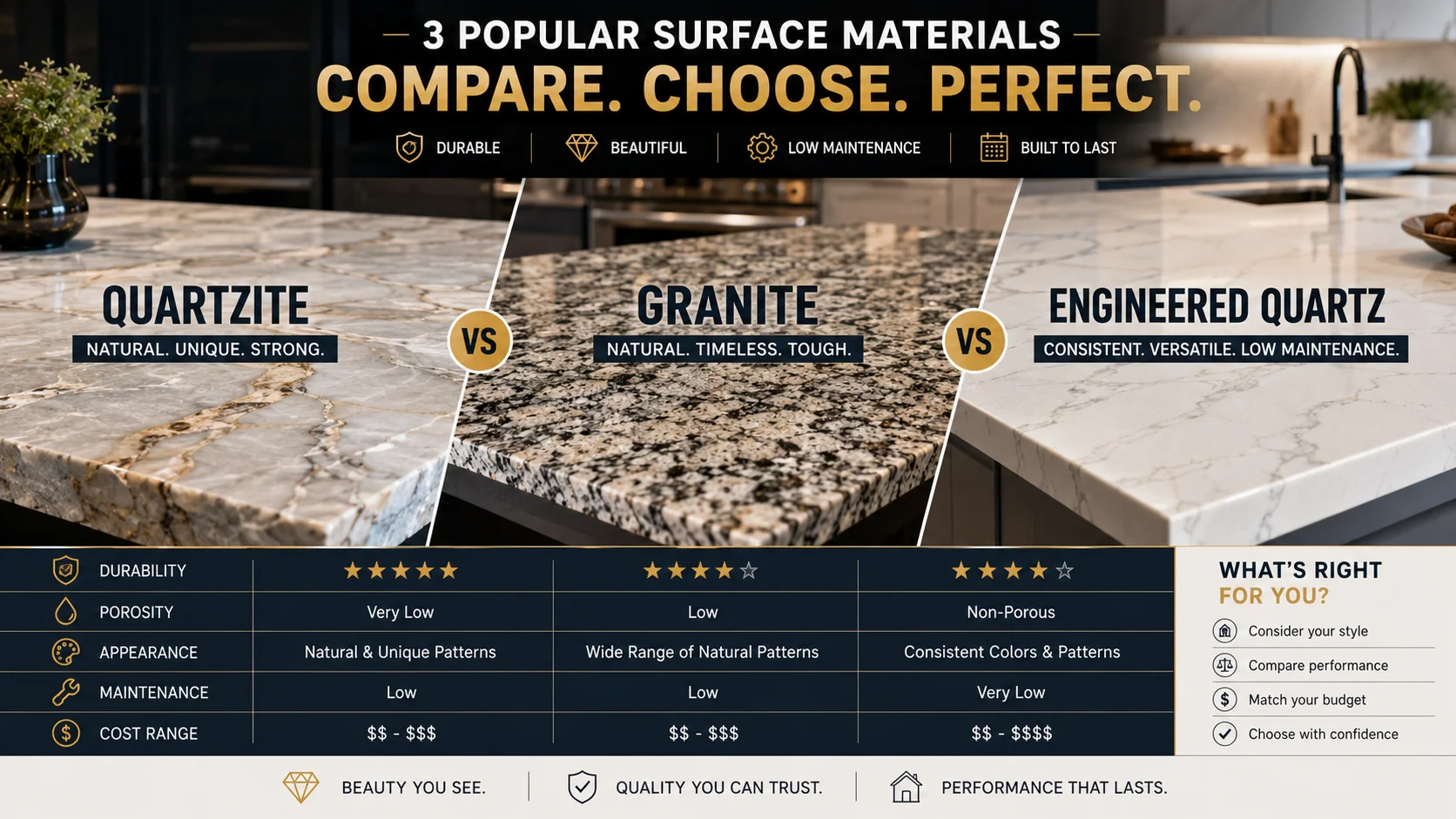
If you want a gravestone that requires zero worry and minimal maintenance, granite is the answer. Formed from cooling magma deep within the earth, granite is an igneous rock heavily composed of quartz and feldspar. On the Mohs hardness scale, granite scores between a 6 and a 7 (out of 10), making it incredibly resistant to scratching and chipping.
Because of its density, granite does not easily absorb water. This is crucial if you live in a climate with freezing winters; water that seeps into porous stone and freezes will cause cracking. Families looking for maximum durability overwhelmingly choose granite monuments because they hold intricate laser etchings and deep sandblasted lettering perfectly over centuries.
If you are trying to decide which material will best withstand the test of time, comparing how granite and marble weather over decades is a crucial first step in the planning process.
Marble: The Classical and Elegant Alternative
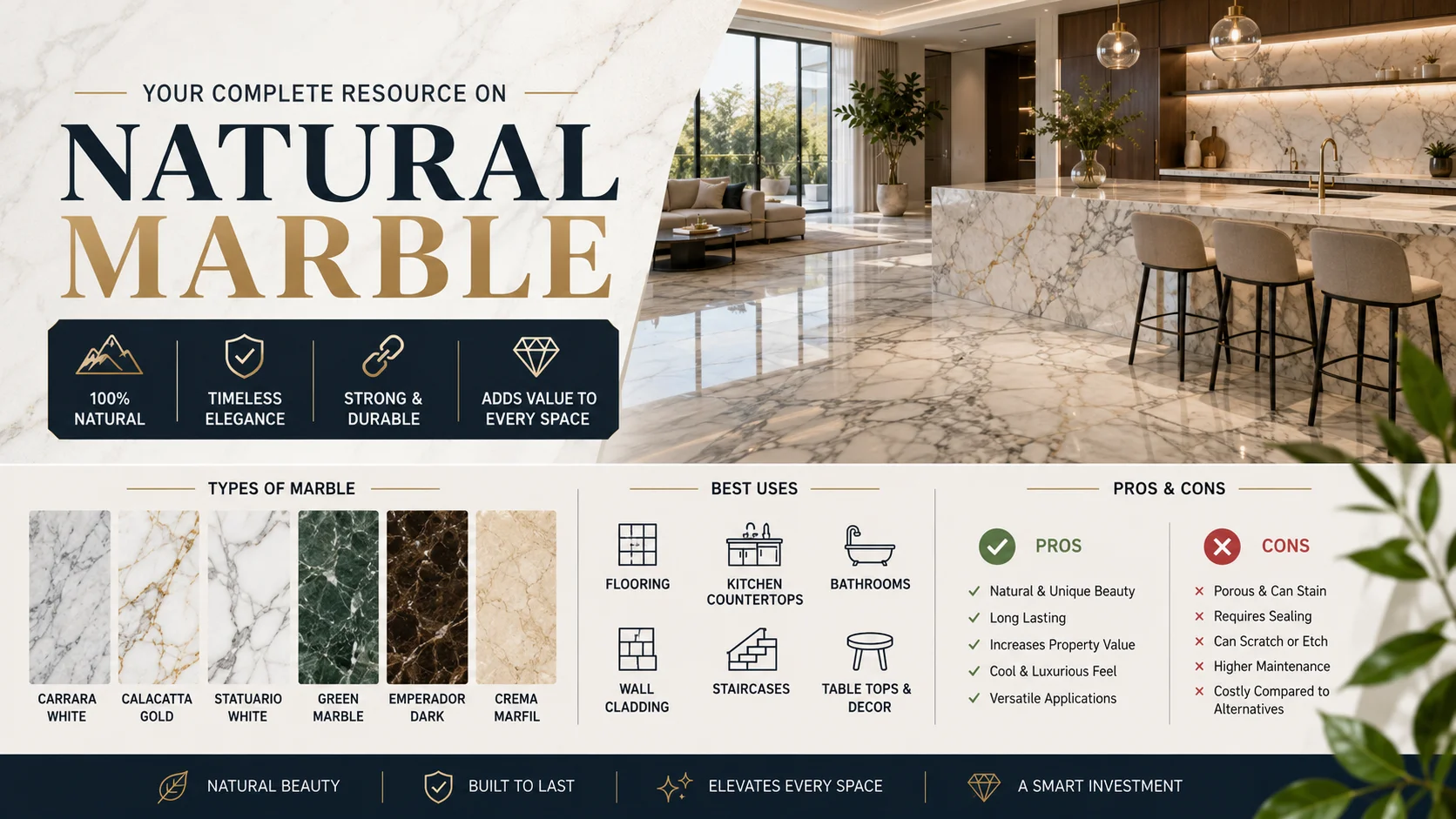
Marble is a metamorphic rock, meaning it was once limestone that underwent intense heat and pressure. It is undeniably gorgeous. The Taj Mahal and Michelangelo’s David are carved from marble for a reason: it possesses a soft, luminous quality that granite cannot replicate.
Using a pristine, unblemished material like ice white marble creates a classic, sculptural headstone that looks deeply traditional and angelic.
However, marble is softer than granite (scoring a 3 to 4 on the Mohs scale). It is highly porous and susceptible to deterioration from acid rain and environmental pollutants. Over many decades, crisp lettering on a marble tombstone will begin to soften and blur. If you choose marble, you must be prepared for it to weather gracefully, accepting that its gradual aging is part of its organic charm.
The Mohs Hardness Scale Comparison
| Stone Type | Mohs Hardness Rating | Porosity Level | Best Use Case |
| Granite | 6.0 – 7.0 | Very Low | Long-lasting outdoor monuments, intricate laser etchings |
| Marble | 3.0 – 4.0 | High | Detailed hand-carved sculptures, indoor crypts |
| Sandstone | 2.0 – 5.0 | Very High | Dry climates only (rarely used in modern memorials) |
Selecting the Perfect Color and Finish
The color of a monument does more than just dictate its appearance; it conveys a mood, honors a personality, and even impacts how clearly inscriptions can be read. In 2026, quarries around the world are yielding an incredible spectrum of natural stone.
Exploring the symbolism behind popular monument colors can help you narrow down your choices and select a shade that truly resonates with your loved one’s legacy.
Deep and Formal Tones
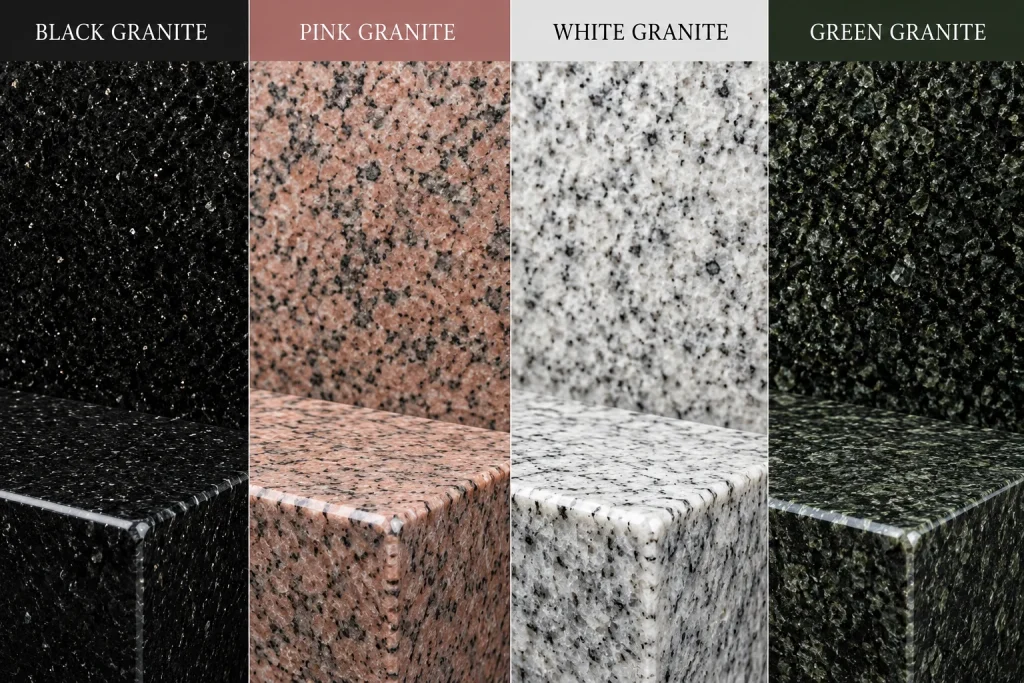
For a striking, traditional look, investing in absolute black granite monuments ensures a mirror-like polish that never fades. Black granite provides the absolute best contrast for laser-etched portraits and white-painted lettering.
If you prefer a highly contemporary, resilient gravestone that hides dust and water spots beautifully, the cool, understated elegance of steel grey granite offers a fantastic modern alternative.
Bright and Uplifting Whites
White stones symbolize purity, peace, and spirituality. If you want a brighter, highly contrasting look, the subtly speckled colonial white granite provides a soft, approachable brightness. For a stone with slightly more movement and delicate veining, Kashmir white granite is an exceptional choice that blends seamlessly into outdoor, snowy, or garden-like cemetery landscapes.
If you prefer a more regal, uniform brightness with an incredibly tight grain, imperial white granite offers a flawless, majestic finish that stands out beautifully against green cemetery lawns.
Warm, Earthy, and Vibrant Hues
Sometimes, a neutral color simply does not capture the vibrancy of the person you are memorializing.
For the Gentle Soul: Many families gravitate toward the gentle, warming aesthetic of Chima pink granite, which softly reflects the morning sun.
For the Bold Spirit: If your loved one had a dynamic, passionate personality, the deep, rich tones of Jhansi red granite might perfectly reflect their enduring spirit.
For the Nature Lover: For those who preferred the quiet tranquility of the outdoors, the earthy, soothing hues found in Kuppam green granite provide a beautiful tribute that blends harmoniously with surrounding trees and foliage.
The Craftsmanship: How Memorials Come to Life
A raw block of stone does not become a beautiful tribute by accident. The transformation requires immense skill, heavy machinery, and delicate artistry.
Understanding the intricate journey from a raw quarry block to a finished headstone gives families a deeper appreciation for the permanent art piece they are commissioning.
Step 1: Quarrying and Cutting
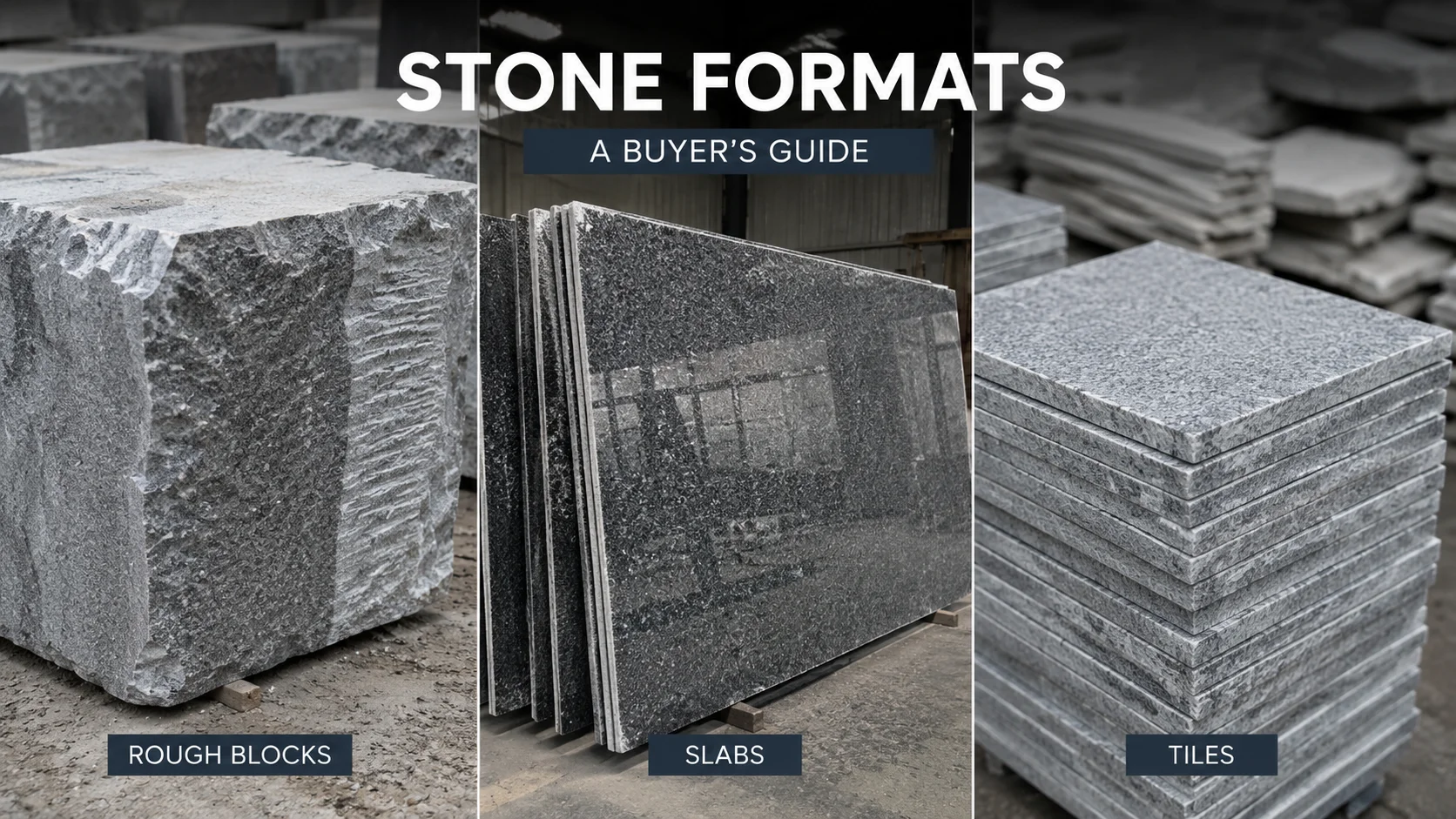
First, massive blocks of stone are blasted or cut from the earth. Diamond-tipped wire saws slice these massive blocks into “slabs” of appropriate thickness.
Step 2: Polishing and Shaping
The slabs are then polished using increasingly fine abrasive pads until they achieve a glassy, reflective surface. Families can choose different finishes:
- Polished: Highly reflective, smooth, and excellent for repelling water.
- Honed: Smooth but non-reflective (matte finish).
- Rock Pitch: A rough, natural, chipped edge that looks rustic and rugged.
Step 3: Lettering and Etching
Today, stonemasons use a combination of traditional sandblasting and modern laser etching.
- Sandblasting is used for deep, V-shaped lettering. A rubber stencil is applied to the stone, and high-pressure abrasive sand carves out the exposed areas.
- Laser Etching uses CNC machines to burn microscopic dots into the stone, allowing for photorealistic portraits and incredibly detailed scenic landscapes (this works best on pure black granite).
Navigating Cemetery Rules and Regulations
One of the biggest mistakes families make is purchasing natural stone monuments before consulting their cemetery. Almost every cemetery in the world has strict bylaws governing what can and cannot be placed on their grounds.
Before you fall in love with a specific design, ask the cemetery director the following questions:
- Are there size restrictions? (Many cemeteries limit the height and width of a headstone based on the plot size).
- Are specific materials banned? (Some older, historic cemeteries only allow marble or bronze, while some modern lawn-park cemeteries only allow flat granite markers).
- Are there color restrictions? (Certain religious or veteran cemeteries require uniform stone colors).
- What are the concrete foundation requirements? (A heavy stone requires a deep concrete footing to prevent it from sinking or leaning over time).
Always get the cemetery’s approval in writing before authorizing your monument maker to begin carving.
Cost Factors in 2026: What to Expect
Budgeting for a memorial can be stressful, especially because pricing in the stone industry fluctuates based on global shipping, quarry yields, and labor costs. In 2026, here is how the costs break down:
- The Material Origin: Domestically quarried stones are usually more affordable due to lower shipping costs. Rare blues or vivid reds imported from overseas will carry a premium price tag.
- The Size and Weight: You are essentially paying by the cubic foot. A massive upright family monument will cost significantly more than a flat grave marker.
- The Finish: A stone that is polished on all six sides requires more labor than a stone that is only polished on the front and left rough on the back.
- Custom Art and Lettering: Standard fonts are usually included in the base price, but custom, hand-carved floral borders, lengthy epitaphs, and laser-etched portraits will increase the final cost.
💡 Pro-Tip
Do not sacrifice stone quality for size. It is much better to buy a slightly smaller, highly durable granite stone than a massive, low-quality stone that will crack within a decade.
Maintaining a Gravestone or Tombstone Over Time
You have selected the perfect natural stone, it has been beautifully carved, and it is finally installed. How do you ensure it stays pristine? While natural stone is tough, it is not entirely immune to nature. Moss, lichen, hard water stains, and bird droppings will eventually take up residence on the stone.
The Do’s of Monument Cleaning
- DO use plenty of clean, distilled water.
- DO use soft-bristle brushes (like a natural tampico brush) or clean microfiber cloths.
- DO use non-ionic soaps (soaps that do not leave a conductive residue).
- DO clean from the bottom up to prevent streaks from dirty water running down the dry face of the stone.
The Don’ts of Monument Cleaning
- DON’T ever use bleach, ammonia, or household surface cleaners. These harsh chemicals can break down the minerals in the stone and strip away the polish.
- DON’T use pressure washers. The intense blast can blast away the paint inside the lettering and physically pit the surface of the stone.
- DON’T use wire brushes, steel wool, or abrasive scraping pads. These will permanently scratch the stone.
“The biggest tragedy we see in cemetery preservation is well-meaning families destroying beautiful memorials with household bleach. Patience, soft brushes, and plain water are a stone’s best friend.” — Master Stonemason
Frequently Asked Questions
How long do natural stone monuments last?
High-quality granite monuments can last for hundreds, if not thousands, of years with minimal degradation. Marble monuments will typically remain structurally sound for centuries, though their detailed carvings and inscriptions may begin to blur and weather after 75 to 100 years due to environmental exposure.
What is the difference between a headstone, tombstone, and monument?
While often used interchangeably, a headstone specifically refers to the stone placed at the head of a grave. A tombstone originally referred to the stone lid of a stone coffin (tomb). A monument is a broader term encompassing any structure—like an obelisk, bench, or large upright stone—erected to preserve a memory.
Can I add a new name to an existing natural stone monument?
Yes. Professional monument carvers can take their equipment directly to the cemetery. They use portable sandblasting tools to precisely match the original font, size, and depth of the existing inscriptions, allowing you to add new names to a family stone without moving it.
Does the color of the granite affect its durability?
Generally, no. All authentic granite is incredibly durable. However, standard black granites are exceptionally dense, making them slightly less porous than some lighter-colored granites. Ultimately, any commercial-grade memorial granite, regardless of color, will effortlessly survive harsh weather conditions.
Conclusion: Crafting a Legacy in Stone
Choosing the right natural stone monuments is a journey of balancing durability, cemetery rules, aesthetic beauty, and personal meaning. Whether you are drawn to the resilient, mirror-like polish of absolute black granite, the gentle warmth of pink granite, or the classical elegance of white marble, the material you choose will stand as a permanent anchor for your family’s history.
Take your time. Consult with experienced stonemasons, verify your cemetery’s regulations, and select a stone that accurately reflects the unique life it represents.