


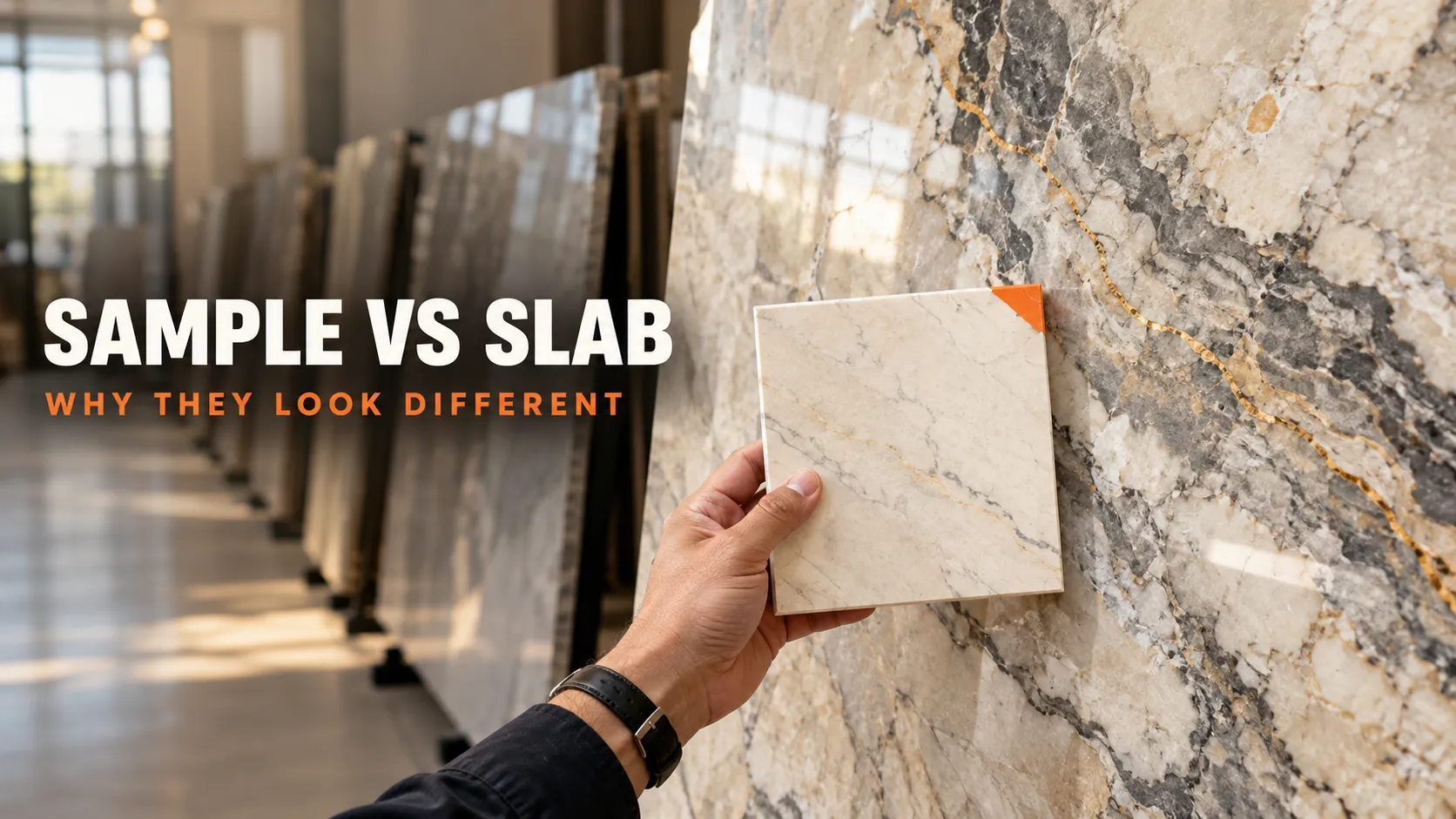

You order a small 10×10 cm marble sample, liked the crisp white background and delicate grey veining, and approve the order for your new villa or apartment renovation. Weeks later, the crate arrives on site. You pull back the protective wrapping to inspect the full slab, only to find bold, sweeping charcoal veins and a subtle warm background hue that looks noticeably different from the sample in your hand.
This experience is one of the most common surprises for homeowners, interior designers, and fit-out contractors across Europe, the Gulf, and the wider Middle East.
While holding a natural stone sample gives you a helpful initial feel for material, density, and finish, a small piece can rarely tell the full story of an entire slab. Understanding why natural stone samples differ from full slabs—and how to evaluate material before ordering—will help you make confident decisions for your project.
The Geological Reality: How Natural Stone Is Formed
Unlike engineered quartz or porcelain tiles produced in controlled factory conditions, natural stone is mined directly from the earth. Every block of marble, granite, quartzite, travertine, limestone, or onyx formed over millions of years under shifting temperatures and intense tectonic pressure.
Because of this natural formation, geological variations occur throughout the quarry:
- Mineral Composition: Small shifts in iron oxide, quartz, calcite, or organic matter alter background shade, clarity, and tone from one part of a quarry block to another.
- Veining and Flow: Dramatic dramatic veining in materials like Calacatta or Grand Antique marble flows unevenly across metres of stone. A small sample cut from a quiet section misses these dynamic sweeping patterns entirely.
- Batch and Lot Variations: Slabs cut from Block A will inevitably look slightly different from slabs cut from Block B, even when extracted from the exact same quarry face.
When you hold a small sample, you are viewing only a fraction of a percent of a full slab.
Why Stone Samples vs Slabs Differ on Site
Beyond geology, several physical factors alter how a full slab looks once it is cut, finished, and placed in your room.
1. Surface Finishes Change Colour Depth
The finish applied to a slab alters its tone and light reflection:
- Polished Finish: Enhances colour saturation, deepens dark tones, and brings out intricate veining.
- Honed Finish: Offers a smooth, matte look that softens natural contrast and lightens dark shades.
- Leathered or Brushed Finish: Adds textured dimension, changing how light catches the surface compared to a smooth sample.
If your sample features a polished finish but you order a honed slab for your bathroom flooring or kitchen worktop, the final installed stone will reflect light completely differently.
2. Cutting Direction (Vein-Cut vs Cross-Cut)
The direction a stone block is sliced changes its visual pattern. Slicing along the natural bedding plane (vein-cut) creates parallel linear striations, whereas slicing across the plane (cross-cut) reveals soft, cloudy formations. A sample cut from one end of a slab may look cross-cut, while the rest of the slab displays dominant linear grain.
3. Scale and Open Spaces
A 15 cm sample fits in your hand, but a full slab often measures over three metres wide. In grand open-plan villas or hotel lobbies, broad patterns expand across feature walls and flooring. Patterns that appear busy or intense on a tiny sample often balance out gracefully across larger surface areas.
Environmental and Lighting Factors Across Regions
Light plays a major role in how natural stone appears in real-world spaces. The same grey quartzite or cream limestone can change visual character depending on geographic location and interior lighting choices.
Sunlight and Climate Differences
- The Gulf Region (UAE, Saudi Arabia, Qatar): Intense natural daylight and floor-to-ceiling glass in modern villas elevate white and golden tones. However, bright sun can make subtle veining appear faint or washed out during peak daylight hours.
- Northern and Central Europe (UK, Germany, France): Cooler, overcast sky conditions bring out blue, grey, and charcoal undertones in marble and granite slabs.
Interior Lighting Choice
Showroom lighting often relies on high-CRI spotlights engineered to make stone surfaces pop. Once brought into a residential space with warm LED downlights (2700K–3000K), background tones shift noticeably warmer. Always view stone samples under the exact color temperature planned for your space.
How to Approve Natural Stone Before Ordering
To eliminate surprises and ensure your project turns out exactly as intended, follow this practical step-by-step checklist before approving any stone order:
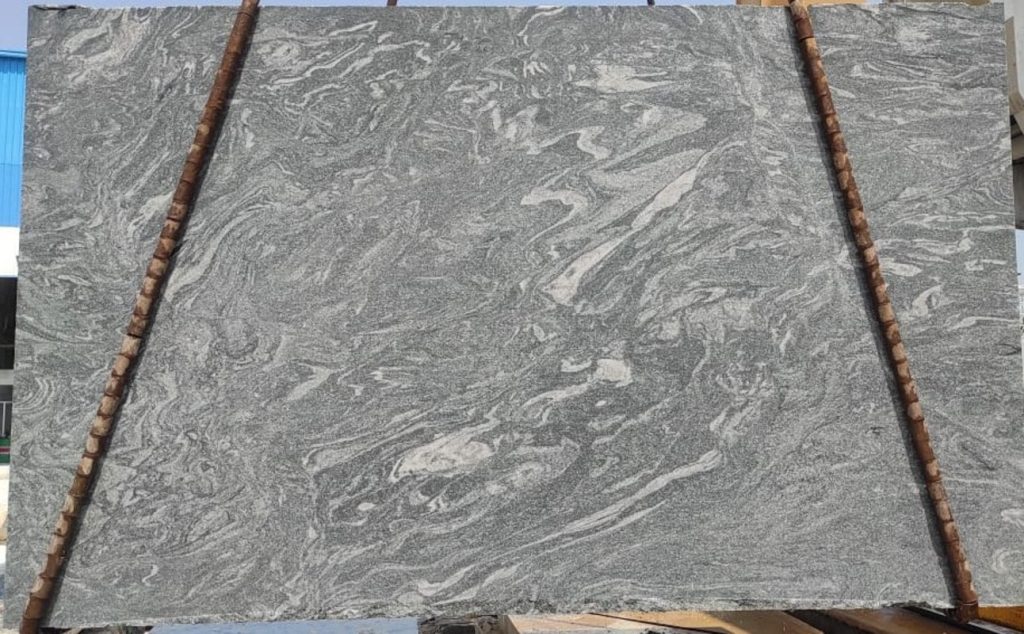
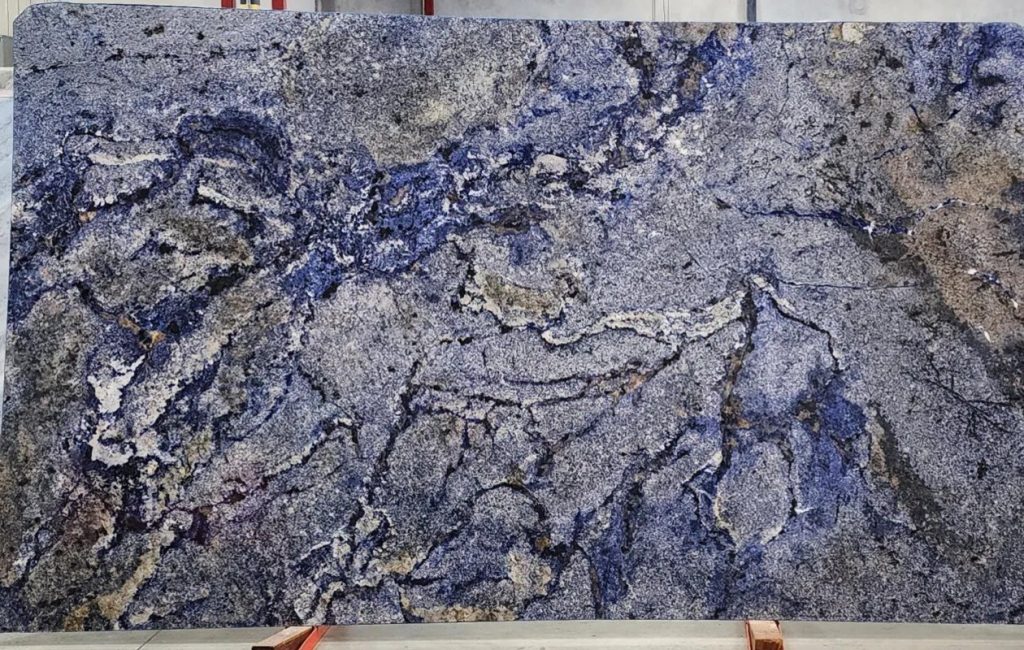
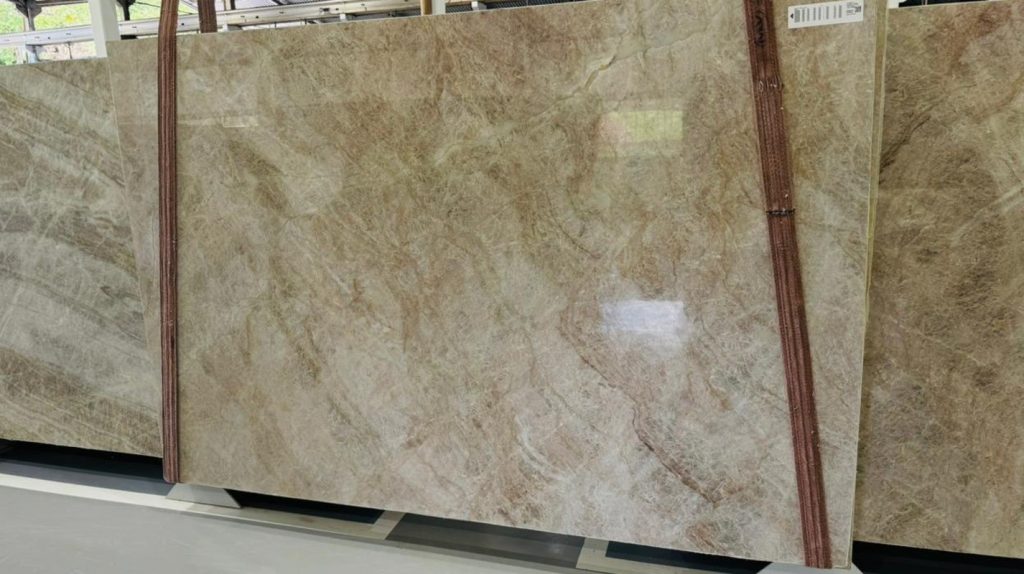
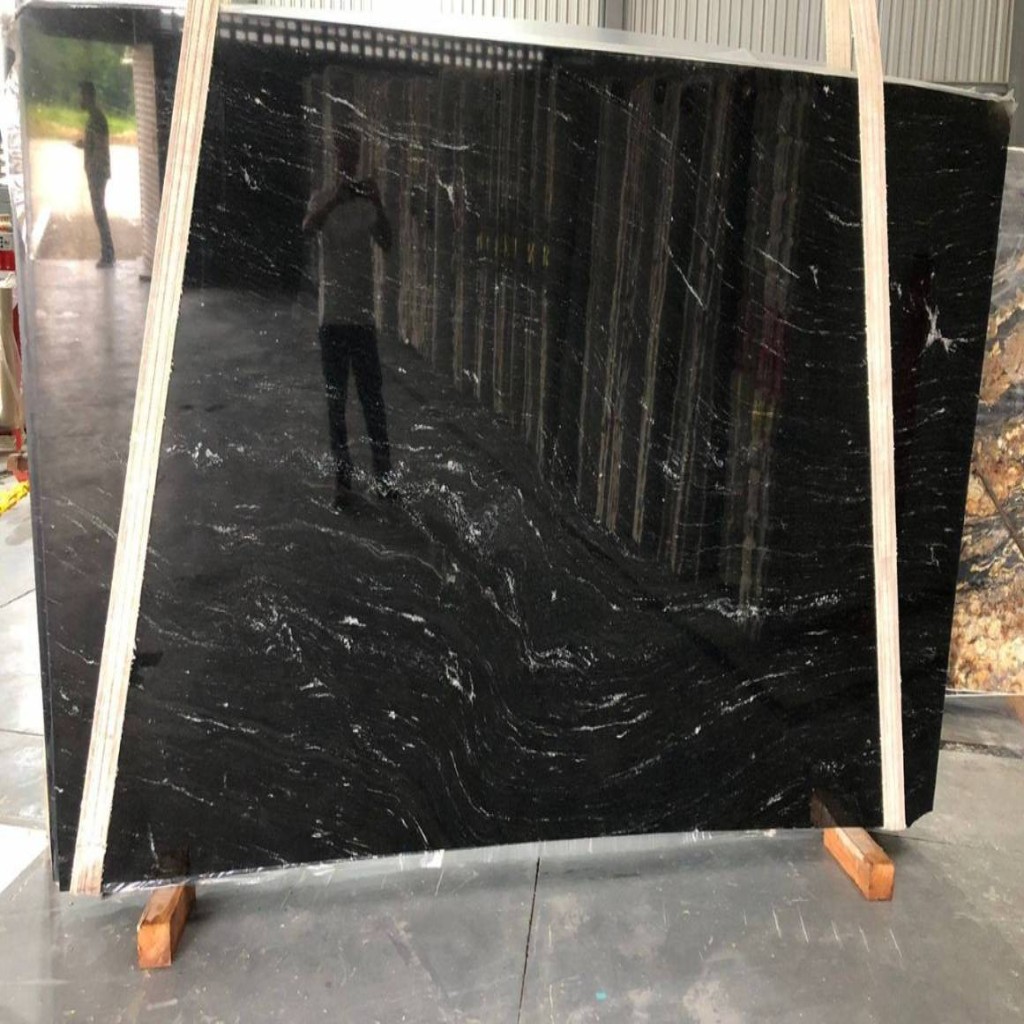
- Request High-Resolution Slab Photos: Ask your natural stone supplier for current photos and videos of the exact batch or lot available in the warehouse.
- Review Full Slab Bundles: When ordering stone for large flooring areas, staircases, or wall cladding, ensure all slabs come from the same block to maintain consistent background tone.
- Plan Bookmatched Slabs Early: For feature walls, kitchen islands, or luxury bathroom fit-outs, verify whether adjacent slabs can be mirrored (bookmatched) for continuous pattern flow.
- Order a Physical Sample from the Active Lot: If you must decide using a sample, request one cut directly from the current production lot rather than an old showroom display piece.
- Conduct a Dry-Lay Inspection: Prior to installation, ask your contractor to lay out the slabs on site. This allows you to arrange veining and color shading for a balanced overall result.
Working Confidentially with Your Stone Supplier
Natural stone variation is a key feature of its natural beauty, not a defect. Communicating openly with an experienced stone supplier helps bridge the gap between initial sample review and final installation.
By reviewing high-res photos, inspecting full slabs, and confirming batch consistency upfront, you can select materials with complete peace of mind—whether fitting out a boutique hotel in Milan, a residential renovation in London, or a private villa in Abu Dhabi.

Leave a Reply