
When an architect specifies stone for a corporate headquarters in Frankfurt, a luxury resort in Dubai, or a private villa in Miami, the requirement extends far beyond aesthetics. High-end developments demand structural reliability, precise thickness tolerances, and the ability to source consistent material across a multi-year build program.
This intersection of geological variety and advanced processing infrastructure is exactly why Indian marble and granite remain foundational to the international stone trade. India does not just extract dimension stone; it operates one of the most sophisticated block processing and slab export ecosystems in the world. For developers, contractors, and importers, partnering with an established Indian natural stone exporter means securing direct access to quarries, gangsaw lines, and quality-controlled container loading.
Here is an inside look at how Indian stone is quarried, processed, and specified for the world’s most demanding architectural projects.
The Geological Depth of Indian Natural Stone
The sheer scale of India’s stone reserves provides specifiers with an immense palette of colors, grain structures, and mineral compositions. The geological belts spanning the subcontinent yield everything from dense, dark granites to highly patterned, crystalline marbles.
Variety and Color Range in Granite
Southern India is recognized globally for producing some of the hardest and most uniform granites available. Materials like Absolute Black and Black Galaxy set the international standard for deep, consistent dark tones, making them staple choices for luxury commercial projects.
The color spectrum extends much further. Projects requiring lighter, expansive palettes often specify Kashmir White, Colonial White, or Colonial Gold. For dynamic movement and striking vein patterns, Viscount White, River White, and Thunder White offer the visual complexity of marble with the structural resilience of granite. The southern and eastern belts also yield distinctive blues and greens, including Vizag Blue, Lavender Blue, Himalayan Blue, Hassan Green, and Kuppam Green. When specifiers look for warm, earthy tones, materials like Ivory Fantasy, Crystal Yellow, Millennium Cream, and Shiva Gold dominate the export market.
The Northern Marble and Quartzite Belts
Northern India produces stone with entirely different characteristics, characterized by complex veining and high structural density. Indian Statuario offers classic white-and-grey aesthetics suitable for high-end residential interiors.
Stones like Fantasy Brown and River Blue blur the line between marble and hard quartzite, offering incredible durability alongside dramatic, sweeping vein structures. Green Forest and Spider Green provide deep, rich emerald tones that designers frequently specify for statement walls and hospitality lobbies. For specialty applications involving backlighting, materials like Himalayan Onyx deliver profound visual depth.
Processing, Sizing, and Finish Capabilities
Extracting a block from the quarry is only the first step. The true value of a luxury natural stone supplier lies in the processing facility. Modern Indian exporters utilize advanced European and domestic machinery to ensure slabs meet exact global tolerances.
Gangsaw Slabs vs. Cutter Slabs
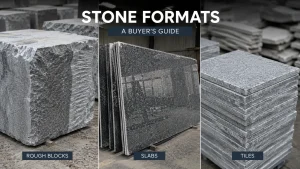
Understanding slab sizing is critical for interior designers and contractors planning material layouts. Gangsaw slabs are large-format slabs (often exceeding 300cm x 180cm) sliced directly from massive rough blocks using multi-blade saws. These are essential for hotel lobbies and large floor plans, as the large size minimizes visible grout lines and allows for continuous vein matching.
Cutter slabs, sometimes called vertical slabs, are smaller (typically 70cm to 90cm high) and are cut using circular blades. These are highly efficient and cost-effective for kitchen countertops, stair treads, and wall capping where large vertical formats are unnecessary.
Advanced Finishes and Surface Treatments
A stone’s finish dictates both its appearance and its slip resistance. While a high-gloss polish remains the standard for interior marble flooring and granite countertops, Indian processing lines offer extensive customization.
Honed finishes provide a matte, sophisticated look that softens the color and is highly requested for contemporary European villas. Leathered and brushed finishes add tactile texture, bringing out the natural grain of stones like Steel Grey or Tan Brown, making them ideal for outdoor kitchen islands and tactile feature walls. Flamed finishes involve exposing granite to high heat, creating a highly textured, non-slip surface mandatory for exterior paving and wet areas.
Furthermore, heavily veined materials undergo rigorous epoxy treatment. Automated resin lines apply high-grade epoxy under vacuum, penetrating the micro-fissures of the slab before the final polish. This ensures structural integrity and a flawless surface reflection upon installation.
Securing Consistency for Large-Scale Developments
The primary challenge in any large commercial development is consistency. Natural stone varies by nature, but professional procurement strategies mitigate this risk.
Block Reservation and Batch Matching
For projects requiring thousands of square meters of material, buying loose slabs is a mistake. Instead, contractors and distributors reserve Granite rough blocks or Marble Rough Blocks directly from the quarry.
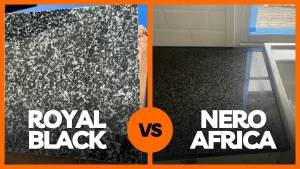
By purchasing a series of blocks extracted from the same quarry bench—such as sequential blocks of Imperial Red, G20 Bengal Black, or Royal Black M13—a supplier guarantees uniform color and grain density. When these blocks are sliced on the gangsaw, the resulting slabs can be book-matched (laid open like the pages of a book) or vein-matched for a continuous visual flow across an expansive hotel reception.
Sourcing and Logistics: From Factory to CIF
A reliable granite slab supplier understands container economics. Heavy, dense stones require careful weight distribution inside a standard 20-foot heavy-tested shipping container. Slabs are packed tightly into fumigated wooden A-frames compliant with ISPM-15 regulations, secured with C-clamps and lashing to prevent movement during ocean transit.
Export contracts are typically negotiated on FOB (Free on Board) or CIF (Cost, Insurance, and Freight) terms. Buyers should expect detailed packing lists, high-resolution photos of the bundled slabs, and comprehensive shipping documentation before a container ever leaves an Indian port.
Where Indian Marble and Granite Excel in Luxury Applications
Different climates, traffic levels, and lighting conditions dictate material selection. Here is how specific Indian stones are deployed across global project types.
Hospitality: Hotels, Resorts, and Lobbies
Luxury hospitality design relies on impact and durability. Lobbies endure constant rolling luggage and foot traffic. Indian marble varieties like Indian Statuario and Fantasy Brown are frequently specified for interior floors and reception desks. For high-traffic bathrooms and elevator surrounds, granite offers superior scratch resistance.
Commercial Facades and Public Infrastructure
Exterior stone cladding must withstand harsh environmental realities: freeze-thaw cycles in Eastern Europe, coastal salt in the Mediterranean, and intense UV exposure in the Middle East. Dense Indian granites—such as Steel Grey, Tan Brown, Paradiso Classic, and Bash Paradiso—are highly stable under thermal expansion. When installed using ventilated facade systems, these granites protect the building envelope while retaining their color for decades.
High-End Residences and Villas
Private residential projects often demand exotic, highly figured stones. Kitchen islands and bathroom vanities benefit from the dynamic movement of Colombo Juparana or Chima Pink. For expansive villa flooring, large-format gangsaw slabs of P White or Imperial White provide a clean, modern canvas.
Memorials and Monument Fabrication
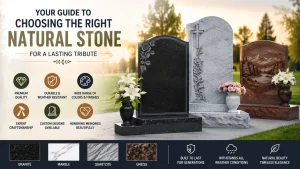
Monumental and memorial work requires stone with absolute structural integrity, capable of holding intricate engravings and a mirror polish against harsh weather. Absolute black granite monuments represent the pinnacle of this craft. Monument manufacturers demand defect-free blocks with a perfectly tight grain, often selecting specific beds of Absolute Black or other premium granite monuments to ensure a flawless finish.
Project Application Guide
| Project Application | Recommended Indian Stone | Recommended Finish | Key Considerations |
| Interior Lobby Flooring | Fantasy Brown, Indian Statuario | Polished or Honed | Requires large gangsaw slabs for continuous vein flow. |
| Exterior Facades | Steel Grey, Tan Brown, Imperial Red | Flamed or Honed | High density prevents moisture ingress during freeze-thaw cycles. |
| Luxury Countertops | Black Galaxy, Thunder White, Cats Eye | Polished or Leathered | Leathered finishes hide fingerprints and add tactile luxury. |
| Monument Fabrication | Absolute Black | High Polish | Requires premium block selection for zero-defect grain structure. |
| Outdoor Paving/Pools | Indian Aurora, Red Multi | Flamed | Slip resistance is mandatory; dense granite resists pool chemicals. |
Blending Domestic and Imported Material
A major advantage of partnering with a premier Indian stone supplier is the ability to consolidate global materials. Large-scale projects rarely rely on a single origin. An interior designer may specify Indian marble slabs for the primary flooring, but require a distinct exotic stone for a bar top.
Top-tier Indian exporters regularly import, process, and stock international blocks. This allows buyers to load a container with domestic materials like Vizag Blue or Hassan Green alongside imported inventory. A single shipment might include Volakas Marble from Greece, Verde Guatemala Marble, Nero Africa Impala Granite, or Volga Blue Granite.
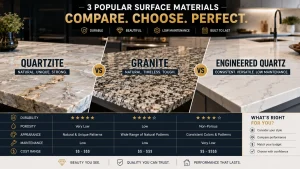
An exporter can also supply highly sought-after exotics like Cristallo Quartzite, Patagonia Quartzite, Amazonite Quartzite, or Jasper Red Quartzite. (Note: While Taj Mahal Quartzite is widely processed and supplied alongside these materials, it is an imported Brazilian quartzite trade name, not an Indian stone or connected to the historical monument). This single-source supply chain vastly simplifies procurement, allowing a buyer to source Via Lactea Granite, Titanium Black Granite, Ice White Marble, and Moca White Limestone on the same invoice as their Indian granite slabs.
A Buyer’s Checklist for International Stone Procurement
Before approving a container load for a luxury project, importers and specifiers should verify the following:
- Block Lineage: Are the slabs cut from the same block or sequential blocks to guarantee color matching?
- Thickness Tolerance: Do gangsaw slabs meet the standard +/- 1mm thickness tolerance required for seamless flooring installation?
- Resin and Epoxy Quality: Has heavily veined material been properly vacuum-resined to ensure long-term structural stability?
- Dry Lay Inspection: Has the supplier provided a dry lay inspection (laying out the slabs on the factory floor to verify pattern flow) prior to packing?
- Packaging Standards: Are the wooden bundles properly fumigated, stamped, and braced for heavy ocean freight?
Frequently Asked Questions (FAQ)
Indian granite performs exceptionally well in freeze-thaw cycles due to its naturally high density and low water absorption rate. Stones like Steel Grey and Absolute Black prevent moisture from penetrating the surface, meaning the stone will not crack when temperatures drop below freezing.
Gangsaw slabs are large-format pieces (often over 300cm wide) cut by massive multi-blade machines, whereas cutter slabs are smaller, vertical slabs cut by circular saws. Gangsaw slabs are ideal for large floor plans to minimize joints, while cutter slabs are cost-effective for countertops and stairs.
Purchasing rough blocks is highly recommended for large commercial projects to ensure absolute color and grain consistency. The blocks are then processed into slabs specifically for your project, guaranteeing the material matches perfectly across thousands of square meters.
Yes, leading Indian stone exporters process and stock a wide variety of imported blocks. This allows buyers to consolidate domestic stones like Black Galaxy with imported materials like Emerald Pearl Granite, Lady Onyx, or Toronto Brown Marble in a single shipment.
Slabs are packed securely in fumigated, heavy-duty wooden A-frames or bundles. These bundles are then loaded into heavy-tested 20-foot shipping containers and braced tightly with wood and metal C-clamps to prevent any shifting during ocean transit.
Yes, like all natural stone, Indian marble requires a high-quality penetrating sealer before and after installation. Proper sealing protects the stone’s surface from moisture, oils, and potential staining, particularly in wet areas or luxury bathrooms.
Partner with an Expert for Your Next Project
Selecting the right natural stone for a luxury project requires more than just picking a color from a catalog. It requires a deep understanding of block yield, gangsaw processing, finish techniques, and export logistics. From sourcing sequential blocks of Granite Rough Blocks to delivering expertly polished marble for a flagship retail store, Indian marble and granite provide the durability and aesthetic depth that global architecture demands.
If you are specifying stone for an upcoming commercial development, hotel, or residential project, precise planning starts at the quarry. Request current slab photos, inquire about block reservations, or share your architectural drawings with our team today for a comprehensive material consultation and quotation.