




A small natural stone sample can help an architect choose a colour, finish and general appearance. However, it cannot show exactly what an entire shipment of stone slabs will look like. The difference becomes especially important when natural stone is specified for large commercial buildings, hotels, residential developments, office interiors, retail spaces and other projects requiring substantial quantities of the same material.
A stone may look consistent in a sample presentation, yet the actual slabs can show noticeable differences in background colour, mineral patterns, veins, grain structure and natural markings. These differences are not necessarily signs of poor quality. They are part of the material’s natural character. The challenge is making sure that the range of variation supplied matches what the project team has approved.
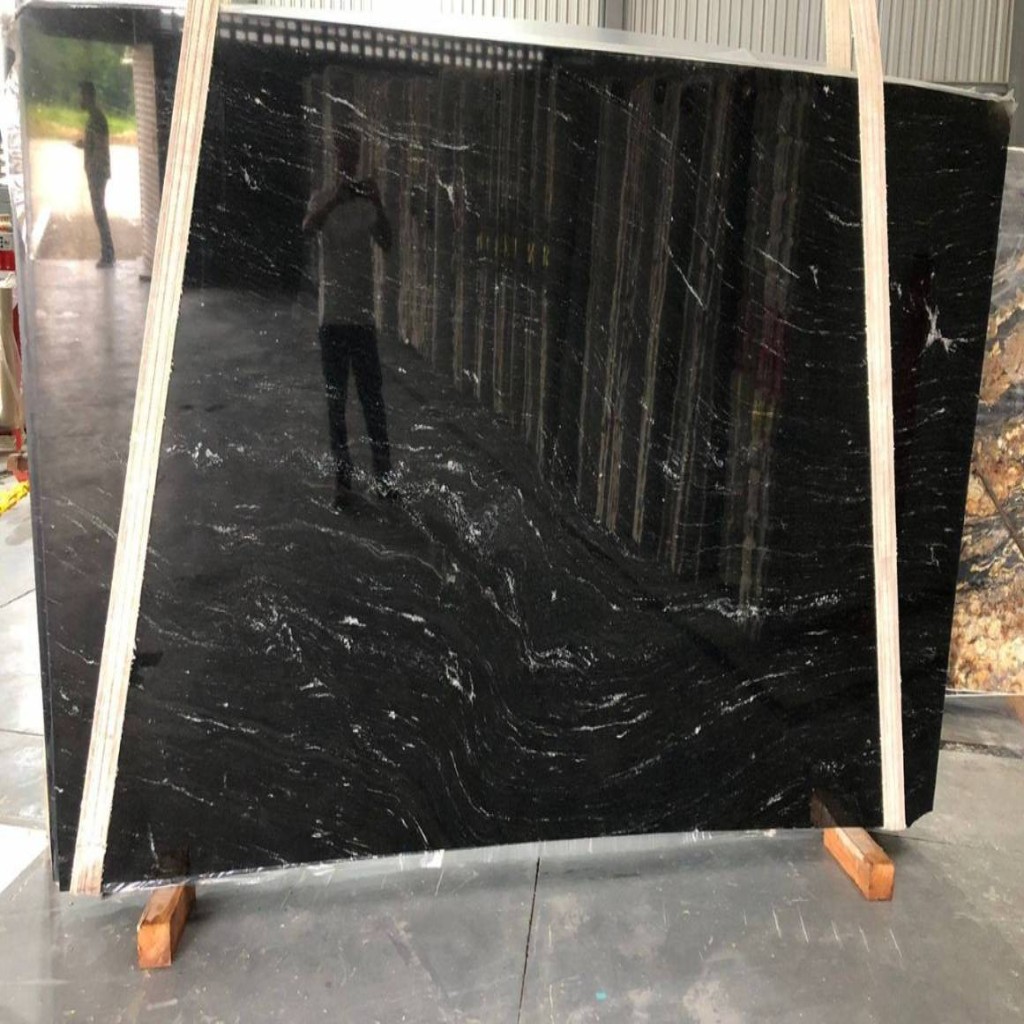
This is why approving the actual natural stone slab batch before production is an important part of project procurement and quality control. It allows buyers, architects, designers, contractors and stone fabricators to review the material that will actually be used, rather than relying entirely on a small reference sample.
For large projects, this decision affects more than appearance. It can influence slab distribution, cutting plans, material wastage, installation sequence, replacement requirements, procurement costs and the final visual consistency of the completed space.
Why a Small Natural Stone Sample Is Not Enough
Natural stone is extracted from the earth and processed into blocks, slabs and finished pieces. It is not manufactured through a process designed to reproduce exactly the same colour and pattern in every unit.
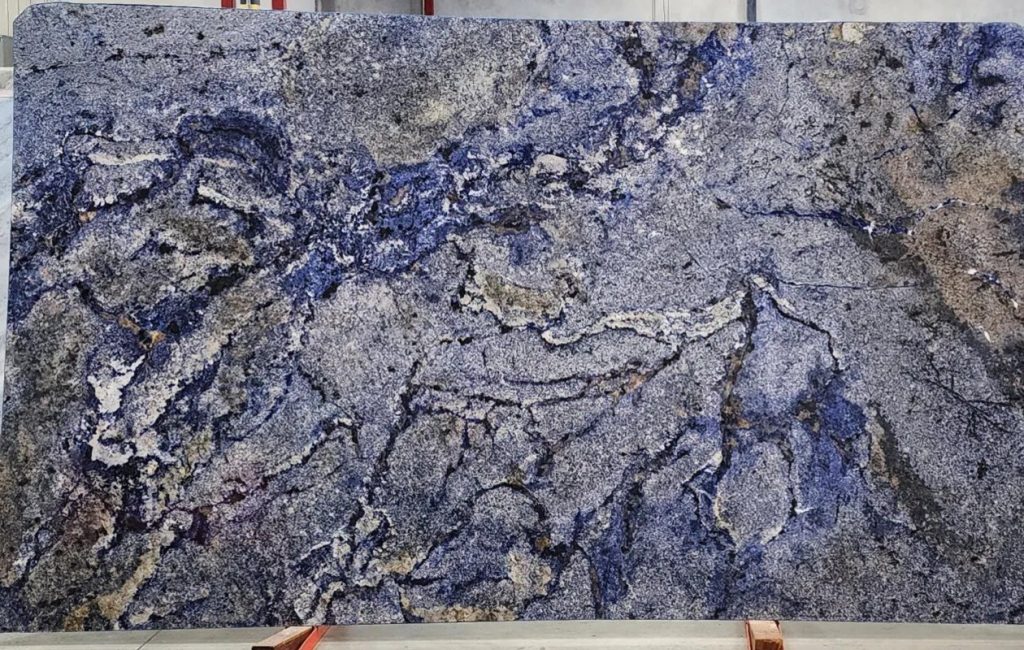
Even when slabs come from the same commercial stone variety, their appearance can differ. Two slabs may share the same general background colour but have different vein movements, mineral concentrations or patterns. Slabs from separate quarry blocks can show an even wider range of natural characteristics.
The Natural Stone Institute explains that each stone block and each slab is different. It also makes clear that variation from an approved sample should be expected unless the selection has been made on an actual slab.
This explains one of the most common problems in large natural stone projects.
A buyer approves a small sample of light-coloured marble. The sample has a balanced background, soft grey veins and limited darker markings. When the actual material arrives, some slabs have stronger grey movement, others contain more visible mineral patterns, and a few show a warmer background tone.
The supplied material may still be the correct marble. However, the overall appearance might not match the visual expectation created by the original sample.
A small sample is useful for selecting the stone variety and finish. It is not enough to establish the acceptable appearance of a complete project supply.
Actual slab batch approval closes this gap by allowing the project team to examine the real material before it is cut, fabricated or dispatched.
What Does Approving the Actual Slab Batch Mean?
Actual natural stone slab batch approval means inspecting and accepting the specific group of slabs allocated to a project before they move into the next stage of production or delivery.
The term batch or lot should be clearly defined between the buyer and supplier. It may refer to slabs taken from one or more quarry blocks, a particular quarry bed, an identified stock selection or a reserved production lot.
The important point is that the buyer knows which material is being approved.
The approval process should normally include:
- Confirmation of the actual stone variety and quarry source.
- Inspection of the allocated slabs.
- Review of colour, veins, texture and natural characteristics.
- Verification of the surface finish and processing condition.
- Identification of individual slabs through numbers or reference codes.
- Photographic documentation of the approved material.
- Agreement on acceptable natural variations.
- Confirmation of the quantity reserved for the project.
The approval does not mean that every slab must look identical. It means that the full range of appearance is understood and accepted before the material is processed.
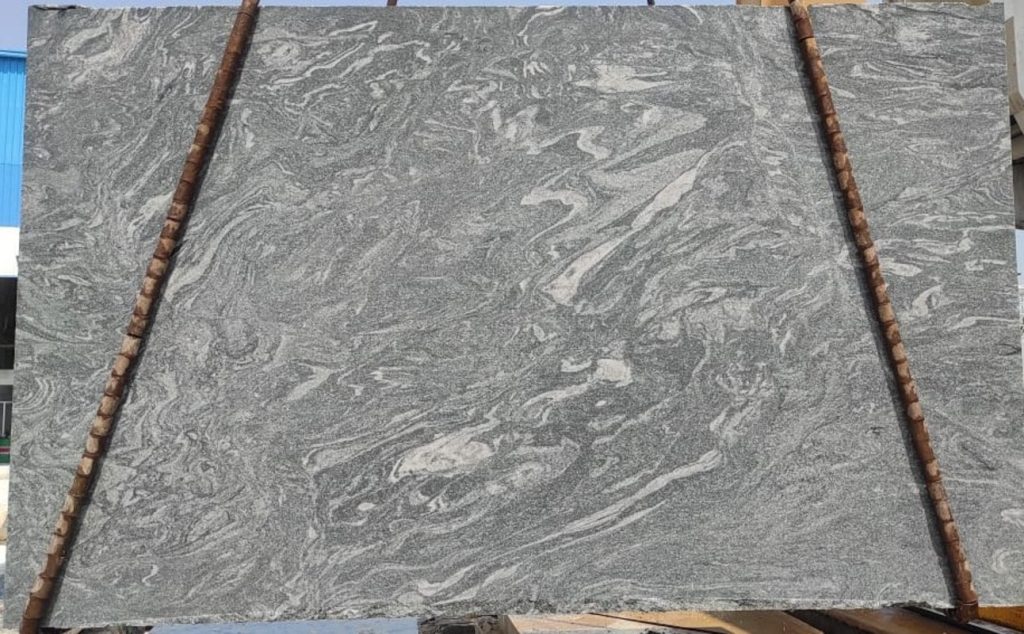
For example, a project using River White Granite, Italian Marble or a highly veined Quartzite may need several slabs to cover floors, walls, reception counters or other architectural elements. The team should examine the complete available selection to understand how the slabs relate to one another.
This is particularly important when a single project requires stone from different blocks or quarry beds. A familiar commercial stone name does not always identify one consistent geological source. The Natural Stone Institute recommends documenting the actual stone name, quarry, origin and other source information when submitting material for approval.
1. Maintaining Colour Consistency Across Large Areas
Colour consistency is one of the main reasons to approve the actual natural stone slab batch.
In a small sample, the background colour may appear balanced and uniform. Across several hundred square metres, even moderate differences become more noticeable.
Natural stone can show variations in:
- Background shade and overall colour tone.
- Light and dark mineral concentrations.
- Grain size and distribution.
- Vein density and direction.
- Natural spots, patches and markings.
- Areas of contrasting colour.
- Crystalline structures and other geological features.
These characteristics may vary between individual slabs without making the stone unsuitable.
The problem arises when the differences exceed the appearance accepted by the project team.
Consider a hotel lobby where the same marble is specified for flooring, wall panels and reception cladding. If the floor contains mostly light-toned slabs while the adjoining wall has much darker material, the visual transition may look unplanned.
Similarly, a residential development using the same granite across multiple common areas may appear inconsistent when slabs from different selections are mixed without checking their colour range.
Reviewing the actual batch helps the buyer understand how much variation exists and whether the available stock can create the intended appearance.
It also allows the fabricator to distribute the slabs more carefully rather than selecting pieces at random during cutting.
2. Understanding Vein Patterns and Natural Movement
Colour is only one part of natural stone appearance. Vein movement can have an equally strong effect on the finished design.
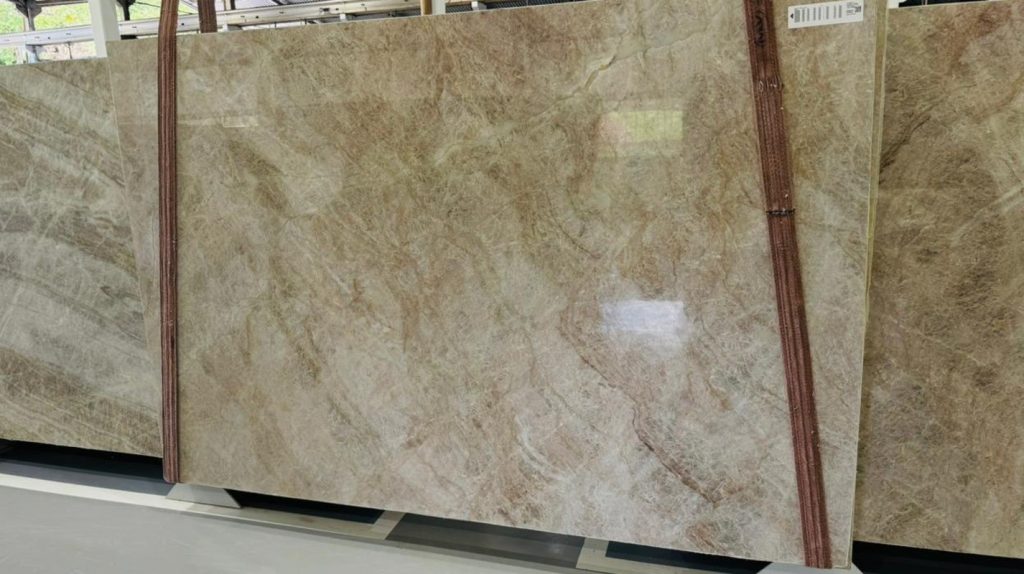
Marble, quartzite, onyx and some other decorative stones are selected specifically for their veins, flowing patterns and contrasting mineral formations.
A small sample might show an attractive vein running through the centre. However, the same pattern may become more prominent, change direction or divide into several branches across a full slab.
This matters when the stone is intended for:
- Feature walls.
- Large flooring areas.
- Reception desks.
- Staircases.
- Countertops and worktops.
- Lift surrounds.
- Bookmatched wall panels.
- Decorative architectural installations.
For example, a bookmatched marble wall depends on the relationship between two adjoining slab faces. If the actual slabs are not selected and checked together, the resulting pattern may not create the intended mirrored appearance.
The same applies to vein-matched installations. The fabricator needs to understand the movement across the complete slabs before preparing cutting layouts.
For matched stonework, the Natural Stone Institute recommends preparing matched sample sets that demonstrate the proposed veining, movement, texture and variation.
Approving the actual slabs makes this process more reliable because the fabricator can plan the cuts around the real vein structure.
3. Preventing Unexpected Differences Between Deliveries
Large natural stone projects do not always receive all their material in one delivery.
A development may require several shipments because of its size, construction schedule, phased installation or procurement arrangements.
This creates an important supply consideration.
The first shipment may contain slabs selected from a particular quarry block or stock group. A later shipment may come from another block or bed, even when the commercial stone name remains the same.
The appearance may therefore change.
This can become a problem when stone is installed in connected areas or when new material needs to be added beside work that has already been completed.
For example, a contractor may finish the main flooring area before ordering additional material for the entrance or adjoining corridor. The replacement slabs may have a different background shade or stronger markings.
The result can be a visible difference between connected surfaces.
Approving the actual batch helps identify this risk before the project depends on the material. Buyers should also confirm whether the entire required quantity is available and reserved.
For projects with future replacement requirements, keeping additional slabs from the approved selection can be useful. The required reserve quantity depends on the project design, cutting waste, expected damage and future maintenance needs.
The Natural Stone Institute specifically advises securing material availability during large-project sample and slab selection.
This is particularly valuable for projects using distinctive or highly variable stone varieties that may be difficult to match after several months.
4. Making Better Fabrication and Cutting Decisions
Slab approval is not only an aesthetic decision. It also has a direct connection to fabrication planning.
A fabricator cannot prepare an accurate cutting plan without understanding the actual dimensions, patterns and usable areas of the selected slabs.
A slab may look attractive when viewed as a whole but contain natural fissures, filled areas or other characteristics that need consideration before cutting.
The position of these features matters.
A natural vein passing through the centre of a slab may be desirable for a feature panel. The same vein might be unsuitable in a narrow countertop section if the required cut would leave a weak or difficult edge.
Similarly, a slab with a strong pattern may need careful positioning to make the most of its appearance.
Reviewing the batch before fabrication helps the production team identify:
- Usable cutting areas: The fabricator can assess which sections are appropriate for different components.
- Natural characteristics: Visible fissures, open features, mineral patches and filled areas can be reviewed before they affect the cutting plan.
- Vein direction: The direction of movement can guide the arrangement of adjoining pieces.
- Slab dimensions: Available length, width and thickness can be checked against the project drawings.
- Material yield: Better planning can reduce unnecessary offcuts and avoidable wastage.
These checks are particularly important when large slabs are required for wall cladding, long counters, stair treads and other components where the finished dimensions leave limited room for changes.
Actual batch approval gives the fabricator a more accurate starting point for preparing cutting layouts and shop drawings.
It also reduces the chance of discovering an appearance-related problem after expensive fabrication work has already started.
5. Agreeing on Acceptable Natural Characteristics
One of the most important parts of slab batch approval is deciding which natural characteristics are acceptable for the project.
Natural stone can contain variations that would be considered unusual in manufactured materials. Mineral deposits, colour changes, veins, shell content, grains and natural markings contribute to its appearance.
These features should not automatically be classified as defects.
However, not every natural feature is suitable for every application.
For example, a visible vein may be acceptable on a decorative wall but require further assessment if it crosses a critical cutting area. A natural open feature may be acceptable in one type of finished installation but unsuitable for a particular exposed surface.
The project team should distinguish between:
- Accepted geological characteristics: Features that are part of the approved natural appearance of the stone.
- Appearance-related concerns: Differences in colour, pattern or marking that exceed the approved project range.
- Technical concerns: Characteristics that may affect cutting, strength, finishing, installation or long-term performance.
Stone Federation Great Britain recommends defining the number, size and concentration of natural features that are acceptable. It also explains that characteristics included in approved control samples should normally be treated as part of the expected production range, unless their concentration becomes excessive and changes the typical appearance of the material.
This approach prevents two common problems.
First, it avoids rejecting acceptable natural stone simply because it does not look exactly like a small sample.
Second, it gives the supplier and fabricator a clear reference when material falls outside the agreed range.
The goal is not to remove natural variation. It is to establish the variation that the project is prepared to accept.
6. Allowing Proper Inspection Before Production
Slab batch inspection should happen before the material enters major fabrication work.
Once slabs have been cut into smaller pieces, it becomes harder to understand the complete original pattern. Some sections may already have been assigned to specific rooms, floors or wall locations.
A practical inspection should cover the following points.
| Inspection area | What to check |
|---|---|
| Stone identity | Commercial name, geological type and quarry source |
| Colour | Background tone and light or dark variations |
| Veining | Direction, density, movement and distribution |
| Texture | Grain structure, mineral patterns and natural markings |
| Surface finish | Polished, honed, leathered, brushed or other specified finish |
| Dimensions | Slab length, width and thickness |
| Natural features | Fissures, holes, patches and filled areas |
| Processing | Resin treatment, mesh backing and other declared treatments |
| Quantity | Number of available and reserved slabs |
| Identification | Slab numbers, batch details and photographs |
Inspection should take place under suitable lighting.
A slab viewed under strong artificial lighting may appear different from the same slab under natural daylight. The surroundings, viewing angle and orientation also affect how its colour and surface movement are perceived.
The Natural Stone Institute recommends natural light for viewing samples, with the viewing position around 2 metres from the surface. Stone Federation Great Britain also recommends assessing samples under lighting conditions appropriate to the intended application.
For internal projects, comparing the stone under lighting similar to the final installation can provide a more useful understanding of its appearance.
For external projects, natural daylight is particularly important.
Where the material has strong movement or the project requires close visual consistency, reviewing full slabs laid out together is more useful than inspecting individual slab photographs.
7. Using Factory Pre-Lay and Site Mock-Ups
For projects where visual consistency is important, slab inspection can be supported by factory pre-laying and site mock-ups.
These methods help the project team see how the selected stone will look when several pieces are arranged together.
Factory pre-lay
During factory pre-laying, selected slabs or cut pieces are arranged according to the proposed installation layout.
This makes it possible to review colour distribution, vein movement, adjoining pieces and the overall appearance before the material is packed.
The supplier and fabricator can also mark individual pieces and identify their intended installation positions.
For example, a group of marble slabs intended for a hotel reception wall can be arranged in the proposed sequence. The project team can then review the transitions between panels and suggest adjustments before the pieces are packed.
Site mock-up
A site mock-up is a sample installation prepared using the specified stone, finishing materials and installation methods.
Unlike a small loose sample, it provides a better indication of the finished surface, including joints, grout, cleaning and the appearance of adjoining pieces.
The mock-up can be retained as a reference for checking the completed work.
Dry laying at the project site
Where appropriate, selected pieces can also be laid out at the installation location before fixing.
This helps assess the material under actual site lighting and surrounding conditions.
Singapore’s Building and Construction Authority identifies site mock-ups, factory pre-laying and site dry-laying as methods for confirming stone selection where consistent colours and patterns are required. It also recommends written approval of the completed mock-up before the main stonework begins.
The choice between these procedures should depend on the stone, project size, installation method and risk of damage from repeated handling.
8. Keeping a Clear Record of the Approved Slabs
Visual inspection is useful, but it needs proper documentation.
Without an approval record, it can become difficult to establish which slabs were accepted and whether the delivered material matches the approved selection.
A reliable approval record should include:
- Project and purchase order reference.
- Exact stone name and quarry origin, where known.
- Batch or lot identification.
- Individual slab numbers.
- Full-slab photographs.
- Surface finish and thickness.
- Declared resin, filler or mesh treatments, where applicable.
- Approved natural variation range.
- Notes on any accepted exceptions.
- Cutting and installation sequence, where required.
- Written approval from the authorised project representative.
The supplier, buyer, architect and fabricator should retain the relevant approval information.
Photographs should show the complete slab rather than only selected attractive sections. The slab identification should also be visible so that the photographs can be matched to the actual stock.
The Natural Stone Institute recommends retaining control samples with the project parties and requesting supporting information, including quarry details and photographs showing the range of the material.
This record becomes particularly important when deliveries arrive in stages or when replacement material needs to be ordered.
It provides a reference for checking whether a later supply belongs to the approved selection.
9. Why Visual Batch Approval Must Be Separate From Technical Quality Approval
A slab may be visually attractive and still require further technical checks before it is used.
Visual approval and technical suitability are two separate parts of natural stone procurement.
Batch approval mainly addresses appearance, selection and material allocation. Technical assessment addresses whether the stone is suitable for its intended use.
Depending on the application, the project team may need to review:
- Water absorption.
- Density.
- Compressive strength.
- Flexural strength.
- Modulus of rupture.
- Abrasion resistance.
- Other application-specific performance characteristics.
The required tests depend on the stone type, installation conditions and project specification.
For example, marble used for building applications can be assessed against ASTM C503/C503M-23, which covers material characteristics, physical requirements and sampling for marble dimension stone. Other stone varieties require their corresponding applicable standards and project requirements.
The Natural Stone Institute also cautions that historical test information may only be indicative for larger projects. New testing of stone from the specific quarry intended for use may be necessary.
Approving the appearance of a slab batch should therefore never replace the required technical documentation and testing.
Both approvals are necessary when the project specification requires them.
What Buyers Should Confirm With the Natural Stone Supplier Before Approval
Before placing a large order or releasing material for fabrication, buyers should discuss a few practical points with the supplier.
Is the full project quantity available?
Confirm that the selected stock can cover the required quantity, including reasonable allowances for cutting waste and replacement pieces.
Does the selection come from the same quarry and bed?
Ask whether the slabs come from one quarry source, multiple beds or separate production selections. This helps explain possible differences in natural appearance.
Can the actual slabs be inspected before dispatch?
Request full-slab photographs, live video inspection or a physical inspection at the stockyard or factory.
Are the slabs individually identified?
Each approved slab should have a reference number that can be linked to the inspection record.
Will the approved material be reserved?
Confirm how the supplier will prevent unapproved substitutions or mixing with different stock.
Can the required extra material be secured?
Discuss additional slabs for future repairs, replacements and any changes in project quantities.
What happens if a delivered slab falls outside the approved range?
Agree on the inspection and rejection procedure before the material is shipped. The contract should distinguish between acceptable natural variation and a genuine discrepancy from the approved selection.
These discussions make procurement expectations clearer for everyone involved.
When Is Actual Slab Batch Approval Most Important?
Although slab inspection is useful for almost every natural stone project, it becomes especially important in certain situations.
| Project type | Why batch approval matters |
|---|---|
| Hotel and resort interiors | Large connected areas need a balanced colour distribution |
| Commercial building lobbies | Highly visible surfaces make differences in tone and pattern easier to notice |
| Large residential developments | Multiple units may require similar stone appearances |
| Marble feature walls | Vein direction and slab matching affect the finished design |
| Natural quartzite installations | Strong colour movement and mineral patterns require careful selection |
| Large flooring projects | Random mixing can create unwanted patches and uneven colour distribution |
| Exterior stone cladding | Panel selection, appearance and technical suitability must be considered together |
| Phased construction projects | Later deliveries need to remain within the approved material range |
For relatively uniform stones with low natural variation, a full pre-lay may not always be necessary. The inspection method should reflect the material and the visual requirements of the project.
The important point is to decide the required level of approval before finalising the procurement schedule.
What Happens When the Actual Slab Batch Is Not Approved?
Skipping actual slab approval can create problems that are difficult to correct once the material reaches the project site.
A few of the most common risks include:
- Unexpected colour differences: The installed stone may look noticeably different from the approved reference sample.
- Poor visual distribution: Strong or contrasting slabs may be placed together without a planned sequence.
- Fabrication changes: Cutting plans may need to be revised after the actual vein movements or natural features become visible.
- Material wastage: Pieces may need to be rejected or recut because the actual selection does not suit the intended layout.
- Delayed installation: Replacement material may need to be sourced, inspected and transported.
- Disputes over rejection: Buyers and suppliers may disagree about whether a particular characteristic is normal for the stone or falls outside the expected range.
Stone Federation Great Britain notes that rejecting geological characteristics normally present in the approved range can lead to additional costs, longer procurement and increased material wastage.
These problems are particularly difficult to manage when the project has fixed installation dates or depends on a limited supply of a distinctive natural stone.
Checking the actual batch before fabrication gives the project team an opportunity to resolve these matters while changes are still manageable.
Final Thoughts
Approving the actual natural stone slab batch is an important quality control decision for large projects. It connects the original material selection with the stone that will eventually be fabricated and installed.
A small sample can establish the preferred stone variety, colour family and surface finish. However, it cannot represent the complete range of natural characteristics found across a large quantity of slabs.
By inspecting the actual stock, buyers can understand the available colour range, review vein movement, identify natural features, plan fabrication and confirm that the reserved material meets the project’s visual expectations.
The same process also improves communication between the supplier, architect, contractor and fabricator. Everyone works from the same approved reference instead of relying on different interpretations of a small sample.
Natural stone will always have variations. That is part of what makes it different from manufactured surfaces. The purpose of batch approval is not to eliminate those variations, but to understand them, agree on what is acceptable and make sure the selected material is suitable for the complete project.
For large natural stone installations, this decision is best made before fabrication begins, not after the slabs have been delivered and installed.
Frequently Asked Questions
Inspecting the actual slabs helps buyers understand the real colour range, vein patterns, natural markings and surface characteristics of the available material. It also helps confirm that the reserved stock is suitable for the project’s design and quantity requirements.
No. A small sample shows the general appearance of a stone but cannot represent every variation across a large quantity. Actual slab batch approval involves inspecting the specific material allocated to the project before fabrication or dispatch.
Yes. Natural variations can occur between quarry beds, blocks and individual slabs. Differences in mineral composition, geological formation and natural patterning can affect the final appearance. The extent of variation depends on the particular stone.
Buyers should request the stone identification, quarry information where available, individual slab numbers, full-slab photographs, finish and thickness details, relevant technical test reports and a written record of the approved variation range.
Using the same approved selection can help maintain visual consistency, particularly across connected surfaces. Where the project requires staged deliveries or future replacements, additional material should ideally be reserved from the approved selection.
No. The need depends on the stone’s natural variation, project size and design requirements. It is particularly useful for highly veined materials, bookmatched surfaces, large feature walls and projects where consistent colour distribution is important.

Leave a Reply