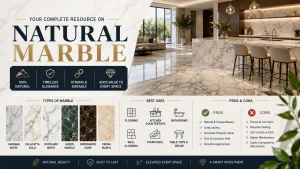

Choosing the right surface material often comes down to a debate between quarried stone and manufactured alternatives. Specifiers, contractors, and homeowners constantly weigh upfront costs against long-term performance. Yet, despite rapid advancements in synthetic manufacturing, natural materials remain the standard for high-end construction and design.
The core benefits of natural stone in architecture and interiors come down to how the material ages and performs in real-world conditions. Manufactured materials try to mimic the look of quarried stone, but they cannot replicate its structural density, heat tolerance, or authentic visual depth. When you specify dimension stone for a project, you are installing a material forged over millions of years.
Understanding why natural stone consistently outperforms engineered alternatives requires looking past the surface. From freeze-thaw resistance in exterior facades to the unique character it brings to a kitchen island, quaried rock offers tangible advantages. Here are the top five reasons architects, developers, and designers continue to choose natural stone.
1. Unmatched Visual Character and Natural Uniqueness
The primary reason interior designers advocate for natural stone is its absolute visual originality. Manufactured materials rely on printed patterns that inevitably repeat across large installations. In contrast, no two blocks pulled from a quarry are ever identical.
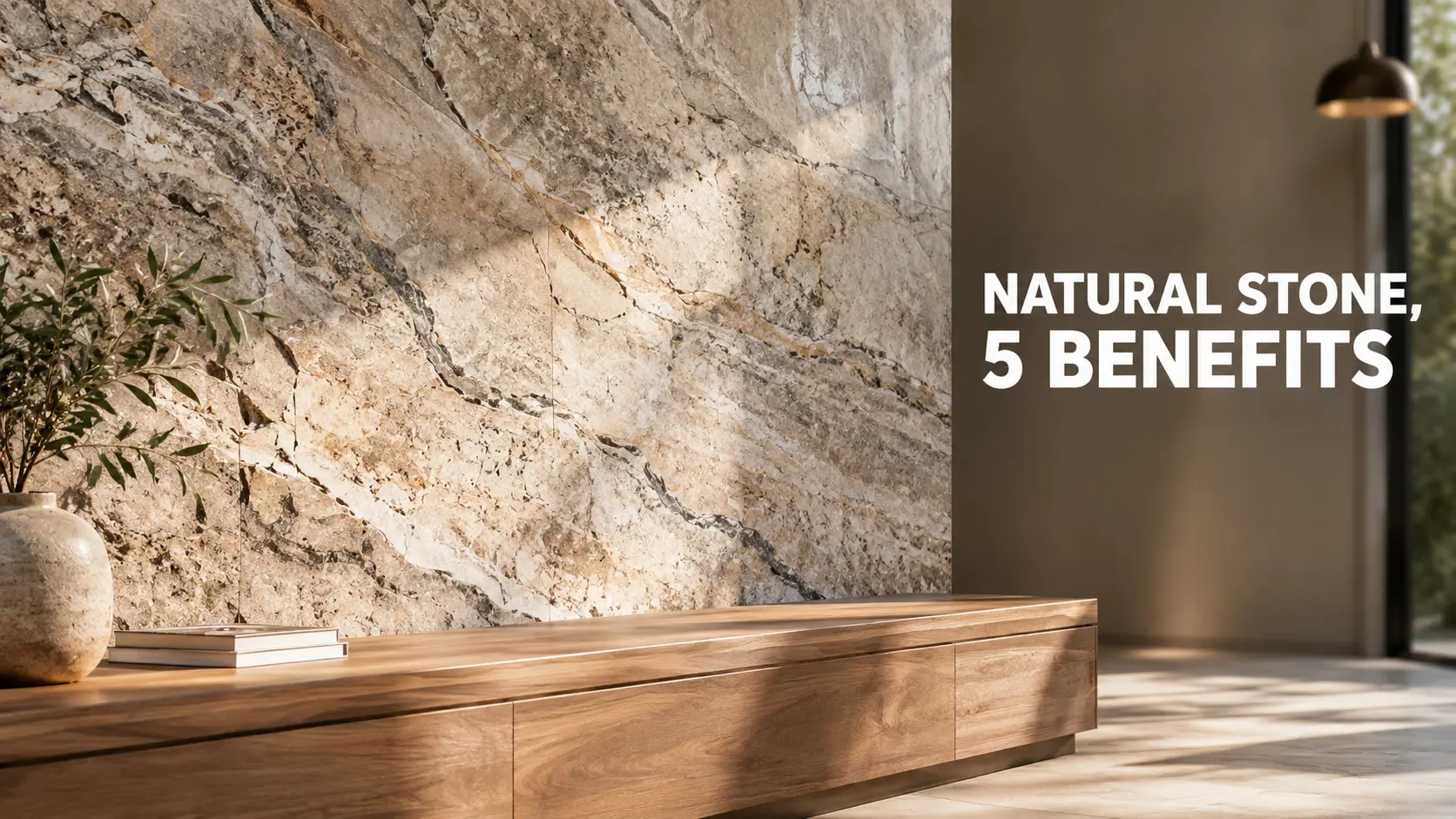
This inherent variation gives built spaces an organic, grounded character that feels intentional rather than mass-produced. The veining, mineral deposits, and grain structure tell a geological story that artificial alternatives simply cannot duplicate. When properly selected, these natural variations become the defining architectural feature of a room.
Feature Walls and Interior Cladding
For large-scale vertical applications, the uniqueness of stone becomes a structural canvas. An Imported Marble Slab like Volakas provides sweeping, continuous veining that designers often book-match across feature walls for dramatic effect. The subtle grey banding draws the eye upward, making spaces feel taller and more expansive.
For projects requiring high-impact visual elements, materials like Himalayan Onyx offer light-transmitting properties. Designers frequently use backlit onyx for commercial lobby reception desks or residential bar fronts. Because the mineral density shifts naturally throughout the slab, the way it diffuses light creates a deep, glowing warmth that manufactured plastics and resins fail to replicate.
2. Exceptional Durability and Long-Term Performance
Architects and developers evaluate building materials on their lifecycle, not just their installation day appearance. The durability of natural stone is proven by centuries of historic architecture. When matched correctly to its environment, stone requires fewer replacements and repairs than synthetic cladding or laminate flooring over the lifespan of a building.
Different geological compositions yield different strengths. While softer stones require careful placement indoors, harder igneous and metamorphic rocks handle heavy structural demands with ease. They resist abrasion, tolerate high point loads, and maintain their structural integrity across decades of heavy daily use.
Exterior Facades and Commercial Lobbies
Exterior applications demand materials that can survive harsh weather cycles. A dense granite like Absolute Black or Steel Grey provides incredible weather resistance for ventilated facades. In colder European and North American climates, dense granites resist freeze-thaw cycles because their low porosity prevents water from penetrating and expanding within the rock.
In the Middle East and North Africa, UV stability is the overriding concern for exteriors. Resins used in engineered stones often yellow or degrade under intense, prolonged sunlight. Natural granite and limestone are naturally UV stable, meaning a facade will maintain its original color indefinitely. For interior commercial spaces, high-traffic flooring demands hard-wearing materials. Black Galaxy granite handles the constant foot traffic and rolling loads of hotel lobbies without showing the wear patterns typical of poured synthetic floors.
3. Unrivaled Design Versatility Across Applications
One of the greatest benefits of natural stone is its physical workability. Because it is a solid, through-body material, fabricators can shape, cut, and finish it to suit highly specific design requirements. A single type of stone can be processed in multiple ways to serve different functions within the same building.
The surface finish alters both the aesthetic and the practical behavior of the material. A highly polished finish highlights a stone’s deep color and is ideal for sanitary environments. A honed finish offers a soft, matte look that hides daily smudges better. Flamed or brushed finishes create surface texture, significantly improving slip resistance for wet areas or exterior paving.
Kitchen Countertops and Bathroom Vanities
Kitchens demand surfaces that can handle sharp impacts, heat, and acidic spills. This is where a Quartzite Slab truly excels. Materials like Taj Mahal or Cristallo offer the elegant, sweeping veining typically associated with marble, but possess a hardness that rivals or exceeds granite. They handle hot pans and heavy chopping blocks without the risk of resin scorching, which is a known vulnerability of quartz alternatives.
For bathroom vanities and shower surrounds, designers often turn to Indian Statuario marble. When honed, it provides a bright, clean aesthetic that feels highly organic. Because natural stone is a through-body material, fabricators can carve integrated sinks, cut custom drain runnels, and polish exposed edges perfectly, a process that reveals the unappealing resin core on many artificial alternatives.
4. Timeless Design Value That Suits Multiple Styles
Trends in architecture and interior design shift rapidly, often rendering highly stylized materials dated within a decade. Natural stone bypasses the trend cycle. It has been used continuously throughout human history, meaning it belongs as naturally in a centuries-old restoration as it does in a contemporary minimalist build.
The ability to bridge traditional and modern aesthetics makes stone a safe, long-term specification. A honed limestone floor grounds a rustic farmhouse kitchen just as effectively as it softens a sharp, glass-heavy modern atrium.
Monuments, Memorials, and Interior Styling
The permanence of stone makes it the default choice for Monuments and memorial work, where longevity is the entire point of the structure. Materials like Kashmir White or Tan Brown granite offer a dignified, enduring presence that withstands decades of elemental exposure without losing its carved legibility.
Indoors, this same timelessness applies to residential design. An Indian Granite Slab or Indian marble can dictate the tone of a room. Spider Green marble, with its intricate web-like veining, serves as an incredible anchor for contemporary spaces when used as a monolithic floor. Conversely, classic applications like Marble Mosaic Tiles provide smaller-format texture for traditional bathroom layouts, proving that quarried stone scales perfectly from massive architectural facades down to delicate interior details.
5. Tangible Value Addition to Properties and Projects
For developers and homeowners, material selection is heavily influenced by return on investment. Natural stone value addition is a recognized factor in real estate appraisal. Properties featuring genuine quarried stone command higher lease rates and better resale values than those finished with laminate, porcelain, or poured synthetic materials.
Buyers and tenants recognize the difference. The acoustic thud of a solid stone floor, the cool touch of a marble countertop, and the solid mass of stone cladding signal high construction quality. It tells the buyer that the builder did not cut corners.
Flooring, Staircases, and Retail Interiors
In high-end retail and residential projects, the entryway sets the property’s baseline value. Sweeping interior flooring and custom staircases clad in Fantasy Brown marble immediately establish an atmosphere of permanence.
Unlike carpets or manufactured floorboards that require replacing every ten to fifteen years, natural stone flooring is a lifetime installation. In high-humidity climates like Southeast Asia, stone floors also remain cool underfoot and do not warp or harbor moisture like engineered woods. Contractors favor it for luxury builds because, despite the heavier initial labor, the long-term payoff in property valuation and zero replacement cost easily justifies the investment.
Natural Stone vs Artificial Stone: A Practical Comparison
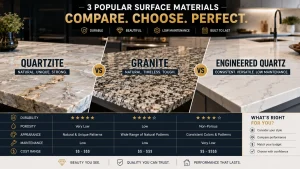
When deciding between a natural stone and an Artificial Stone Slab or Quartz Slab, the choice comes down to how the material handles real-world stress.
Heat Tolerance: Natural granites and quartzites can withstand direct contact with hot cookware. Engineered quartz contains polymer resins that can scorch or melt when exposed to high heat.
UV Resistance: Natural stone is impervious to sunlight fading. Artificial stones and resins will yellow and degrade under direct UV exposure, making them unsuitable for outdoor kitchens or facades.
Visual Depth: Quarried stone has optical depth and three-dimensional crystal structures. Manufactured slabs rely on surface-printed patterns that repeat, leading to a flatter, more synthetic appearance.
Maintenance: Artificial slabs are generally non-porous and do not require sealing. Natural stone requires periodic sealing to manage porosity, but it can also be physically restored, repolished, and repaired in place if scratched—something impossible to do seamlessly with printed artificial surfaces.
Frequently Asked Questions (FAQs)
No, modern penetrating sealers make maintaining natural stone highly manageable. Most residential countertops and floors only require a quick resealing application every one to three years, alongside basic daily cleaning with pH-neutral soap.
Yes, marble is frequently used in kitchens, provided you accept its natural aging process. Marble will etch when exposed to acids like lemon juice or wine, creating a softer, worn patina over time that many European designers actually prefer.
Climate dictates which specific stone you should specify for an exterior. Dense, low-porosity granites are required in freezing climates to prevent ice expansion damage, while UV-stable limestones and granites are ideal for hot, sun-drenched regions.
Yes, appraisers and homebuyers consistently value genuine natural stone over manufactured alternatives. It signals premium construction quality and durability, directly increasing the market appeal and final valuation of a property.
Conclusion
The benefits of natural stone in architecture and interiors extend far beyond its initial visual impact. It is a structural asset that provides exceptional durability, design versatility, and significant value addition to any property. While engineered materials offer predictability, they simply cannot replicate the heat resistance, UV stability, and authentic geological character of a genuine slab. Whether you are cladding a commercial high-rise in granite or installing a quartzite kitchen island, choosing quarried stone ensures your project will age with grace and structural integrity.
Ready to see how natural stone can elevate your next project? Browse our full inventory to request a slab sample, or contact our team to discuss the best material specifications for your specific architectural needs.