


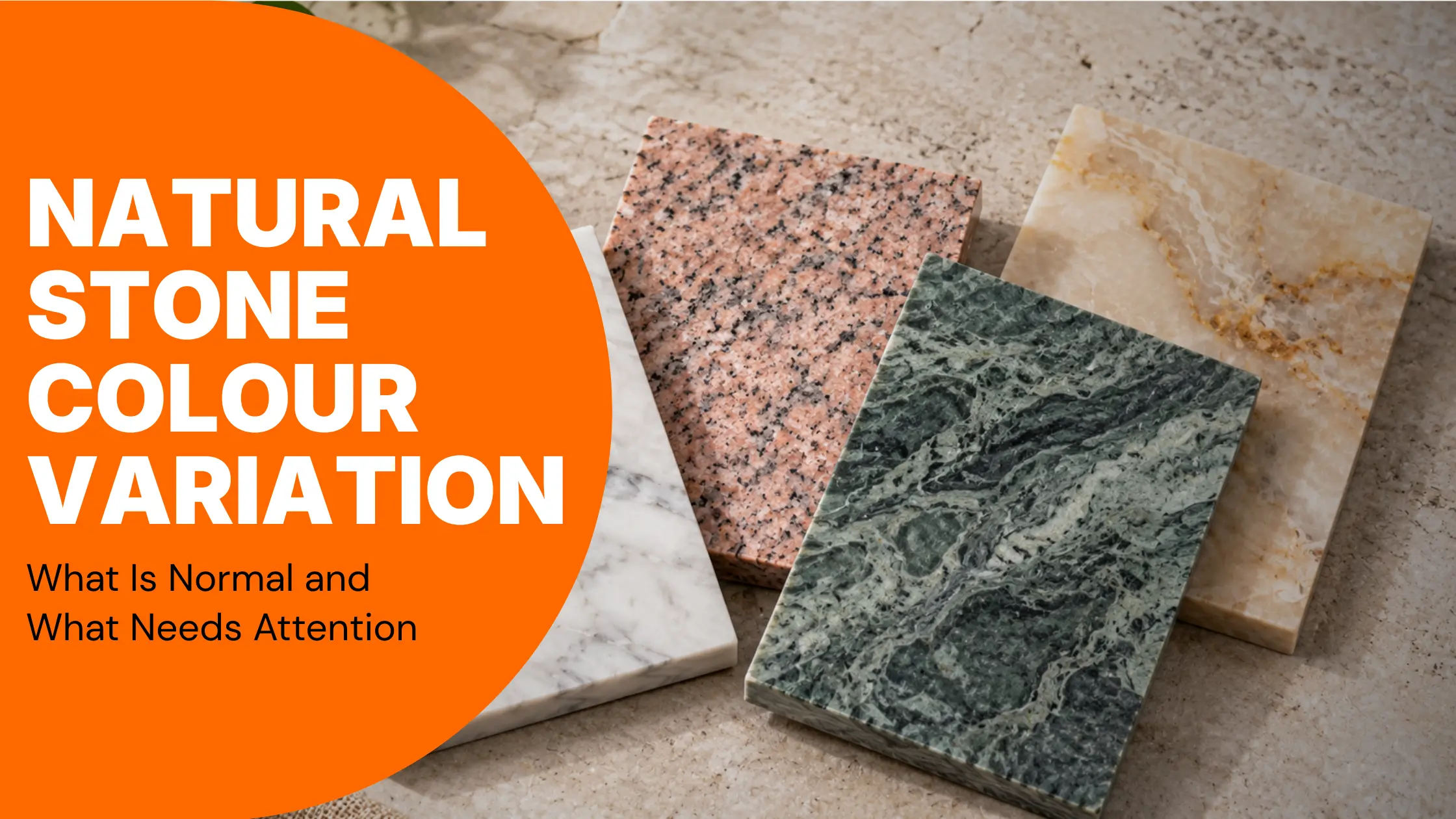

Choosing natural stone for a building or renovation project brings a unique, organic element into a space. Unlike manufactured materials produced with standardized colours and batch consistency, stone is a product of geological history. Because no two quarries or rock formations are identical, natural stone colour variation is an intrinsic characteristic of the material rather than an immediate sign of a defect.
However, distinguishing between an expected aesthetic trait and an underlying material flaw can be challenging. Homeowners, architects, and contractors often face uncertainty when delivered slabs or tiles differ from samples. Understanding what causes these tonal shifts—and knowing when a difference warrants closer technical inspection—ensures smoother project planning, clear supplier communication, and a successful finished installation.
What Causes Natural Stone Colour Variation?
The visual character of natural stone is defined by the geological conditions under which it formed over millions of years. Heat, pressure, groundwater movement, and organic displacement all influence how minerals align and settle within the earth.
Mineral Composition and Chemical Traces
The primary driver of colour differences is mineral content. Iron oxides introduce red, brown, and yellow tones, while chromium or chlorite creates subtle greens. Clay minerals, carbon, and organic matter produce darker grey and black shades, while pure calcite yields clean whites. Even slight fluctuations in mineral density across a quarry face alter the primary background shade of the extracted material.
Geological Formations and Veining
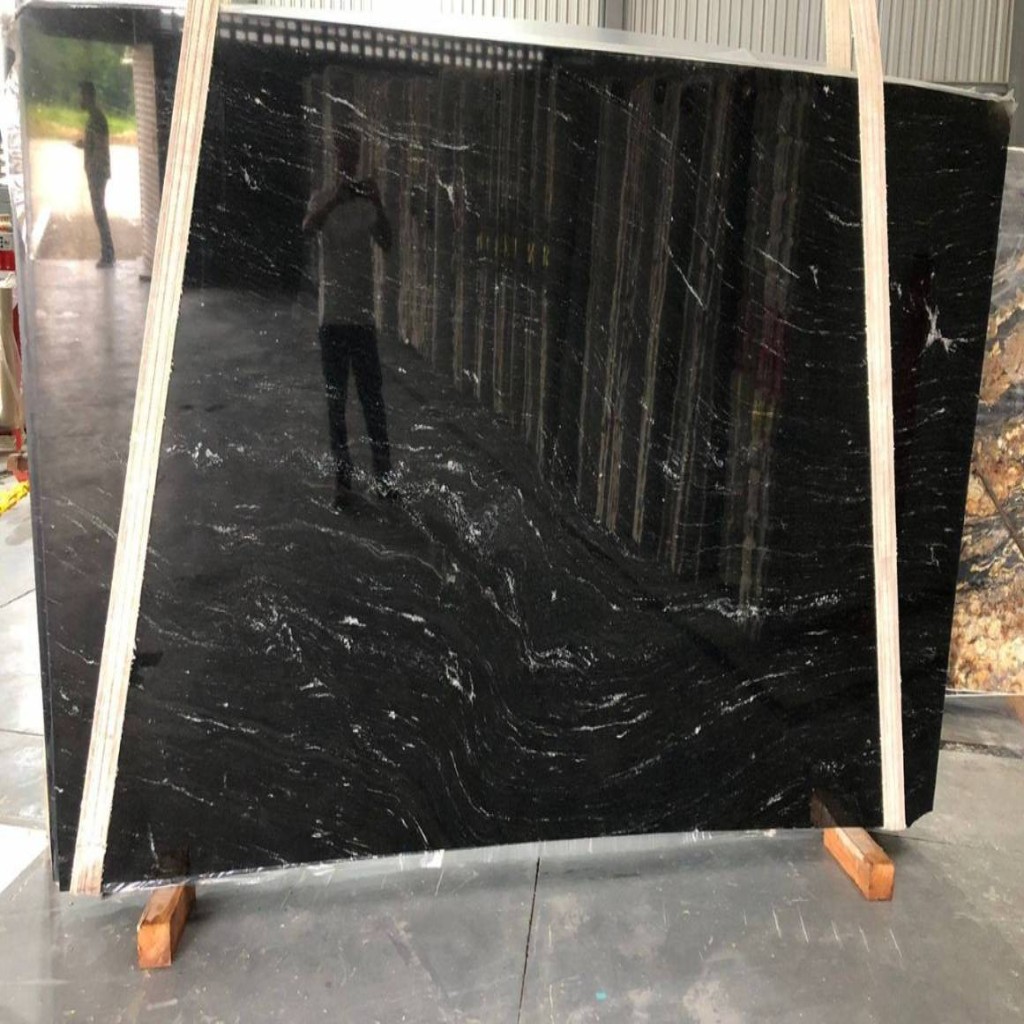
Movement within the earth’s crust creates fissures where liquid minerals solidify over time, producing distinctive natural stone veining and contrast. In sedimentary materials like limestone and travertine, changing environmental conditions during layering create horizontal bands and varying porosity. Igneous rocks like granite feature interlocking mineral crystals that shift in size and distribution depending on how quickly the molten magma cooled.
Quarry Layers and Processing Methods
Stone extracted from different depths or sections of the same quarry will exhibit natural stone variations. Furthermore, the direction in which a block is sawn drastically alters its visual presentation:
- Vein-Cut: Cutting parallel to the natural bedding planes highlights linear stripes and directional layering.
- Cross-Cut: Cutting across the bedding plane creates a cloud-like, mottled pattern with softer tonal transitions.
What Natural Stone Colour Variation Is Normal?
Acceptable variation largely depends on the specific stone classification, its geological origins, and the selected surface finish. Understanding normal stone variation prevents unnecessary project delays and helps set realistic expectations.
| Stone Type | Normal Characteristics | Typical Visual Expectations |
| Marble | Swirling veins, subtle background shade shifts, localized mineral clusters | Pronounced directional veining; background tones range from bright white to creamy grey across a single batch. |
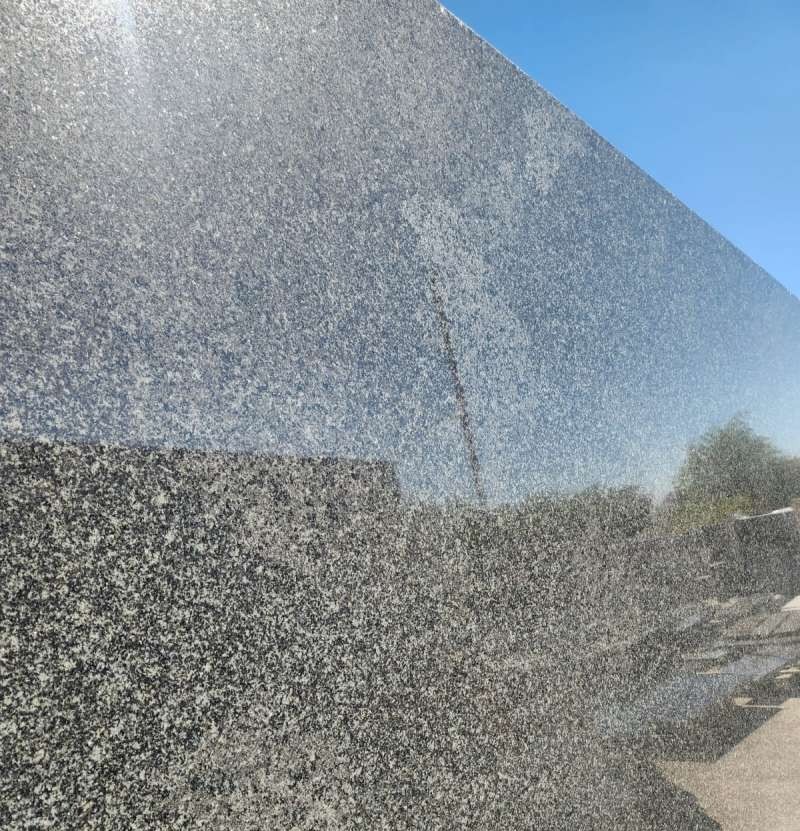
| Granite | Speckled mineral structures, random distribution of quartz/feldspar grains | High consistency in texture, but noticeable shifts in mineral crystal sizing and background density. |
| Limestone | Fossils, shell fragments, subtle tonal banding, minor pore structure shifts | Soft, muted background with occasional fossil outlines and gentle tonal shifts between individual tiles. |
| Travertine | Open voids, layered banding, significant background tone contrast | Strong linear striping, surface fill variations, and noticeable shade differences between quarry layers. |
| Slate | Layered clefting, dramatic shade contrasts, metallic mineral veining | Rich, multi-tonal variation; individual tiles often range widely in hue and texture across a single crate. |
Surface Finish Impact
The chosen surface finish changes how light reflects off the stone, directly altering perceived depth and colour saturation:
- Polished: Darkens the material, intensifies contrast, and brings out deep mineral rich hues.
- Honed or Matte: Lightens the overall appearance, softening dark veins and reducing contrast.
- Textured (Flamed, Bush-Hammered, Brushed): Scatters light, resulting in a paler, more muted appearance compared to smooth surfaces.
When Should Natural Stone Colour Differences Raise Concerns?
While minor shade shifts are standard, certain visual changes indicate potential material issues, improper handling, or installation errors. Recognizing these warning signs early helps protect your investment.
1. Sudden Discolouration or Staining
If a stone slab or tile exhibits localized, patchy discolouration after delivery or installation, it may have absorbed oil, water, or foreign contaminants during transit or storage. Unlike integrated mineral veining, stains often cut across natural patterns irregularly.
2. Moisture Framing and Dark Edges
A common installation issue known as “picture framing” occurs when moisture or compounds from adhesives and mortars migrate into the porous edges of unsealed tiles. This leaves a dark, wet-looking border around the perimeter of the stone that fails to dry over time.
3. Rust Spots and Iron Oxidation
Certain light-coloured granites and marbles contain trace deposits of raw iron. If exposed to excess moisture, acidic cleaners, or improper outdoor storage before installation, these internal minerals can oxidize, causing bright yellow or orange rust spots to bleed through to the surface.
4. Efflorescence and Surface Haze
A powdery white residue on the surface of installed tiles is usually efflorescence—soluble salts carried upward by evaporating water. While not an intrinsic stone defect, it indicates underlying moisture movement within the subfloor or wall substrate that requires remediation.
How to Assess Natural Stone Before Buying or Installation
To ensure the material meets your design expectations, conduct a systematic natural stone quality check prior to fabrication or laying.
Inspect Full Slabs, Not Just Small Samples
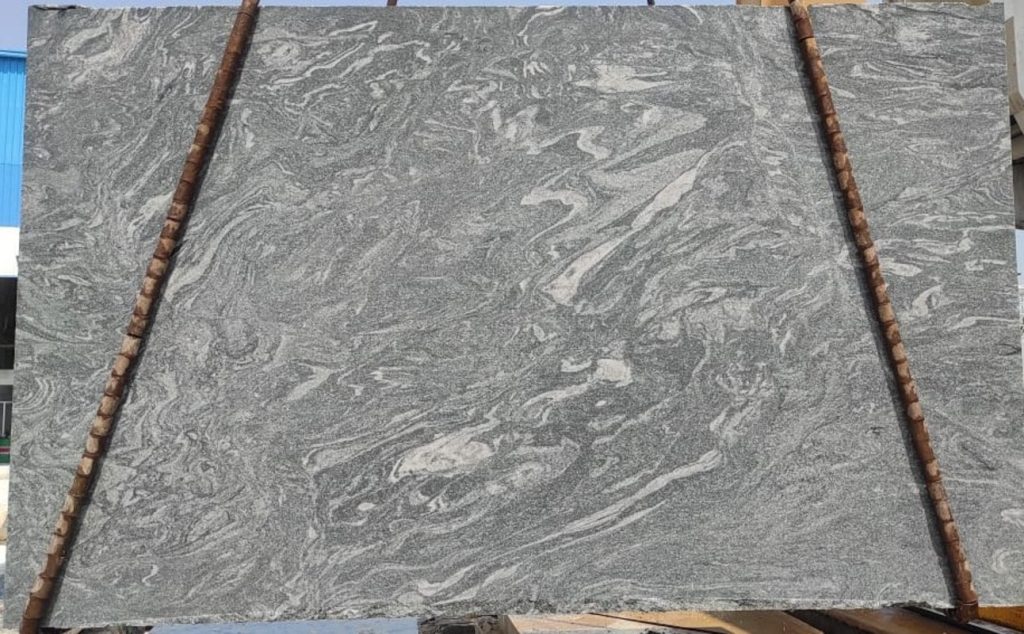
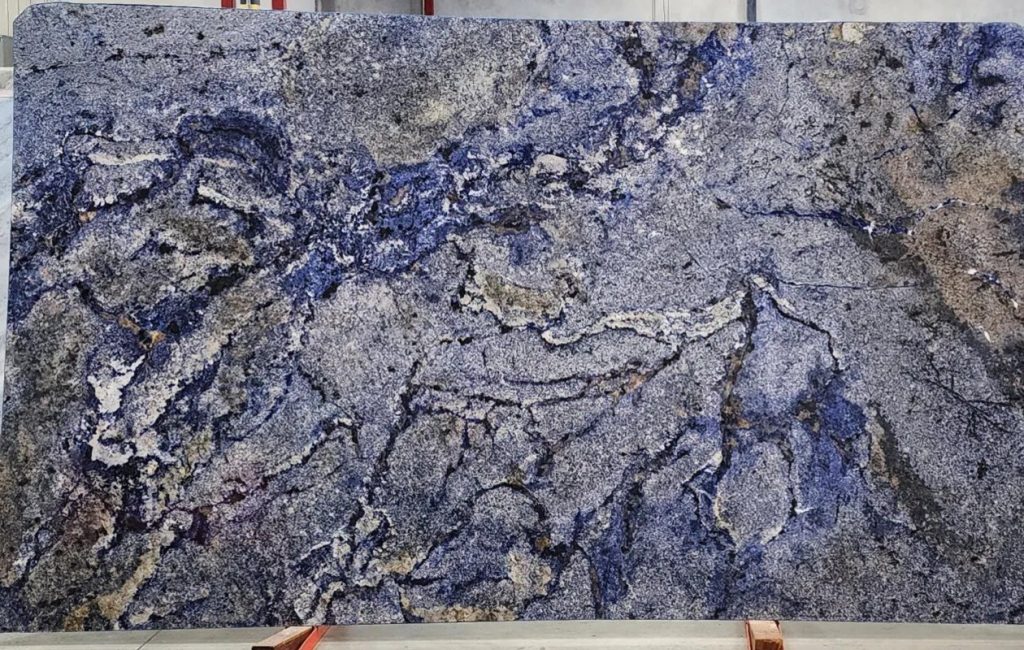
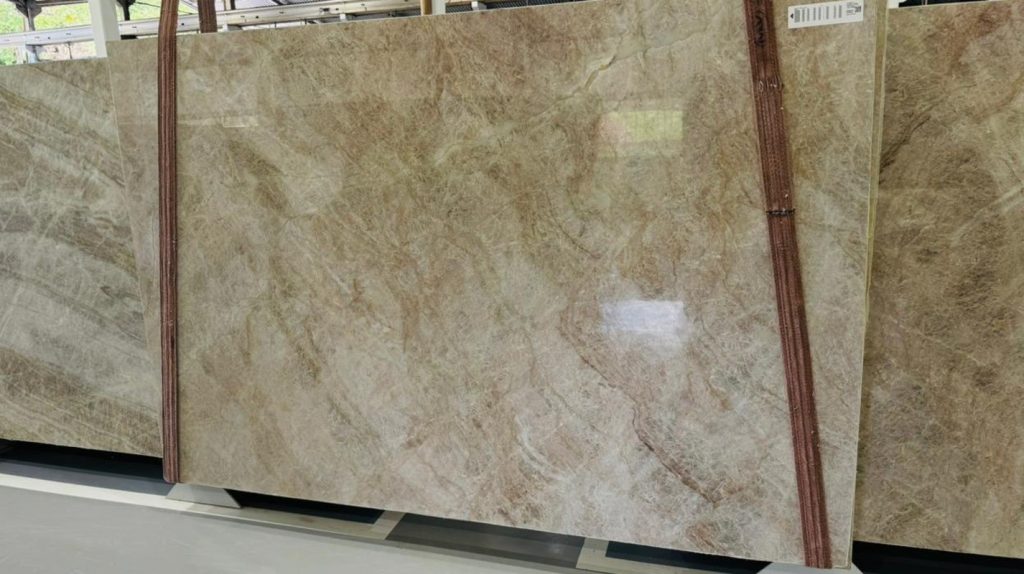
Small natural stone samples serve only as a general reference for colour tone and surface finish. They cannot represent the full scale of veining, background variation, or mineral deposits present across a full-sized slab. Always request high-resolution photos of the specific slab bundle, or inspect the physical material at the distributor’s yard prior to purchase.
Conduct a Dry Layout
For tile applications, open several crates simultaneously and mix tiles from different boxes before setting them in adhesive. Dry-laying the tiles allows installers to balance darker and lighter pieces evenly across the floor, avoiding jarring blocks of mismatched shades.
Test Sealers and Enhancers
Chemical sealers, impregnators, and colour-enhancing treatments permanently alter the appearance of porous stone. Always test chosen maintenance products on an unused offcut or an inconspicuous area to confirm the final dry colour before treating the entire installed surface.
How Environmental Factors and Lighting Affect Appearance
The perceived colour of natural stone changes depending on its surrounding environment. Factors to evaluate include:
- Color Rendering Index (CRI) and Temperature: Warm incandescent lighting (2700K) accentuates golden, cream, and beige tones, while cool LED lighting (4000K+) highlights white, grey, and blue undertones.
- Natural Daylight Exposure: Direct sunlight reveals subtle mineral inclusions and depth that may remain hidden under dim interior lighting.
- Moisture Exposure: Unsealed stone darkens dramatically when wet. Showers, pool surrounds, and outdoor patios will naturally appear darker during rain or heavy humidity until fully dry.
Frequently Asked Questions
Yes. Colour, shade, and pattern variations are inherent characteristics of natural stone. Because stone is quarried directly from natural geological formations, no two slabs or tiles are identical.
Showroom samples are small cut pieces from a single slab or batch that may have been quarried months or years earlier. Quarrying moves through different earth layers over time, resulting in subtle shifts in mineral composition and shade between production runs.
Temporary darkening often occurs due to trapped moisture from setting mortars, which typically dissipates as the installation cures. Permanent discolouration can occur if the stone reacts with harsh acidic cleaners, absorbs unapproved sealers, or experiences iron oxidation due to prolonged dampness.
Stop the installation immediately. It is much easier to resolve material discrepancies before stone is permanently bonded with adhesive or cut for fabrication. Contact your fabricator or supplier to inspect the uninstalled pieces alongside the original specification documentation.
Final Recommendations
Natural stone colour variation is a defining feature of authentic, quarried materials. Achieving a successful installation relies on clear communication between project owners, architects, suppliers, and installers from the initial material selection stage through to final sealing.
By inspecting full slab bundles, dry-laying tiles prior to setting, verifying lighting conditions, and applying appropriate sealers, you can confidently integrate natural stone into any design. When unexplained discolouration, severe edge darkening, or unexpected staining occurs, consult a qualified natural stone specialist or certified installer to evaluate the surface before attempting corrective treatments.

Leave a Reply