



Two quotes for natural stone can look almost identical on paper, yet lead to completely different outcomes once materials arrive on site. When sourcing stone for a high-end kitchen worktop, a bathroom vanity, or a bulk tile order for a multi-unit development, choosing a supplier based purely on the bottom line is one of the most common procurement mistakes.
A lower initial estimate often masks hidden costs, loose manufacturing tolerances, poor batch consistency, or inadequate packaging. Knowing how to compare granite suppliers effectively requires looking past the bottom line and evaluating the full scope of quality, service, and project risk.
What a Granite Quote Should Actually Include
A bottom-line figure is meaningless without a detailed breakdown of what is included. When conducting a granite quote comparison, line items that seem missing or vague are often added back later as unexpected variations.
Cutting, Finishing, and Edge Profiling
Standard stone quotes often cover basic rectangular slab cutting, but custom fabrication demands far more detail. Check whether the quote explicitly includes:
- Polished or honed surface finishes on exposed faces.
- Specific edge profiles (e.g. bevelled, pencil round, or bullnose).
- Sink and hob cut-outs, including unpolished vs polished inner edges.
- Tap hole drilling and drainage grooves.
Packaging, Handling, and Delivery Terms
Natural stone is heavy, rigid, and prone to cracking if handled poorly during transport. Ensure the estimate specifies:
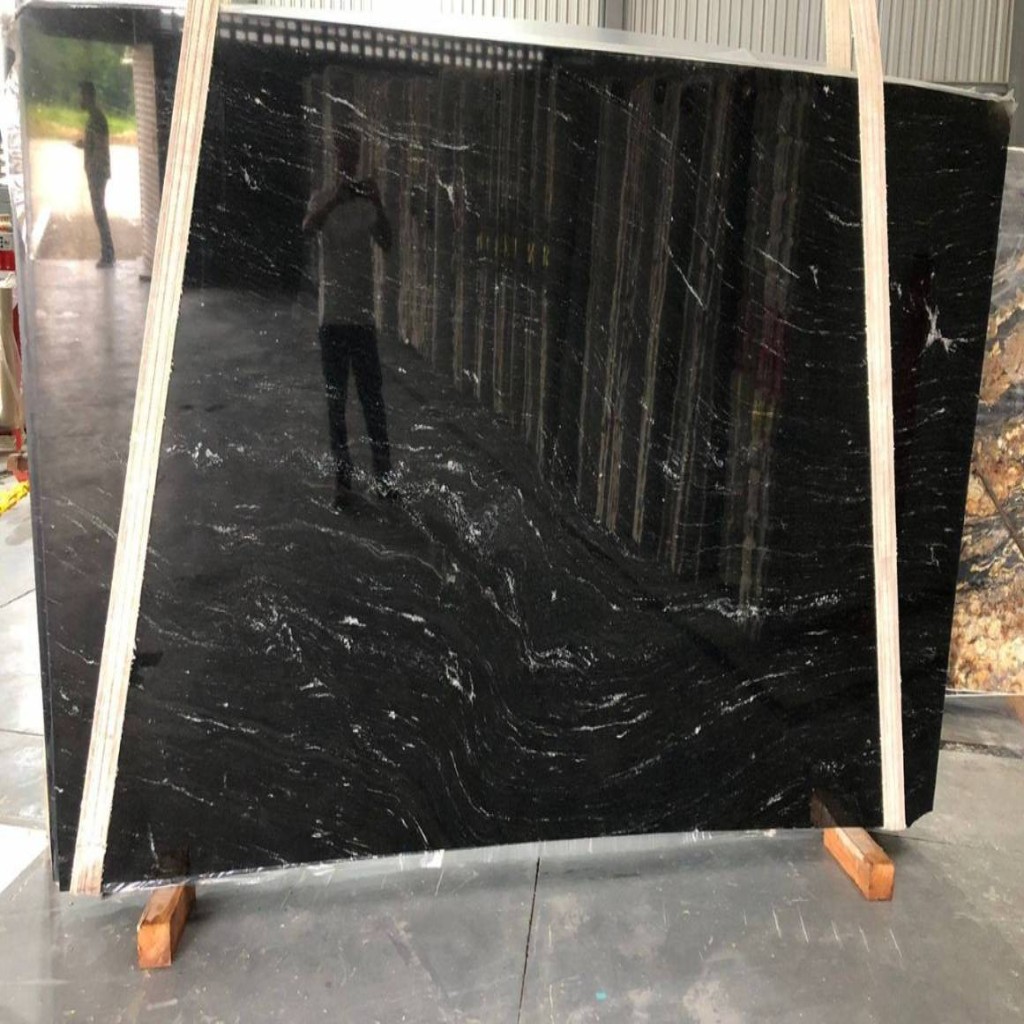
- Packaging types: Are slabs secured on sturdy A-frames or packed in ISPM-certified wooden crates for ocean freight?
- Offloading responsibilities: Does delivery include crane or moffett offloading on site, or is kerbside delivery the default option?
- Insurances and transit risk: Who holds liability if a slab fractures in transit before reaching your site?
Judging Stone Quality, Tolerances, and Batch Consistency
Price differences between suppliers frequently reflect variations in raw material grading and processing precision. Evaluating granite slab quality goes well beyond looking at a polished surface in a showroom.
Thickness and Calibration Tolerances
Inconsistent slab thickness creates severe alignment issues during installation, leading to uneven joints and extra labour hours on site.
- Dimensional tolerance: High-precision suppliers work within a strict tolerance of ±1mm to ±2mm.
- Calibration: Ensure tiles or cut-to-size panels are properly back-calibrated to maintain uniform bedding depth.
Surface Treatments, Fills, and Finishes
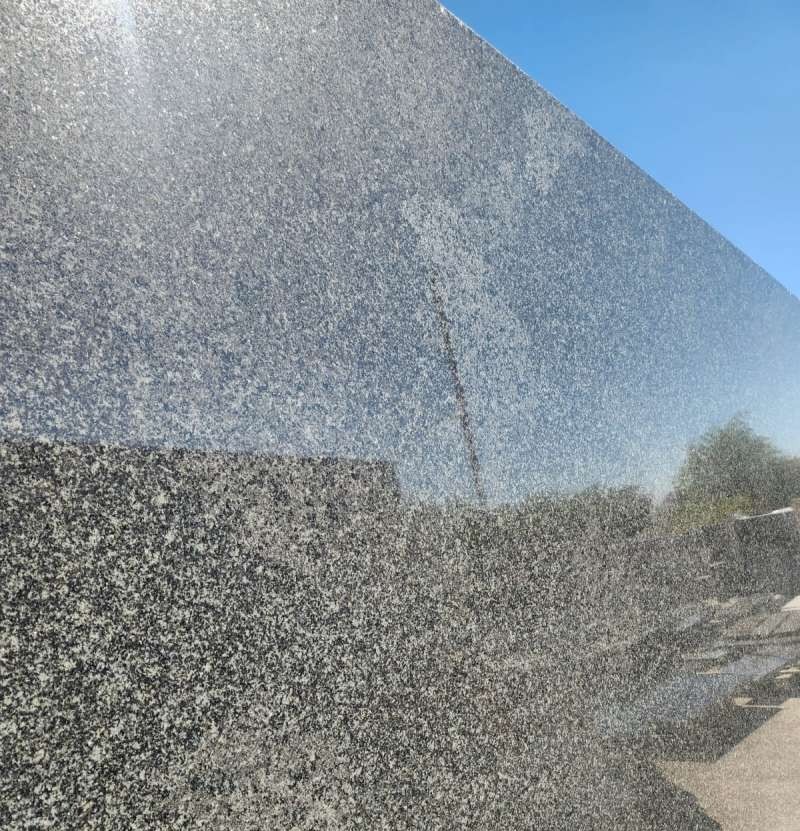
Granite is a natural material with inherent fissures, pits, and structural variations. Lower-grade slabs are often heavily treated with resin fills to mask structural weaknesses. While resin treatments are common in the stone trade, they should be applied professionally without leaving surface discoloration, dull patches, or uneven shine under direct lighting.
Sample Approval vs Real Slab Variations
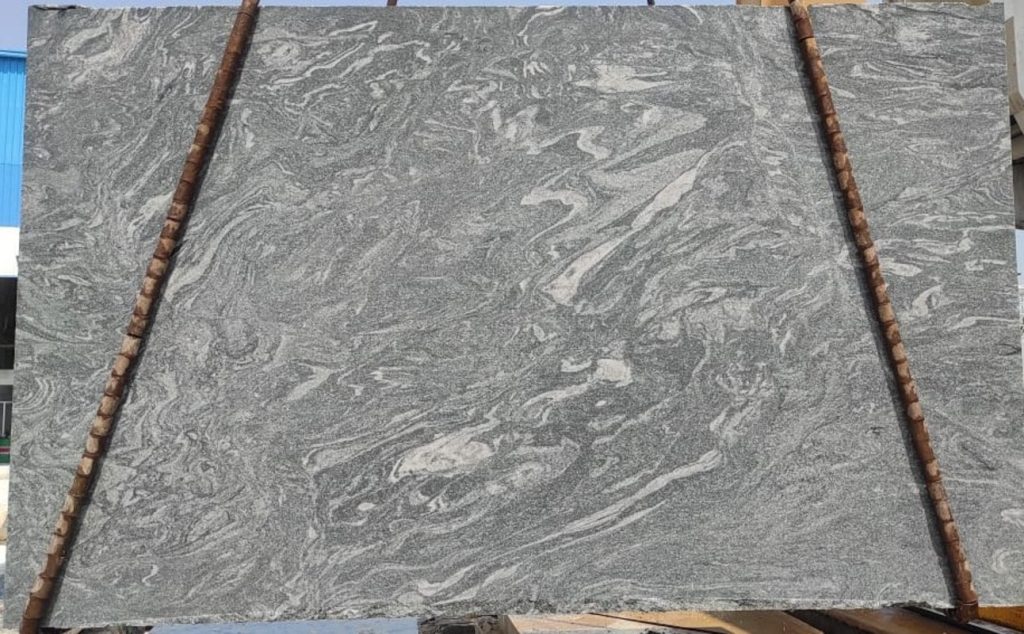
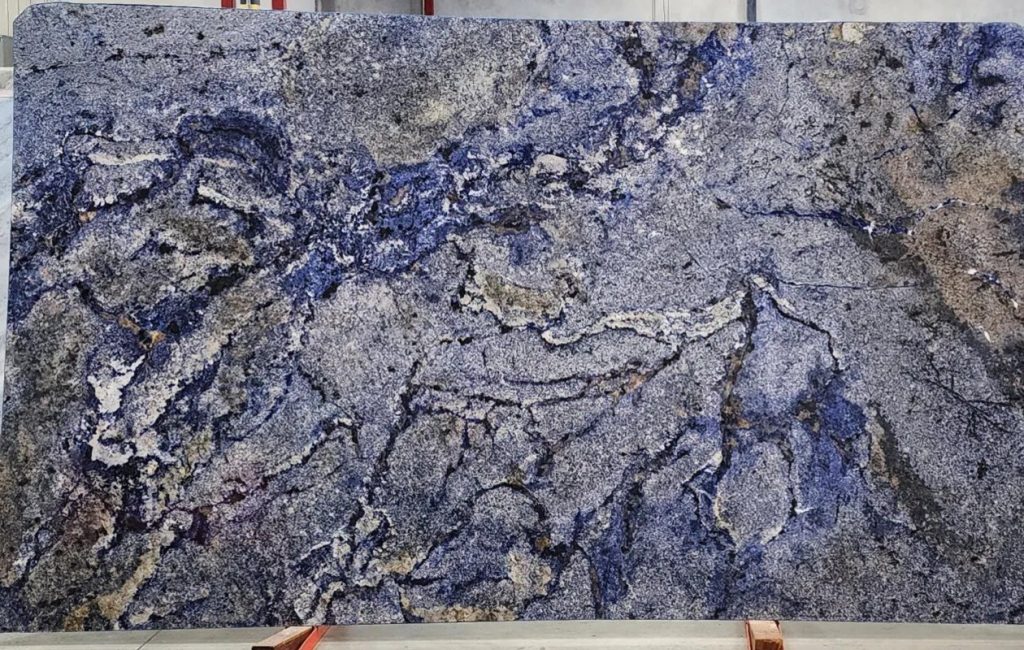
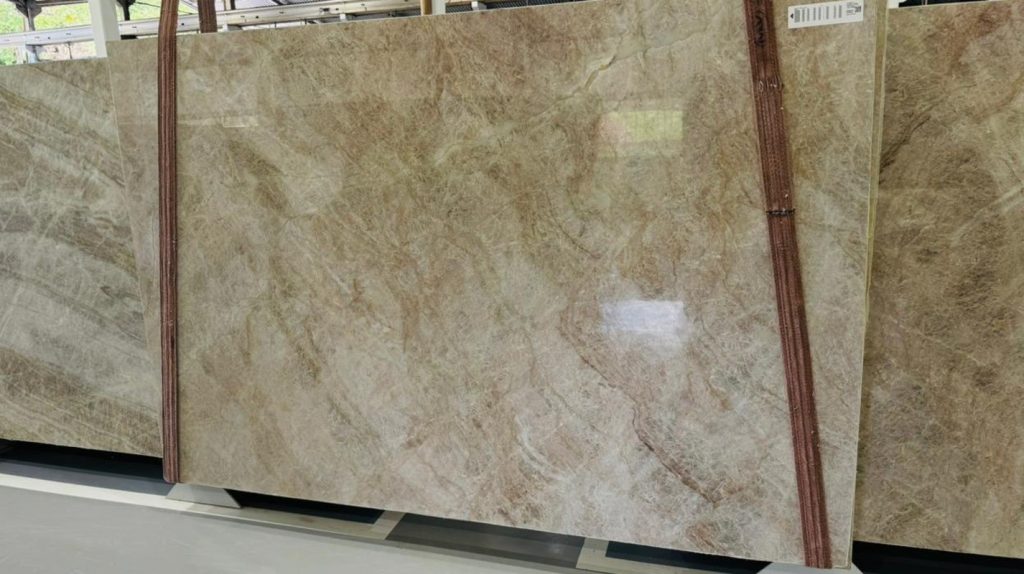
A small hand sample provides an initial idea of color and grain structure, but it cannot represent a whole block. For larger projects or highly veined granite, requesting high-resolution photographs of current batch stock—or conducting a physical slab inspection—is vital to ensure visual consistency across all pieces.
Supply Chain Reliability and Logistics
Even the highest quality stone is useless if it arrives weeks late or in insufficient quantities to complete the installation. Evaluating a supplier’s logistical capability is essential for keeping projects on schedule.
Lead Times, Stock Levels, and Minimum Quantities
Confirm whether the supplier holds raw material stock directly or acts as an intermediary reliant on external processing schedules.
- Stock availability: Can the supplier fulfill your entire volume from a single block or batch to avoid color banding?
- Minimum Order Quantity (MOQ): Does the quote impose an MOQ that forces you to buy excess material?
- Buffer material: Does the quoted quantity account for standard cutting wastage (typically 10% to 15%)?
Freight Risks, Damaged Goods, and Warranties
Clarify the supplier’s procedure for handling defective or broken stone:
- How are transport damages documented and reported?
- What is the replacement lead time if a custom-cut piece arrives damaged?
- Does the supplier offer written warranties covering material defects, structural integrity, or sealant performance?
Practical Supplier Comparison Scorecard
When evaluating multiple estimates side-by-side, use this practical scorecard to weigh critical factors beyond material pricing:
| Evaluation Criteria | Key Questions to Ask | Weight / Priority |
| Quote Transparency | Are edge profiling, cut-outs, waste factor, and delivery fully itemised? | High |
| Material Quality | Are thickness tolerances within ±1mm–2mm? Is the slab surface free from unpolished resin spots? | High |
| Batch Uniformity | Can the full volume be supplied from a single matching batch or stone block? | Critical |
| Lead Time Realism | Is the lead time guaranteed in writing, with clear buffer options for replacements? | Medium |
| Packaging & Transit Risk | Is stone packed in A-frames or heavy crates? Is transit insurance included? | High |
| After-Sales & Warranties | What is the formal process for replacement if materials arrive cracked or out of spec? | Medium |
Questions to Ask a Granite Supplier Before Signing
To prevent unexpected delays and budget overruns, ask these direct questions before making a commitment:
1. “Is the quoted figure based on a single, continuous batch of stone?”
Why it matters: Slabs sourced from different blocks can vary noticeably in background shade and pattern.
2. “What exact thickness tolerance do you guarantee across the entire order?”
Why it matters: Loose tolerances add significant levelling and installation time for site workers.
3. “Does the delivery fee include site offloading, or is it kerbside drop-off only?”
Why it matters: Heavy stone crates require specialised equipment if not handled by the transport company.
4. “What happens if a slab arrives damaged or fails inspection upon arrival?”
Why it matters: Clear written terms protect your timeline if replacements need to be re-cut and shipped urgently.
Red Flags in Granite Quotes
Watch out for these warning signs when reviewing supplier proposals:
- Vague lump-sum pricing: Quotes that lump material, fabrication, and delivery into a single non-itemised figure.
- Refusal to supply batch photos: Suppliers who insist that a small hand sample is fully representative of a 20-slab order.
- Unrealistically short lead times: Promises that sound far faster than standard processing and transit schedules allow.
- Absence of damage handling policies: No clear written terms covering replacements, returns, or transit breakages.
Frequently Asked Questions
Price variations usually stem from differences in stone grading, fabrication tolerances, surface treatments, and included services. A cheaper quote may use lower-grade slabs with visible fills, omit edge polishing costs, or leave offloading responsibilities to the buyer.
Standard projects require an additional 10% to 15% material allowance to cover cutting waste, corner shaping, and natural material variations. Complex layouts with multiple cut-outs or strict vein-matching requirements may require a higher wastage buffer.
Physical samples show basic colour tone and finish, but they cannot show full-scale veining, natural inclusions, or color shifts across larger surfaces. For significant projects, always request batch-specific photos or view full slabs before production begins.
Choosing the Right Partner for Your Project
Evaluating granite suppliers requires looking well beyond the initial line-item estimate. By comparing fabrication capabilities, thickness tolerances, batch availability, packaging standards, and transit risk, you ensure your project stays on schedule and within budget without sacrificing finish quality.
Before approving your next quote, use our practical supplier comparison checklist to review every line item in detail, request batch-specific slab photos, and ensure all fabrication details are confirmed in writing.

Leave a Reply