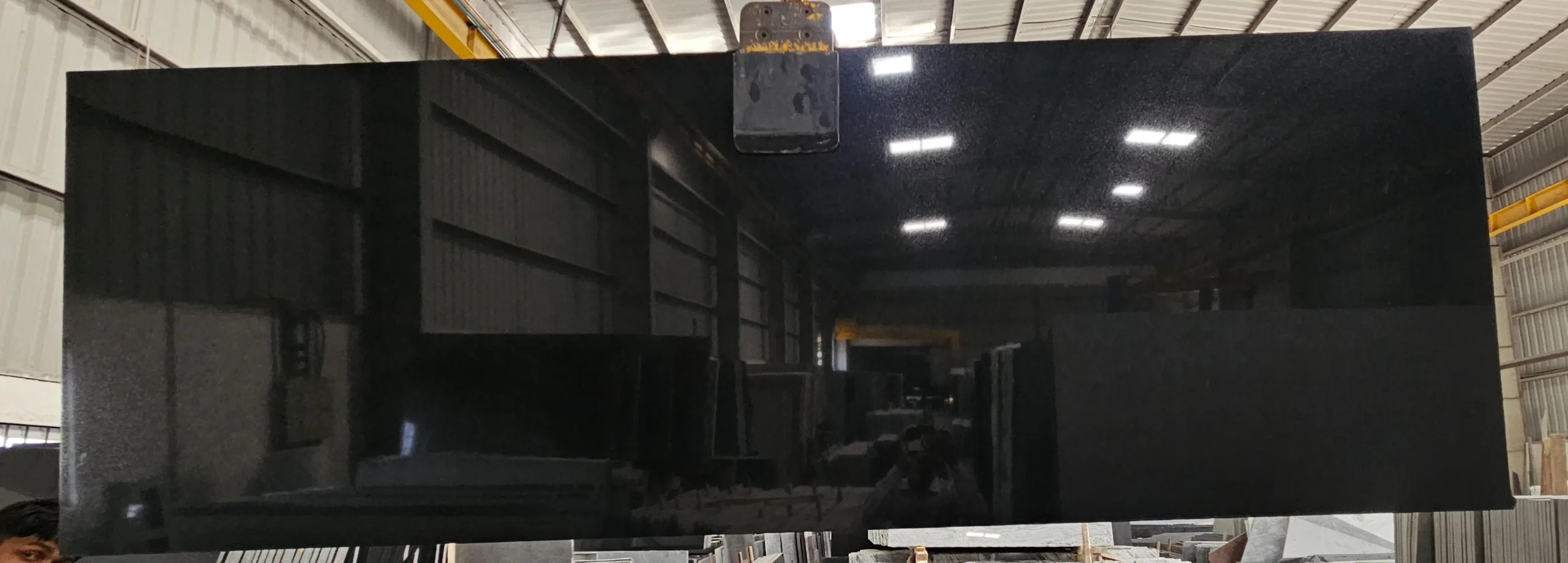

Here’s something interesting that catches people off guard. Leathered finishes often cost more than polished. The finishing process is more specialized and time consuming, and not every fabricator offers it. When you’re getting quotes from an absolute black granite supplier, you’ll typically see a price difference of anywhere from 10 to 25 percent more for leathered over polished.
That cost difference might be totally worth it if you value the low maintenance aspect and prefer the look. But if the budget is tight, it’s worth considering whether polished granite with more regular cleaning might actually work fine for your situation.
Making the Choice Based on Your Actual Life
Think honestly about how you use your kitchen. Do you cook frequently with flour, which shows up instantly on dark polished surfaces? Are there kids in the house who’ll be doing homework at the kitchen island? Do you entertain often and want that wow factor, or do you prefer spaces that feel comfortable and lived in?
If you’re someone who genuinely enjoys maintaining things and finds a quick counter wipe down satisfying rather than annoying, polished might be perfect. If you’d rather have surfaces that look good without constant attention, leathered makes more practical sense.
Consider your design style too. Modern farmhouse, contemporary, and transitional styles often pair beautifully with leathered finishes. More traditional or glam aesthetics might call for that polished shine.
What Professional Designers Actually Recommend
Most designers I’ve talked with don’t have a strong preference for one over the other because both work well in the right context. They tend to steer clients toward polished formal spaces, powder rooms, or when someone specifically wants maximum visual impact. Leathered gets recommended for busy family kitchens, outdoor kitchen applications, and spaces where maintenance ease is a top priority.
Several designers mentioned that when working with a reliable granite supplier and exporter, they always request samples of both finishes to show clients. Seeing them side by side, and more importantly, touching them and understanding the textural difference, helps homeowners make much more confident decisions.
Installation and Care Differences
Both finishes require professional installation, and the actual installation process is essentially identical. The differences show up in long term care routines. Polished granite benefits from regular sealing, typically once a year, though absolute black granite is notably less porous than lighter granites and may need sealing less frequently.
Leathered granite also needs sealing, and some experts suggest it might need slightly more frequent attention because of the texture, though experiences vary. Both should be cleaned with pH neutral cleaners rather than harsh chemicals or vinegar based products.
The Verdict For Different Scenarios
For a formal dining area or a powder room where the counter gets less action, polished absolute black granite creates that dramatic sophisticated look that’s hard to beat. The maintenance demands matter less when the surface isn’t constantly in use.
For primary kitchen countertops in a busy household, leathered finish makes daily life noticeably easier. The reduced visibility of fingerprints and water spots means you can go longer between cleaning sessions without your kitchen looking messy.
For outdoor kitchens or bar areas, leathered is typically the better choice. It holds up better to varying conditions and the casual appearance suits outdoor spaces perfectly.
Ultimately, both finishes have earned their place in modern design. The “better” choice completely depends on matching the finish to your specific needs, aesthetic preferences, and how much time you realistically want to spend maintaining your surfaces. Visit showrooms, touch actual samples, and trust your gut reaction. You’ll be living with this decision for years, so it should feel right for your particular situation.