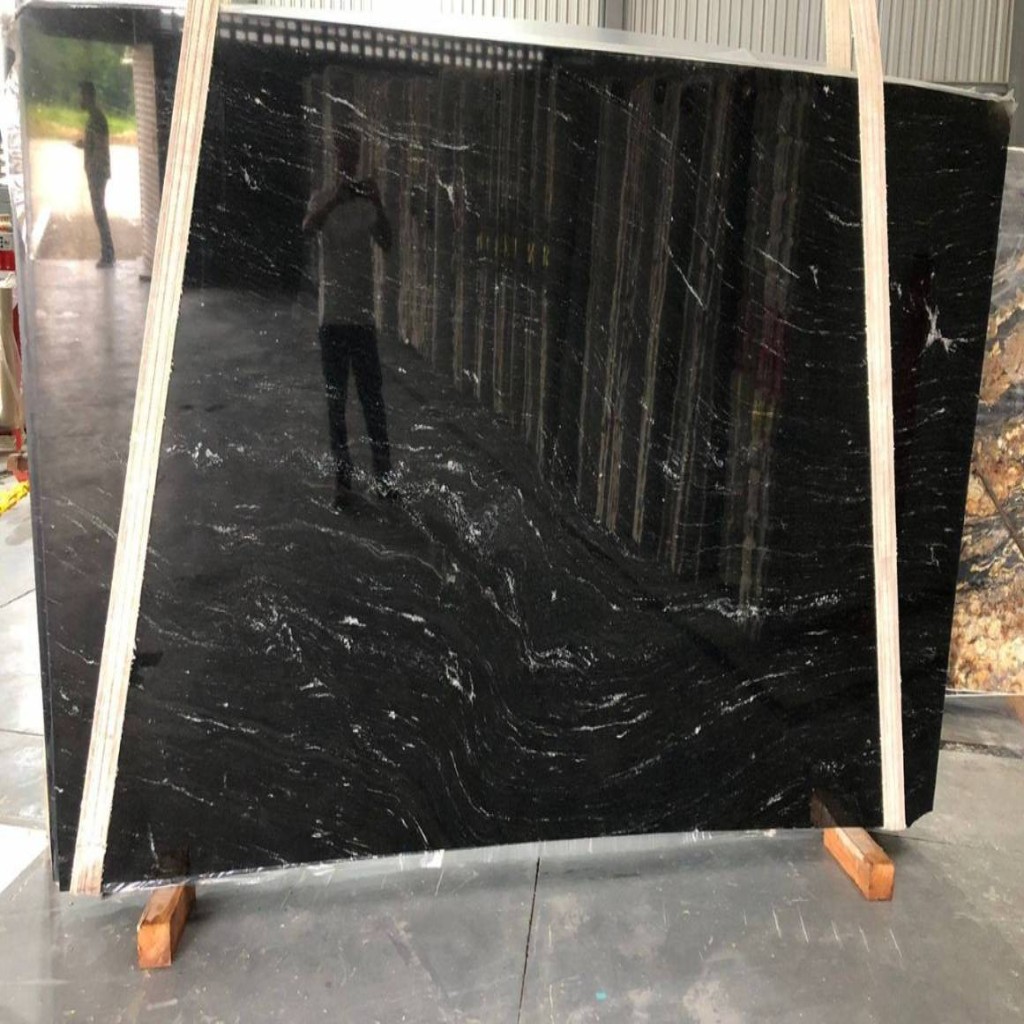


Every time container doors open at a destination port, buyers hold their breath. Discovering cracked slabs, chipped edges, or shattered tiles doesn’t just mean lost material. It triggers a cascade of replacement costs, project delays, and complex insurance disputes.
For suppliers and buyers alike, managing breakage claims in overseas granite export is a critical part of maintaining a profitable business. Natural stone is heavy, rigid, and fragile under tension. Surviving a multi-week ocean voyage requires meticulous preparation, especially when navigating the distinct logistical challenges of Europe, the Gulf, and the broader Middle East.
Successfully mitigating these risks involves understanding the physical stressors of international freight, strictly adhering to regional packing standards, and maintaining airtight export documentation.
What Causes Breakage Claims in Overseas Granite Export?
Understanding why natural stone fails during transit is the first step in prevention. Most granite shipping damage occurs not from a single catastrophic drop, but from cumulative stress.
Rough Port Handling and Transshipment
Long-haul sea freight rarely moves in a straight line. A container loaded in India or Brazil heading to the Middle East or Europe may undergo multiple transshipments. Every time a crane lifts a container to move it to a feeder vessel at ports like Rotterdam or Jebel Ali, the cargo experiences dynamic forces. Sudden stops, rough landings, and the pitching and rolling of the ship can cause heavy slabs to shift if not perfectly secured.
Climate Extremes and Seasonal Shipping
Temperature fluctuations severely impact natural stone and its packaging. Granite export to Europe during winter means inland transport via truck or rail through freezing conditions in Germany or Poland. This can cause thermal shock to stones with high natural moisture content.
Conversely, granite export to Gulf countries like Saudi Arabia (Jeddah, Riyadh) or the UAE involves extreme heat and humidity. Sizzling port tarmacs can soften the epoxy resins used on slab backings, while high humidity causes cheap, unseasoned wood crates to rot, weakening the entire support structure before the container even reaches the warehouse.
Improper Container Loading
Weight distribution is critical. Granite is exceptionally dense, meaning a 20-foot heavy-duty container reaches its maximum payload well before it is physically full. If the weight is concentrated on one side, or if the load is not properly blocked and braced, the entire stack can tilt during transit.
Packing and Crating Standards to Reduce Granite Breakage
Protecting your cargo starts on the factory floor. Investing in high-quality natural stone export packaging is exponentially cheaper than resolving a breakage claim.
Granite Slab Packing Guidelines
Slabs are the most vulnerable to snapping due to their large surface area and thin profiles. Proper granite slab packing relies on strong, well-engineered A-frames.
- Fumigated Wood: Always use solid, ISPM-15 certified wood. The moisture content should be strictly below 20% to prevent mold and structural weakening during transit.
- A-Frame Angles: Slabs must lean against the A-frame at the correct angle. Too vertical, and they tip forward; too slanted, and the bottom slabs bear excessive weight and crack.
- Edge Protection: The polished faces must face each other, separated by plastic sheets to prevent scratching. The bottom edges must rest on rubber mats or grooved wooden base runners to absorb vibration.
- Strapping: Use heavy-duty steel or high-tension PET straps. Secure the slabs tightly to the frame so they move as a single solid unit, rather than individual pieces vibrating against one another.
Granite Tile Packaging for FCL and LCL
Tiles are typically packed in styrofoam boxes or corrugated cartons before being placed into wooden crates.
- Pack tiles tightly to eliminate internal movement. Any empty space inside the carton allows tiles to slam into each other during sudden stops.
- Line the inside of the wooden crates with plastic sheets to prevent moisture damage.
- For Less than Container Load (LCL) shipments, over-packaging is mandatory. LCL cargo shares space with varied goods and undergoes significantly more manual handling. Crates should be reinforced with metal corner brackets.
Block Export Preparations
While rough blocks are less prone to snapping than slabs, they can still cause massive damage if they shift. Blocks must be heavily chocked with thick wooden dunnage nailed directly to the container floor. Wire lashing should be used to anchor the block to the container’s structural tie-down rings.
Regional Logistics: Europe, the Gulf, and the Middle East
Buyers across different regions have specific requirements and face unique logistical hurdles. Exporters must tailor their shipping strategies to the destination.
Granite Export to Europe
Shipping to ports like Hamburg, Antwerp, Genoa, and Rotterdam requires strict adherence to environmental and safety regulations. European customs are highly vigilant regarding ISPM-15 fumigation standards for wooden packaging.
If bark is found on the wood, or if the fumigation stamp is illegible, customs will quarantine the container. This causes massive delays, leaving the container sitting in port yards exposed to the elements, drastically increasing the risk of condensation and breakage. Furthermore, European buyers expect flawless polished surfaces; even minor transit scratches from poor packing will result in a claim.
Granite Export to Gulf Countries
The Gulf market—spanning Dubai, Abu Dhabi, Dammam, and Kuwait—demands high volumes of stone for continuous commercial construction. However, extreme temperatures pose a unique threat.
When conducting granite export to the UAE or Saudi Arabia, heat management is crucial. Exporters must ensure that the packing materials, especially plastics and adhesives, can withstand temperatures exceeding 50°C inside the container. High humidity in coastal ports like Bahrain and Oman requires aggressive use of desiccants inside the container to prevent moisture from degrading the crates and the stone’s finish.
Handling the Broader Middle East
Exporting to Turkey, Jordan, Lebanon, or Iraq often involves complex multimodal transport. Cargo arriving at seaports may face long inland truck journeys over uneven roads.
For these routes, standard container lashing is rarely enough. Exporters must use double-chocking methods and heavy-duty dunnage bags to fill any voids between the A-frames and the container walls. This prevents the cargo from swaying during rough inland transit.
Quality Control and Pre-Shipment Inspections
Preventing granite shipping damage requires rigorous factory-level quality control before the container doors are sealed. Importers should mandate pre-shipment inspections to verify packing integrity.
- Inspect the Stone: Ensure there are no pre-existing micro-fissures in the slabs. A stone with a natural flaw is almost guaranteed to split during a long ocean voyage.
- Verify the Crates: Check that all nails are flush, steel bands are tight, and wooden bases are intact.
- Supervise the Loading: Use heavy-duty forklifts or overhead cranes to load A-frames into the container smoothly. Jerky movements during loading often cause hidden micro-fractures that fail later at sea.
- Install Shock Watches: For highly valuable natural stone, attach tilt indicators or shock watches to the crates. These devices record if the crate was dropped or tilted beyond a safe angle, proving exactly when and where the mishandling occurred.
Essential Export Documentation to Prevent Disputes
Even with the best granite crating standards, accidents happen. When an overseas buyer receives damaged goods, clear documentation is the only way to resolve claims quickly and determine liability.
- Photographic Evidence: Take high-resolution photos of the cargo at every stage: the individual slabs, the fully packed crates, the crates loaded into the container, and the final lashing and chocking.
- Detailed Packing Lists: Clearly state the dimensions, weight, and exact packing method used.
- Clear Incoterms: Ensure both parties understand the agreed shipping terms (e.g., FOB vs. CIF). This dictates who holds the risk during transit and who is responsible for filing the insurance claim.
- Airtight Bill of Lading (B/L): Ensure the B/L accurately reflects the condition of the cargo upon loading. A clean B/L is essential for the buyer to process a claim against the shipping line if the container is damaged in transit.
Conclusion
Eliminating breakage claims in overseas granite export requires a proactive partnership between the factory, the exporter, the freight forwarder, and the buyer. By understanding the unique logistical challenges of the destination—whether navigating European customs, enduring Gulf heat, or managing rough inland transit in the Middle East—exporters can adapt their packing strategies accordingly.
Strict adherence to international granite slab packing guidelines, rigorous moisture control, and precise container loading will protect your product and your profit margins.
Are you a buyer or exporter experiencing high damage rates? Take the time to audit your current natural stone export packaging and loading protocols. Upgrading your crating standards today is the most effective way to secure your cargo, streamline your customs clearance, and eliminate costly breakage claims on your next shipment.