BBV IMPEX — NATURAL STONE EXPORT BLOG
Marble, Granite & Stone Export Insights
Articles for stone importers, distributors, and project buyers — written from 20 years of hands-on experience in India’s natural stone industry.
Search Articles
Hassan Green is a hornblende-biotite gneiss, not a true granite in the strictest petrological sense — but the trade calls it granite, and that's what matters commercially.
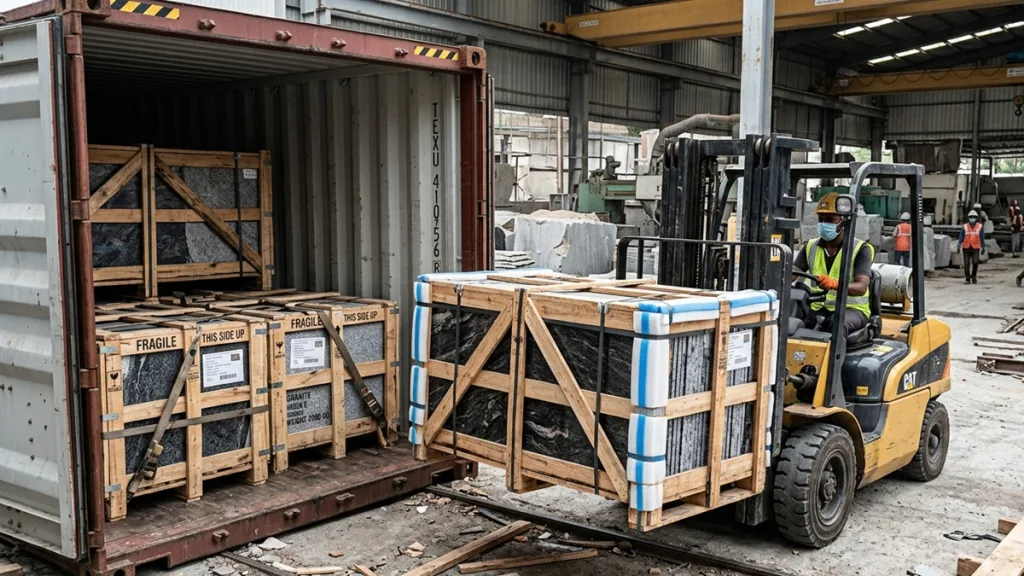
Avoiding breakage claims requires strict control across the entire chain— from block selection at quarry level to final container sealing.
Granite shipments rarely get rejected because of a single obvious defect. In most cases, rejection happens when the material arriving at the destination fails to match the buyer’s expectations, technical specifications, or agreed tolerances.
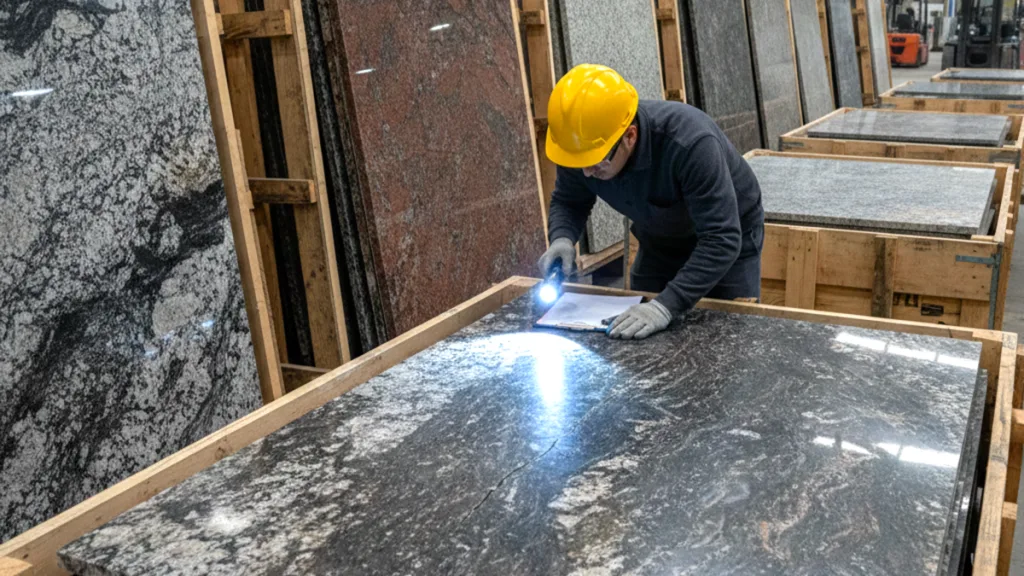
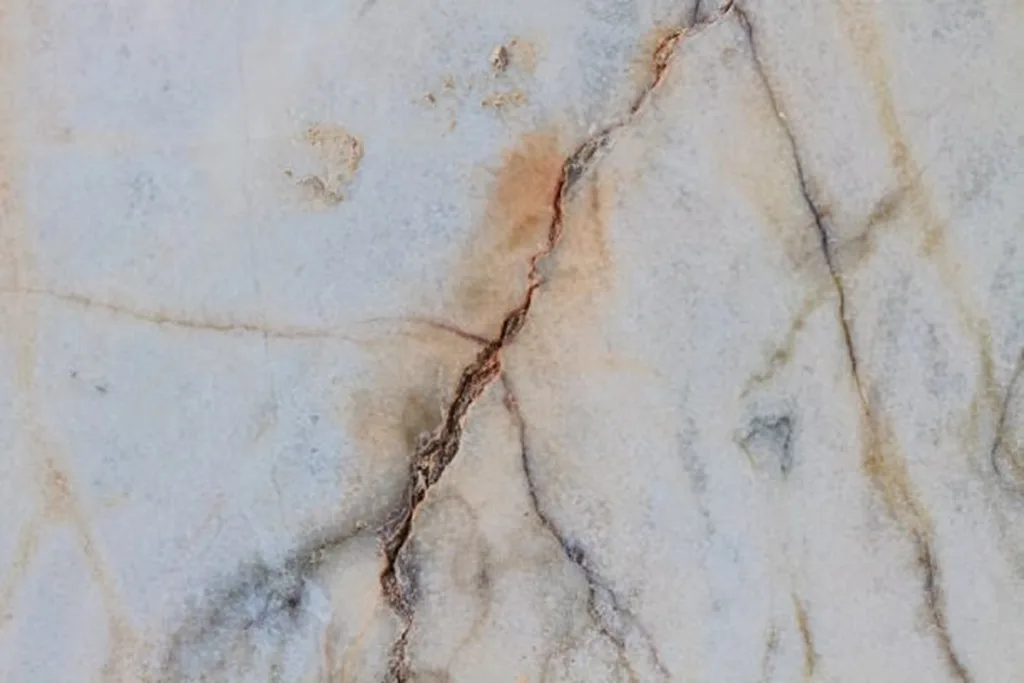
Micro cracks are among the most expensive mistakes in stone exports. They are rarely visible in a casual yard inspection, yet once the material reaches a foreign warehouse, they become claims, credit notes, replacements, and damaged relationships.
Exterior exposure amplifies every weakness. Rain, groundwater migration, humidity cycles, and temperature variation continuously test the internal density of the stone.

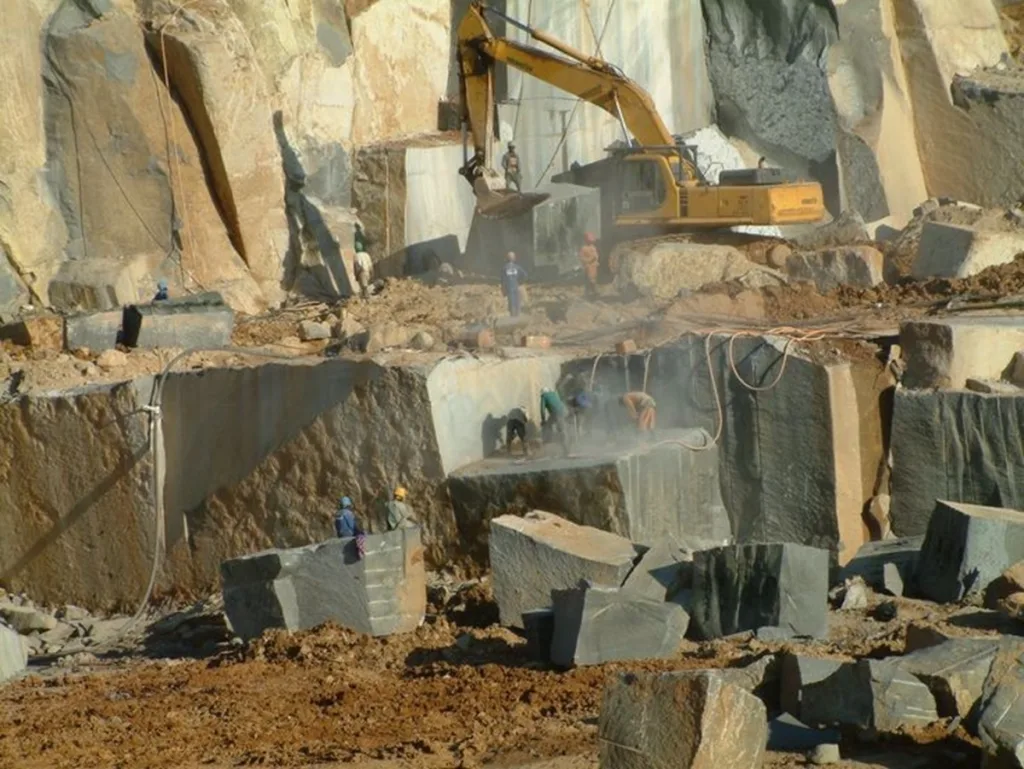
Shade control must begin at extraction. Blocks should be classified immediately after wire-saw cutting, before dispatch to the processing yard.
Fantasy Brown is often commercially classified as marble, but geologically it sits between marble and quartzite in many quarries.
In export-grade granite, marble, and quartzite, polish retention must be verified through measurable data, controlled handling simulation, and surface performance checks under realistic site conditions.