Thai Black Granite
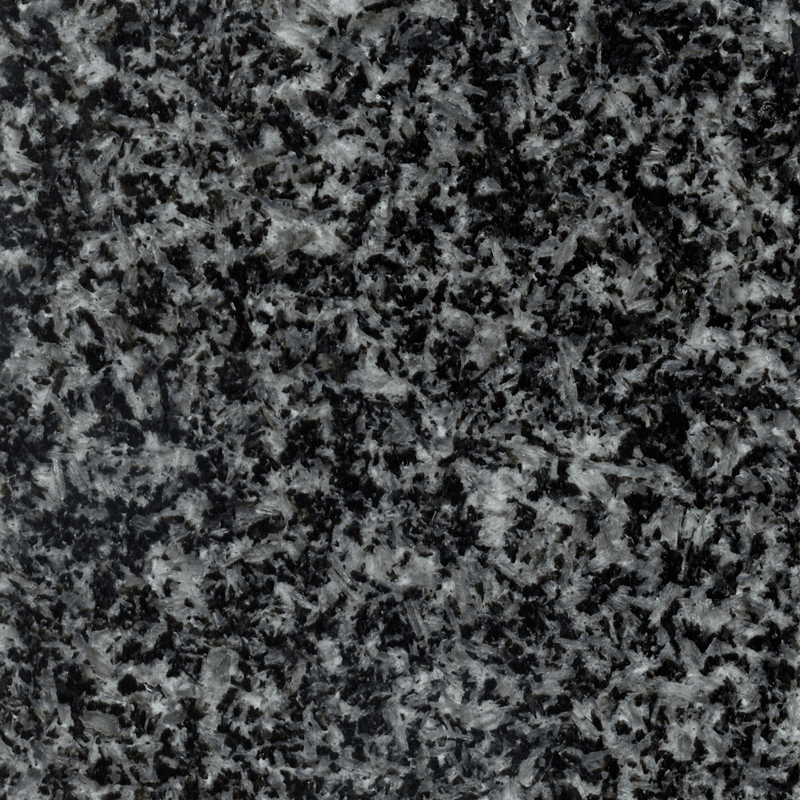
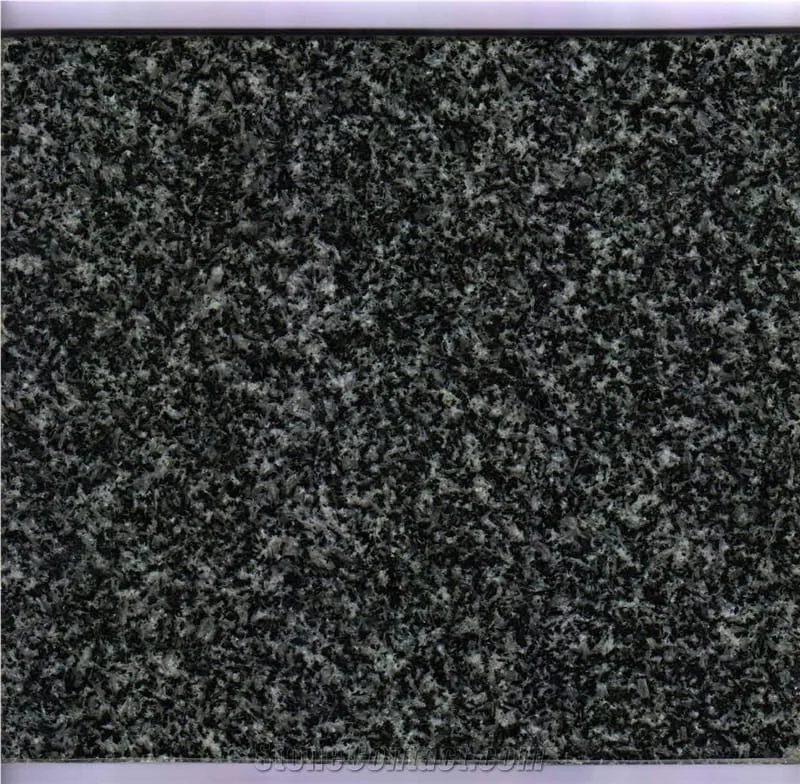
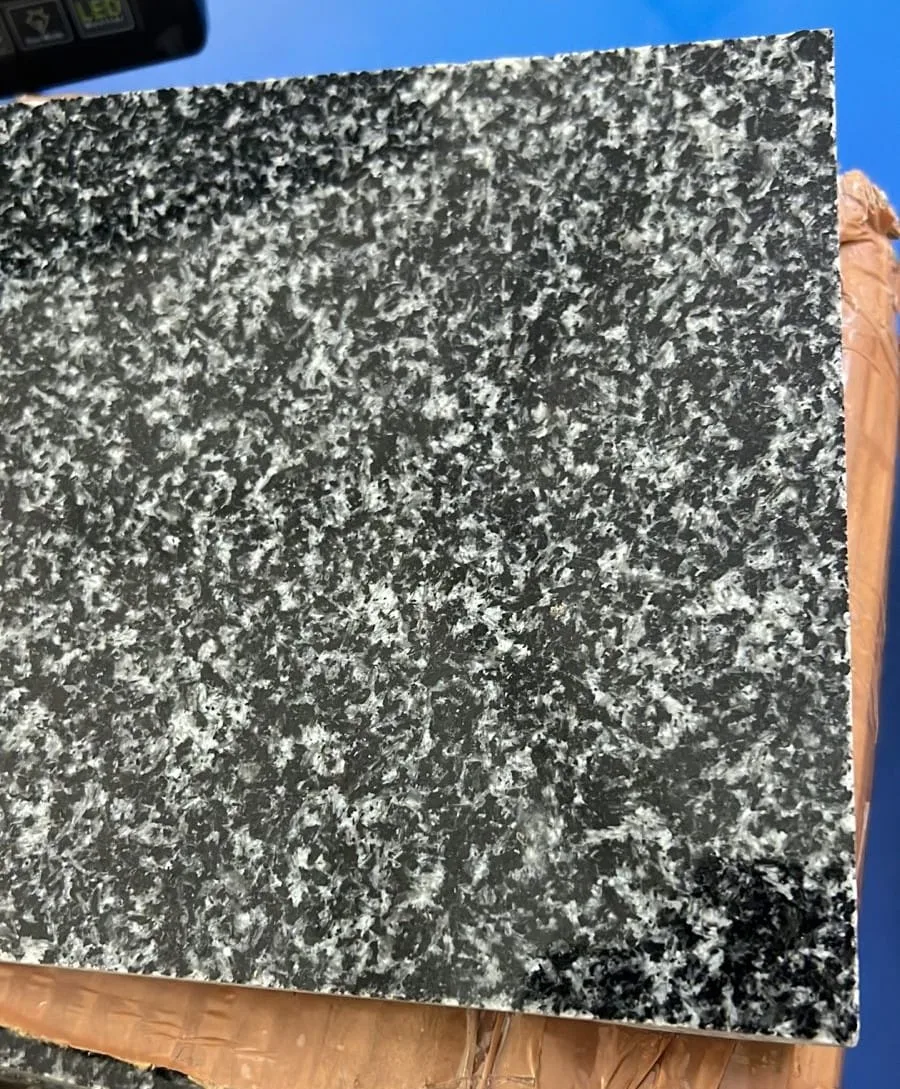
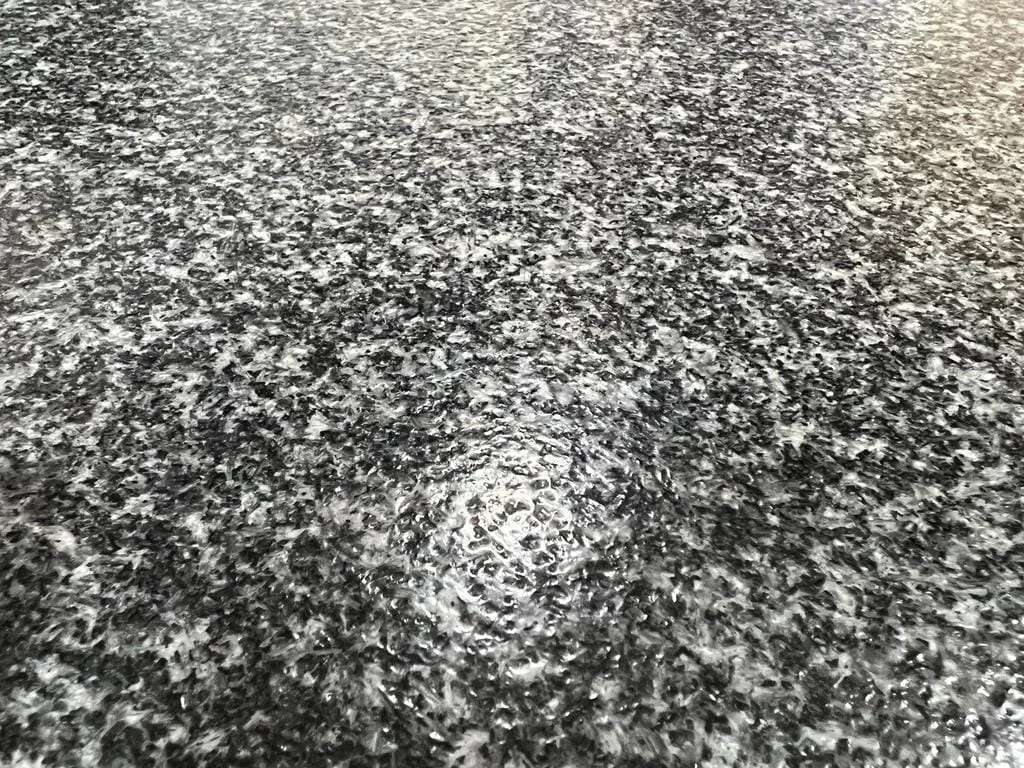
Thai Black Granite is a well-known and high-demand black granite in the international stone market. This material is globally recognized under different trade names depending on the region. In the European market, it is popularly known as Royal Black Granite. In China, the same granite is called M13 Black, while in Italy it is referred to as Tiger Black Granite. In Thailand and many Southeast Asian markets, it is widely known as Thai Black Granite.
Thai Black Granite, despite naming conventions suggesting Southeast Asian origin, primarily sources from Indian quarries producing this deep charcoal to jet black granite variety. The stone exhibits uniform dark coloring with minimal mineral intrusions creating solid chromatic fields suitable for applications demanding monochromatic darkness. Fine crystalline structure composed predominantly of biotite and amphibole minerals delivers consistent black appearance throughout. Compression testing reveals exceptional strength ratings while density measurements confirm superior mass contributing to excellent durability. Thai Black competes directly with premium black varieties including Absolute Black, serving markets prioritizing visual solidity. Commercial naming reflects historical marketing rather than geographical accuracy, with Indian production dominating current international supply chains.
Thai Black Granite is often evaluated against Absolute Black Granite when buyers want a deep black surface with consistent grain.
Thai Black Granite, Royal Black Granite, M13 Black Granite, Tiger Black Granite etc.
For export projects, Thai Black Granite is sometimes chosen as an alternative to Royal Black Granite based on availability and finish preference.
Parameter | Description |
| Slab Sizes | Cutter Slabs: 180 x 60 CM up in 2, 3 CM, and other |
| Tiles | 30×30, 30×60, 40×40, 60×40, 60×60, 60 x 90, 60×120 CM in various thicknesses and custom sizes |
| Thickness | 6 mm, 18 mm, 20 mm, 30 mm & custom options |
| Others | Window sills, thresholds, monuments, steps & treads, flagstones, & articles available in custom sizes |
| Finishes | Polished, honed, leathered, bush hammered, lapotra, flamed, shotblasted |
| Place of Origin | South India |
Polished, honed, leathered, bush hammered, Lapotra, flamed, shotblasted etc.
Thai Black Granite is reviewed alongside G20 Bengal Black Granite for applications that demand durability with a dark, bold appearance.
Thai Black Granite addresses installation contexts where solid darkness fulfills functional and compositional requirements:
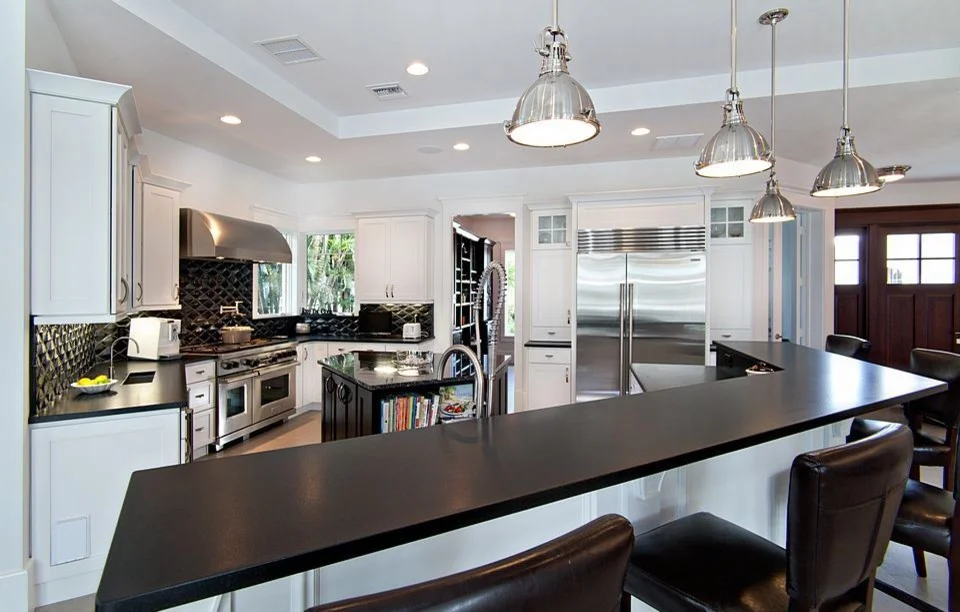
Modern Kitchens – Anchors contemporary culinary designs emphasizing high contrast, particularly effective against white cabinetry creating graphic definition.
Corporate Interiors – Furnishes executive offices and boardrooms where dark stone communicates authority and institutional gravity through material solemnity.
Memorial Installations – Dominates monument and headstone applications where cultural associations between black stone and commemoration drive material selection.
Luxury Bathrooms – Creates spa-like environments through dark calming surfaces suggesting depth and mystery in upscale residential applications.
Commercial Flooring – Provides wear-resistant surfaces in retail and hospitality lobbies where dark tones conceal traffic patterns while maintaining upscale appearance.
Laboratory Counters – Serves scientific environments requiring non-porous chemical-resistant surfaces where dark coloring helps identify contaminants.
In contemporary designs, Thai Black Granite pairs well with Steel Grey Granite to introduce contrast without moving away from neutral tones.
Thai Black Granite offers benefits rooted in chromatic consistency and material performance:
Color Uniformity – Minimal pattern variation simplifies large installations requiring visual consistency across extensive square footage.
Contrast Maximization – Deep darkness provides ultimate counterpoint to white elements enabling dramatic graphic compositions in contemporary architecture.
Soil Concealment – Dark coloring naturally hides dust and operational soiling extending apparent cleanliness between maintenance cycles.
Formality Projection – Cultural associations position black granite as serious professional material supporting corporate and institutional brand identity.
Specification Simplicity – Minimal variation reduces selection uncertainty; buyers receive predictable results rather than gambling on pattern outcomes.
Supply Reliability – Established Indian production ensures consistent availability despite “Thai” commercial naming.
Clients comparing uniform black stones often consider Thai Black Granite before upgrading to more decorative options like Black Galaxy Granite.
Thai Black Granite demands particular attention to maintenance practices revealing differently on dark polished surfaces:
Polished Surface Reality – Acknowledge that polished black granite reveals water spots, fingerprints, and streaking more than any other finish; expectations management prevents dissatisfaction.
Cleaning Protocol – Glass cleaners formulated for stone often outperform generic stone cleaners on polished black producing streak-free results.
Sealing Consideration – Dense black granite requires less frequent sealing than porous stones though initial treatment prevents potential staining.
Immediate Drying – Water contact inevitably leaves marks; wiping dry after every use becomes essential if pristine appearance matters operationally.
Oil Management – Cooking oils and hand lotions create visible films requiring solvent-based cleaners for removal; prevention proves easier than remediation.
Professional Refinishing – Accumulated dulling or scratching responds to professional repolishing restoring mirror-like reflectance when damage exceeds acceptable levels.
Thai Black Granite is preferred in minimal layouts, while Titanium Black Granite is selected when dramatic movement is required.
Property | Details |
| Origin | Thailand (primarily from quarries in northeastern Thailand, particularly Nakhon Ratchasima province) |
| Color | Solid black to jet black background with minimal to no visible flecking; very uniform appearance; extremely low variation |
| Mineral Composition | Quartz (15-25%), Feldspar (40-50%), Biotite and Amphibole (25-35%, providing deep black color), Pyroxene, minor accessory minerals |
| Classification | Igneous rock – Plutonic granite/gabbro (fine to medium-grained basic/melanocratic granite) |
| Density | 2,900 – 3,100 kg/m³ (2.90 – 3.10 g/cm³) – Very dense due to high dark mineral content |
| Porosity | Very low: 0.1 – 0.4% (by volume) |
| Water Absorption | Very low: 0.03 – 0.15% (by weight) per ASTM C97 |
| Compressive Strength | 1,900 – 2,800 kg/cm² (186 – 275 MPa / 27,000 – 40,000 psi) |
| Flexural Strength | 150 – 280 kg/cm² (15 – 28 MPa / 2,175 – 4,060 psi) per ASTM C880 |
| Mohs Hardness | 6 – 7 (hard, highly scratch-resistant) |
| Frost Resistance | Excellent – ideal for exterior use in all climates including severe freeze-thaw environments |
| Acid Resistance | Good to Very Good – resistant to most household acids; significantly better than marble |
| Heat Resistance | Excellent – withstands very high temperatures (up to 300°C / 572°F continuous); superior heat resistance |
| Abrasion Resistance | Very High: 29 – 37 on Hardness Abrasion (HA) scale per ASTM C241 |
| Stain Resistance | Excellent – extremely low porosity provides superior natural stain resistance; sealing optional |
BBV Impex sources Thai Black Granite from established Indian quarries producing consistent dark coloring meeting international black granite specifications. Quality verification assesses chromatic uniformity, structural soundness, and finish-holding capacity before approval. As a granite supplier understanding commercial naming conventions, we provide transparent origin documentation. Processing capabilities execute precision fabrication maintaining polished finish quality essential to material positioning. Export operations incorporate protective film application and strategic padding preventing transit marking. Documentation services manage certifications, customs processes, and coordinated delivery. Technical support provides realistic maintenance expectations, finish care protocols, and lighting strategies appropriate to polished dark granite operational realities.
For mixed-surface projects, Thai Black Granite is sometimes balanced with Vizag Blue Granite to break monotony while keeping a dark palette.
Frequently Asked Questions
Why is it called Thai Black if it originates from India?
Commercial naming reflects historical marketing rather than geographical accuracy. “Thai Black” became established trade name though current production predominantly occurs in India. Always verify actual origin rather than assuming names indicate source.
How does Thai Black differ from Absolute Black or Royal Black?
Minimal visual distinction—all deliver solid black appearance with fine grain. Differences reflect sourcing and marketing more than performance. Verify actual darkness rather than assuming names guarantee specific characteristics.
Why does polished Thai Black show every water drop when honed surfaces don't?
Reflective dark surfaces reveal mineral deposits through high contrast between black stone and light calcium residue. Physics rather than material defect. Choose honed finish if spotting causes operational concern.
Can Thai Black work in traditional settings or exclusively modern contexts?
While naturally suited to contemporary aesthetics, black granite appears historically in Victorian and Art Deco periods. Traditional applications succeed when black functions as intentional accent rather than attempting warm integration.
What causes some Thai Black slabs to show grey patches or lighter zones?
Mineral variation within quarry deposits produces different darkness levels. Premium selection prioritizes uniform blackness while economy grades accept greater variation. Specify desired consistency and view actual material.
Should I choose polished or honed Thai Black for kitchen counters?
Depends on priorities—polished delivers visual drama but demands constant wiping; honed forgives operational reality but sacrifices depth. Honest assessment of maintenance commitment determines appropriate choice.
Does Thai Black require special installation techniques beyond standard granite?
Standard installation protocols apply though dark surfaces show fabrication flaws like lippage more obviously than light stone. Quality installation matters more visibly than with forgiving materials masking imperfections.
How should lighting be designed when Thai Black dominates spatial surfaces?
Dark surfaces absorb rather than reflect light—plan for 30-50% more illumination than equivalent spaces with light materials. Under-cabinet and task lighting become essential rather than optional additions.