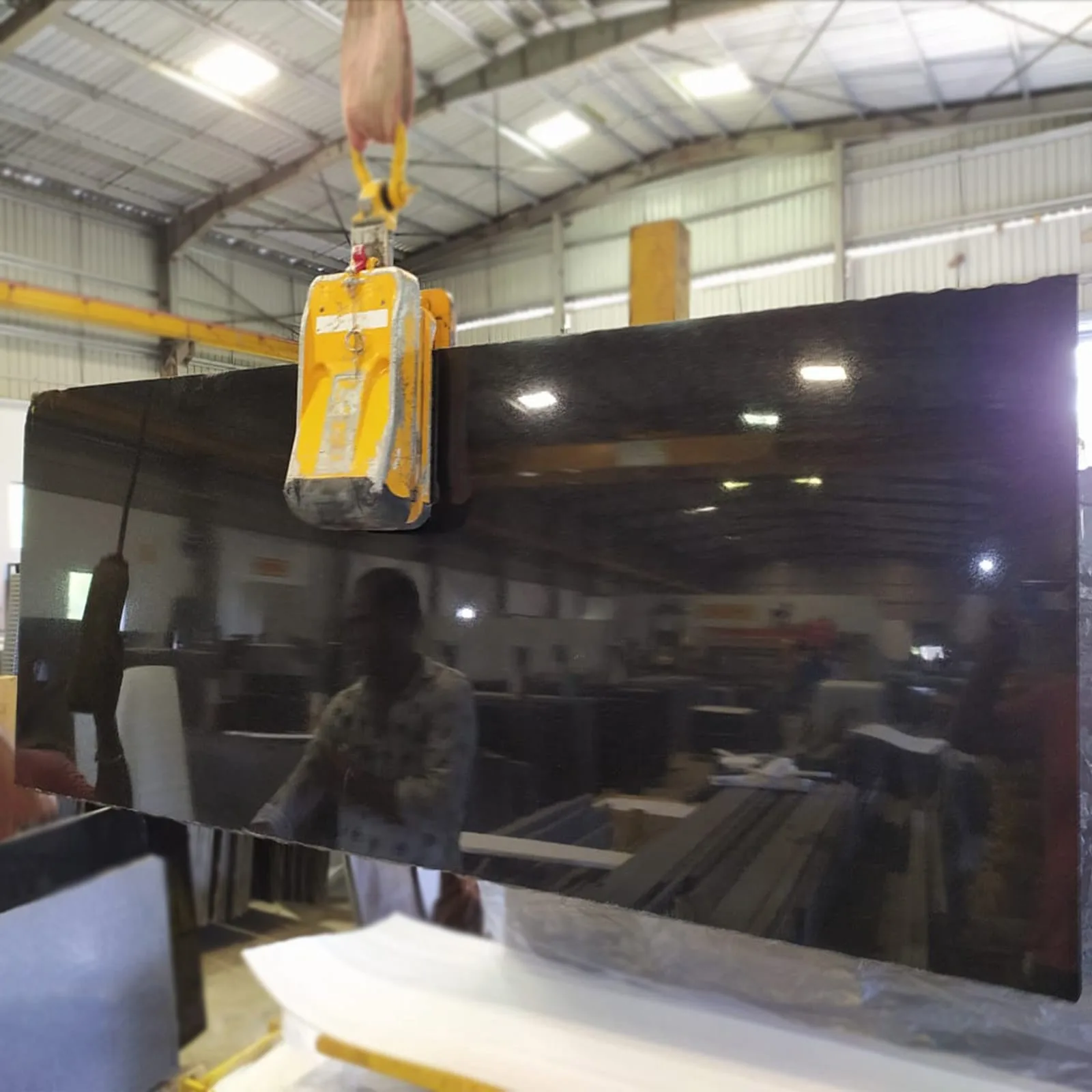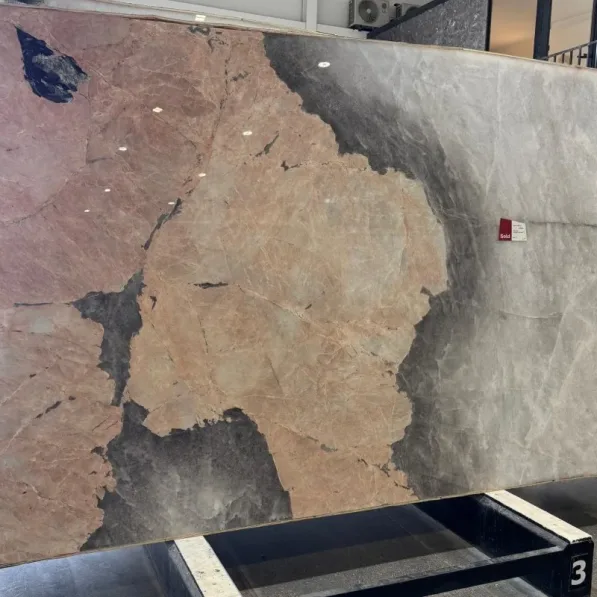

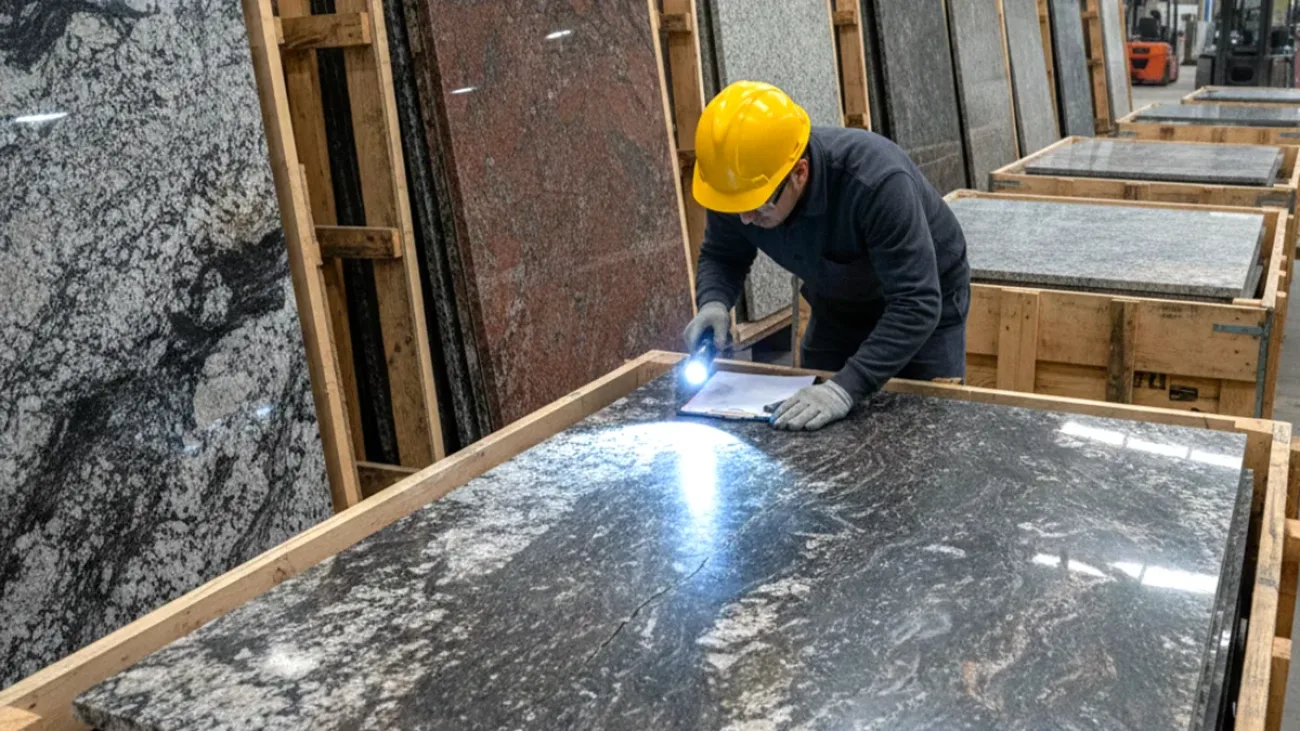
Granite shipments rarely get rejected because of a single obvious defect. In most cases, rejection happens when the material arriving at the destination fails to match the buyer’s expectations, technical specifications, or agreed tolerances. International buyers inspect shipments not only for visual appearance but also for dimensional accuracy, consistency, durability, and packing integrity. Even small oversights during quarry selection, slab processing, inspection, or container loading can create problems that become visible only when the container is opened at the destination.
Understanding the most common rejection triggers helps prevent costly disputes, container returns, insurance claims, and damage to long-term trade relationships.
1. Shade Variation Beyond Approved Range
Granite is a natural material, but buyers still expect controlled color consistency within the approved sample range. Shade variation is one of the most common reasons shipments are rejected.
Problems usually arise when blocks from different quarry benches are processed together without proper segregation. Even within the same quarry, geological layers can produce noticeable tone differences. When slabs from different shades are mixed in the same bundle, the variation becomes obvious once unpacked.
Professional exporters prevent this issue through:
- Strict block segregation during quarry selection
- Processing slabs from the same block lot together
- Maintaining shade reference samples approved by the buyer
- Bundle-level color grouping during packing
Large projects such as hotels, malls, and commercial buildings require visual continuity. If shade variation exceeds what the buyer approved, entire bundles may be rejected even if the stone quality itself is acceptable.
2. Thickness Variation Outside Tolerance
Dimensional tolerance is critical for installers and fabricators. Granite slabs or tiles that vary significantly in thickness create serious installation problems.
For example:
- 20 mm slabs arriving with variations between 17 mm and 23 mm
- Tiles that differ more than the acceptable tolerance across a shipment
- Warped slabs creating inconsistent thickness after cutting
These variations often originate from poor calibration during processing or worn grinding heads in the polishing line.
Professional factories control thickness using:
- Multi-head calibration machines before polishing
- Regular gauge checks during production
- Batch-wise measurement records
Installers working on large flooring or wall projects rely on uniform thickness. Excessive variation leads to uneven installation, higher labor costs, and project delays, making rejection a likely outcome.
3. Micro Cracks and Structural Weakness
Hairline cracks that appear insignificant at the factory can become serious issues during transportation or installation. Granite slabs with internal stress fractures may break during handling, cutting, or installation at the destination.
These cracks are often caused by:
- Natural geological fractures within the block
- Stress during quarry extraction
- Improper slab handling in the factory
- Hidden fissures that become visible only under light
Professional inspection methods include:
- Angled LED lighting to detect hairline cracks
- Surface tapping to identify hollow sounds
- Careful examination near resin-filled areas
When buyers discover structural cracks during unloading or fabrication, rejection is almost inevitable because the material cannot be safely used for the intended project.
4. Poor Surface Polishing Quality
A granite slab may look polished at first glance, but international buyers evaluate polishing quality much more critically.
Common polishing-related rejection issues include:
- Uneven gloss levels across slabs
- Orange peel texture on polished surfaces
- Visible polishing lines or machine marks
- Resin patches that appear cloudy after polishing
These problems usually result from inconsistent polishing pressure, worn abrasive heads, or poor resin treatment before finishing.
Professional exporters monitor polish quality through:
- Gloss meter testing
- Visual inspection under strong lighting
- Uniform polishing cycles across the entire batch
Architects and interior designers select granite largely for its visual appeal. If the finish appears inconsistent or dull, buyers often reject the shipment because repolishing at the destination is rarely economical.
5. Flatness and Warping Problems
Flatness is a technical parameter often overlooked until slabs reach fabrication shops. Warped or bowed granite slabs create major challenges during cutting and installation.
Flatness issues commonly occur when:
- Slabs are cut too thin from stressed blocks
- Improper drying after resin treatment causes distortion
- Slabs are stacked unevenly during storage
Even slight warping can lead to:
- Cutting inaccuracies during fabrication
- Installation gaps in flooring
- Structural instability in countertops or cladding
Professional processing facilities check slab flatness using straight-edge tools and calibrated measurement equipment before packing.
Fabricators depend on flat slabs for precise cutting. When slabs arrive warped, the material becomes difficult to process and may lead to shipment rejection.
6. Inadequate Packaging and Container Loading
Even perfectly processed granite can be rejected if it arrives damaged due to poor packing or loading practices.
Common packaging failures include:
- Weak wooden bundles that break during transit
- Insufficient cushioning between slabs
- Improper crate bracing inside containers
- Missing moisture protection
Ocean freight involves constant vibration and container movement. Without strong packaging, slabs may crack, chip, or shift inside the container.
Reliable exporters follow strict packing standards such as:
- Heat-treated wooden crates for international shipping
- Foam or plastic separators between slabs
- Steel or nylon strapping for bundle stability
- Proper container blocking to prevent movement
Buyers typically document damage immediately upon opening the container. Visible transit damage often results in partial or full rejection claims.
7. Shipment Not Matching Approved Samples
Before production begins, buyers typically approve samples or slab photographs that represent the expected material quality. When the shipment arriving at the destination differs from what was approved, disputes arise quickly.
Mismatch issues may include:
- Different background color or grain pattern
- Larger mineral spots or veins not present in the sample
- Different quarry source altogether
- Texture differences between sample and shipment
This problem usually occurs when production blocks are not carefully matched with the approved reference sample.
Professional exporters maintain strict sample control by:
- Tagging blocks selected for the order
- Maintaining sample reference boards in the factory
- Sharing slab photos with buyers before shipment
When the container is opened and the material does not match the approved sample, buyers often reject the shipment because it cannot be used for the intended project design.
Trade Reality Behind Granite Shipment Rejections
Granite export involves far more than cutting stone and loading containers. Every stage — from quarry block selection to final container sealing — affects whether the shipment will meet international buyer expectations.
Rejections typically occur when quality control systems break somewhere in the chain: block selection, calibration, polishing, inspection, or packaging. Experienced natural stone exporter treat each stage as a critical checkpoint rather than relying on final inspection alone.
In international stone trade, a single rejected container can damage supplier credibility, disrupt project timelines, and create costly financial losses. Preventing these problems depends on strict technical control, disciplined production management, and a clear understanding of what global buyers actually expect when granite arrives at their port.