
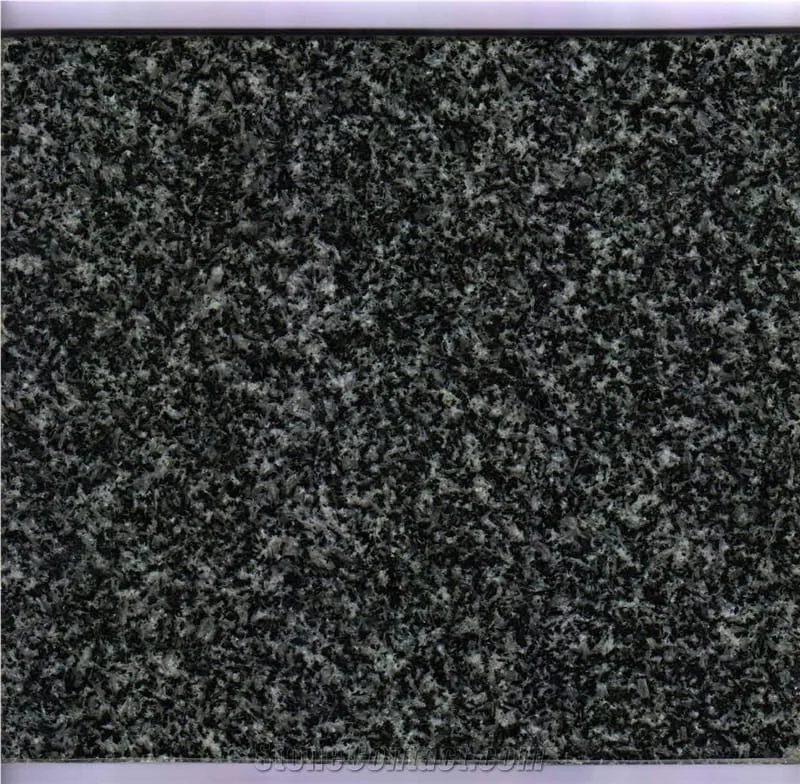
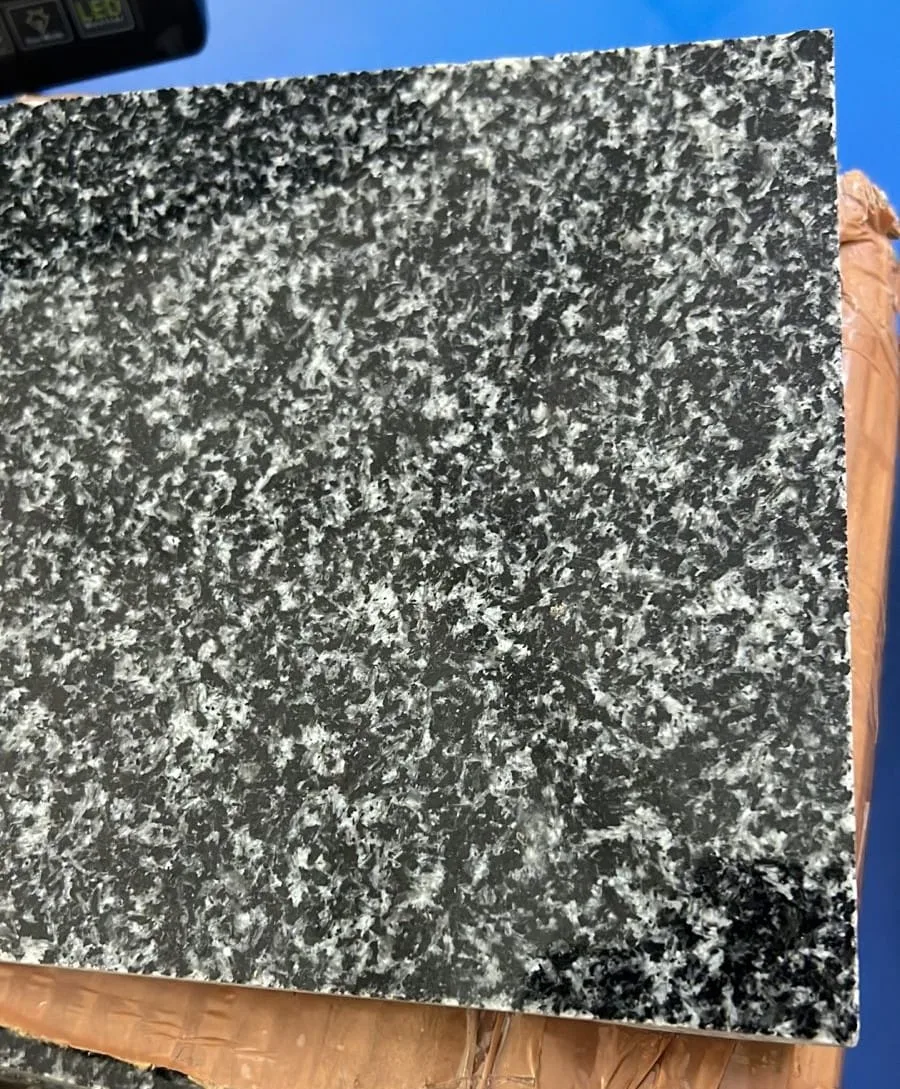
Royal Black M13 Granite
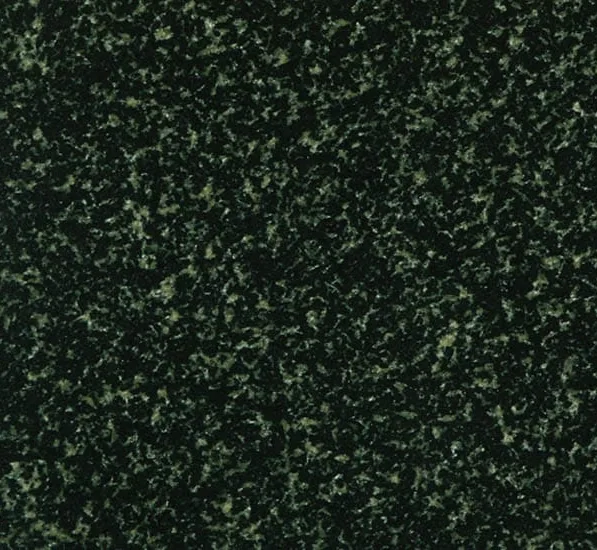
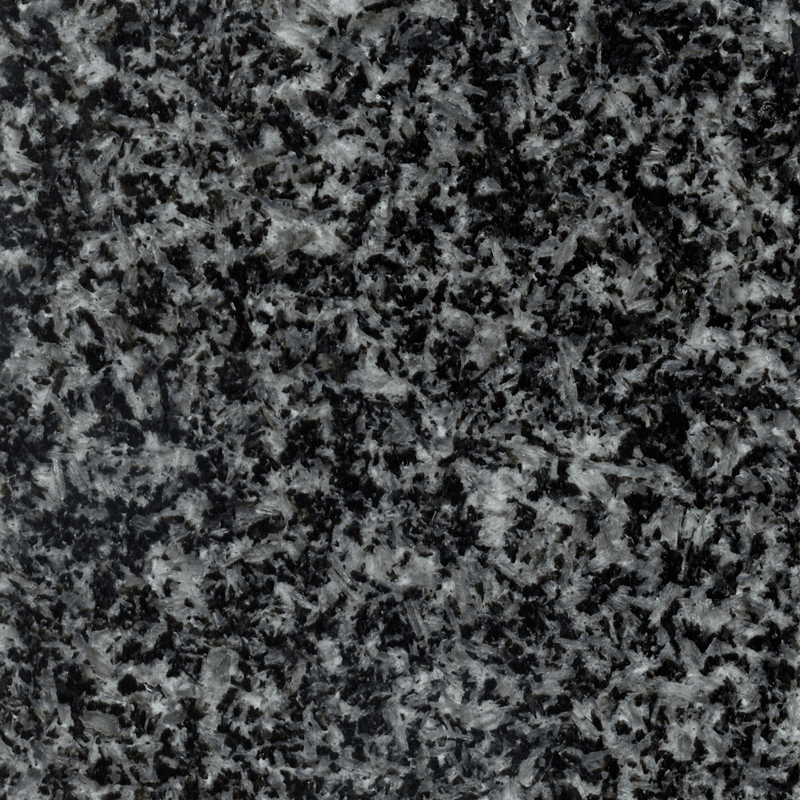
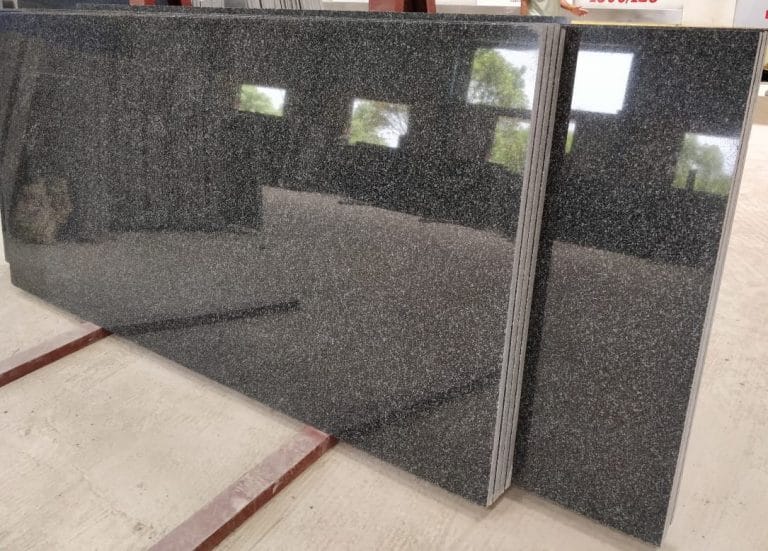
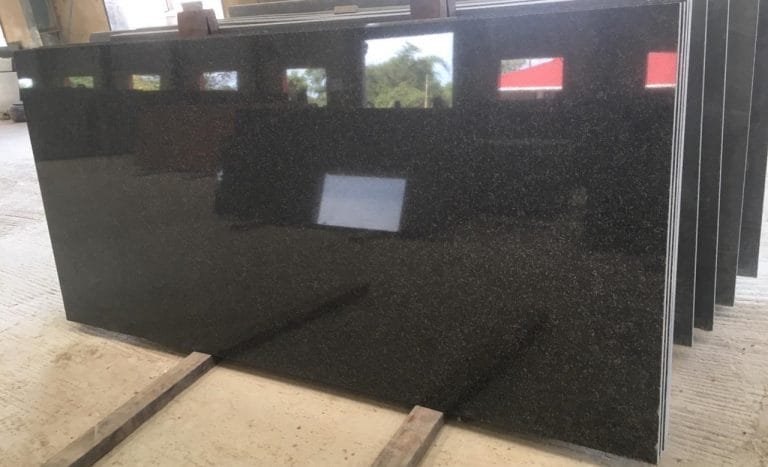
Royal Black M13 Granite is a premium Indian black granite known for its deep black color, fine grain, and consistent texture. It is widely used for kitchen countertops, flooring, wall cladding, bathroom vanities, and exterior applications due to its durability and low maintenance. Supplied in slabs, tiles, and custom sizes, this stone is polished, honed, leathered, or flamed to suit different design needs. At BBV Impex, we provide export-quality Royal Black M13 Granite, sourced from trusted quarries, making it a reliable choice for both residential and commercial projects.
Royal Black M13 Granite, commercially marketed as Thai Black Granite, emerges from Indian quarries despite naming conventions suggesting Southeast Asian origin. This stone exhibits deep charcoal to jet black coloring with minimal mineral intrusions, presenting among the most uniform dark granites available internationally. Fine crystalline structure composed predominantly of biotite and amphibole minerals creates consistent chromatic field interrupted occasionally by subtle grey flecking. Compression testing reveals exceptional strength ratings, while density measurements confirm superior mass contributing to excellent durability. The material serves applications demanding visual solidity without pattern distraction, competing directly with Absolute Black in markets prioritizing monochromatic darkness.
Royal Black M13 Granite is often chosen as a value-driven alternative, while Absolute Black Granite attracts buyers looking for an ultra-pure jet-black finish.
Tiger Black Granite, Indian Royal Black, R Black Granite, Premium Black Granite, M13 Black Granite, Thai Black Granite, Black Thai Granite, 皇家黑 (Huángjiā Hēi), Mongolia Black Granite, Neimenggu Black Granite etc.
For heavy-duty projects, G20 Bengal Black Granite is frequently assessed alongside Royal Black M13 Granite due to its strength and consistent dark appearance.
Parameter | Description |
| Slab Sizes | Gangsaw Slabs: 260 x 160 cm up in 2 cm,3 cm,5 cm,6 cm,7 cm,8 cm & 10 cm, and other Cutter Slabs: 180 x 60 cm up in 2 cm,3 cm, 5 cm, 6 cm, 7 cm, 8 cm & 10 cm; Small Slabs: below 180 cm x 60 cm up; Mini Ganshaw: 200 cm up x 100 cm up; Big Slabs: 260 CM up X 160 CM up |
| Tiles | 30×30, 30×60, 60×60 cm in various thicknesses and custom sizes |
| Thickness | 6 mm, 18 mm, 20 mm, 30 mm & custom options |
| Others | Window sills, thresholds, monuments, steps & treads, flagstones, and articles available in custom sizes |
| Finishes | Polished, honed, leathered, bush hammered, lepatora, flamed, shotblasted |
| Place of Origin | South India |
Royal Black M13 Granite responds to finishing treatments emphasizing different dimensional and optical properties:
Polished, honed, leathered, bush hammered, lepatora, flamed, shotblasted etc.
Clients wanting visual sparkle instead of a plain surface often move from Royal Black M13 Granite to Black Galaxy Granite, known for its gold mineral flecks.
Royal Black M13 Granite addresses installation contexts where solid darkness serves functional or compositional requirements:
Modern Kitchens – Anchors contemporary culinary designs emphasizing high contrast, particularly effective against white cabinetry where black granite creates graphic definition rather than neutral transition.
Corporate Interiors – Furnishes executive offices and boardroom surfaces where dark stone communicates authority, permanence, and institutional gravity through material solemnity.
Memorial Work – Dominates monument and headstone applications where cultural associations between black stone and commemoration drive material selection beyond purely aesthetic considerations.
Luxury Bathrooms – Elevates spa-like environments through dark surfaces suggesting depth and mystery, particularly effective in powder rooms where concentrated material impact creates memorable guest experiences.
Commercial Flooring – Provides wear-resistant surface in retail and hospitality lobbies where dark tones conceal traffic patterns better than lighter alternatives while maintaining upscale appearance.
Laboratory Counters – Serves scientific environments requiring non-porous chemical-resistant surfaces where dark coloring helps identify contaminants against contrasting background.
In commercial flooring and outdoor areas, Steel Grey Granite is sometimes selected when a slightly lighter yet uniform tone is preferred over Royal Black M13 Granite.
Royal Black M13 Granite delivers performance characteristics and aesthetic qualities distinguishing it within dark granite categories:
Chromatic Consistency – Minimal pattern variation between slabs simplifies large installations requiring visual uniformity, contrasting with heavily figured stones where matching becomes complicated.
Contrast Maximization – Deep darkness provides ultimate counterpoint to white elements, enabling dramatic graphic compositions impossible with medium-toned materials occupying intermediate values.
Soil Concealment – Dark surfaces mask dust, dirt, and wear patterns extending apparent cleanliness between maintenance cycles, practical advantage in operational environments with irregular housekeeping.
Formality Projection – Cultural associations position black granite as serious professional material rather than casual residential option, supporting brand identity objectives in commercial contexts.
Scratch Visibility – Ironically, while black shows scratches as light lines, the uniform surface makes damage less visually disruptive than on stones where scratches interrupt complex patterns.
Specification Simplicity – Minimal variation reduces selection uncertainty; clients receive predictable results rather than gambling on pattern outcomes inherent with figured stones.
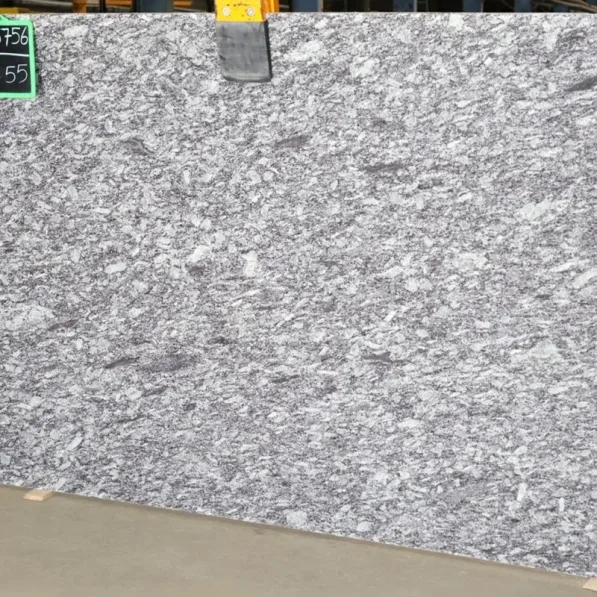
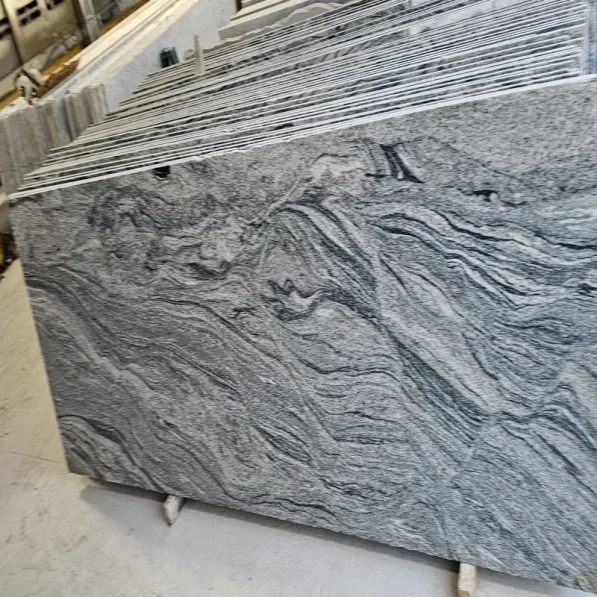
Designers seeking movement and contrast compare Silver Waves Granite with Royal Black M13 Granite to balance dramatic patterns against solid black surfaces.
Royal Black M13 Granite demands particular attention to maintenance practices revealing differently on dark polished surfaces:
Polished Surface Reality – Accept that polished black granite shows water spots, fingerprints, and streaking more than any other stone finish; managing expectations prevents satisfaction issues inherent to the aesthetic.
Cleaning Protocol – Glass cleaners formulated for stone often outperform generic stone cleaners on polished black, producing streak-free results; microfiber cloths essential for preventing lint residue.
Sealing Consideration – Dense black granites require less frequent sealing than porous stones, though initial treatment prevents potential staining in rare mineral inclusions or microfissures.
Immediate Drying – Water contact inevitably leaves marks on polished surfaces; wiping dry after every use becomes non-negotiable if maintaining pristine appearance matters to operational standards.
Oil Management – Cooking oils and hand lotions create visible films on black surfaces requiring solvent-based cleaners for removal; preventing contact proves easier than remediation.
Restoration Options – Professional repolishing can revive dulled or scratched surfaces when accumulated damage exceeds acceptable thresholds, offering renewal pathway short of replacement.
For warm-toned contrasts in countertops and staircases, Tan Brown Granite pairs effectively with the deep black shade of Royal Black M13 Granite.
Property | Details |
| Origin | Primarily quarried in India (Andhra Pradesh state) |
| Color | Deep black to jet black with minimal to no veining |
| Mineral Composition | Plagioclase feldspar (40-50%), Pyroxene (30-40%), Hornblende (10-15%), Magnetite |
| Classification | Igneous rock – Gabbro (not technically granite, but marketed as such) |
| Density | 2.88 – 3.02 g/cm³ (180-188 lbs/ft³) – denser than typical granite |
| Porosity | Very low (0.2% – 0.4%) |
| Water Absorption | 0.08% – 0.22% by weight (ASTM C97) |
| Compressive Strength | 1,800 – 2,400 kg/cm² (25,600 – 34,100 psi) |
| Flexural Strength | 135 – 225 kg/cm² (1,920 – 3,200 psi) |
| Mohs Hardness | 6.5 – 7 (very hard, highly scratch resistant) |
| Frost Resistance | Excellent (very low water absorption) |
| Acid Resistance | Good to excellent (minimal etching risk) |
| Heat Resistance | Excellent (up to 500°C/932°F) |
| Abrasion Resistance | Very high (excellent for high-traffic flooring) |
| Stain Resistance | Excellent when sealed (dark color naturally hides stains) |
BBV Impex sources Royal Black M13 from quarries producing consistent dark coloring meeting international specifications for premium black granite. Our quality verification assesses chromatic uniformity, structural soundness, and finish-holding capacity before material enters production workflows. Processing partnerships execute precise fabrication including complex templating and specialized edge treatments while maintaining the polished finish quality essential to this material’s market positioning. Export protocols address black granite’s particular vulnerability to surface marking through protective film application, strategic padding, and fumigation-compliant packaging preventing transit damage. Documentation services manage certification requirements, customs processes, and coordinated delivery aligned with installation schedules. Technical support provides finish maintenance guidance, realistic performance expectations, and long-term care protocols specific to polished black granite operational realities.
In monument and exterior projects, Jhansi Red Granite is often evaluated alongside Royal Black M13 Granite for its durability and bold color presence.
Frequently Asked Questions
How does Royal Black M13 differ from Absolute Black given similar appearance?
Sourcing differs though visual distinction proves minimal—both deliver solid black with fine grain. Price variation often reflects quarry economics rather than performance differences. Verify actual slab appearance rather than assuming names guarantee outcomes.
Why does polished black granite show every water drop when other stones don't?
Physics—reflective black surfaces reveal mineral deposits and water marks through high contrast between dark stone and light calcium residue. This is material reality, not defect. Choose honed finish if spotting causes concern.
Can Royal Black work in traditional settings or is it exclusively modern?
While naturally suited to contemporary aesthetics, black granite appears in historical contexts including Victorian and Art Deco periods. Traditional applications succeed when black functions as intentional accent rather than attempting warm integration.
What causes some Royal Black slabs to show grey patches or lighter zones?
Mineral variation within quarry deposits produces different darkness levels. Premium selection prioritizes uniform blackness while economy grades accept greater variation. Specify desired consistency and view actual material before approval.
Should I choose polished or honed Royal Black for kitchen counters?
Depends on priorities—polished delivers visual drama but demands constant wiping; honed forgives operational reality but sacrifices depth. No right answer exists beyond honest assessment of maintenance commitment.
Does Royal Black require special installation techniques beyond standard granite protocols?
Installation follows conventional practices though dark surfaces show fabrication flaws like lippage more obviously than light stone. Quality installation matters more visibly than with forgiving materials masking imperfections.
How should lighting be designed when Royal Black dominates spatial surfaces?
Dark surfaces absorb rather than reflect light—plan for 30-50% more illumination than equivalent spaces with light materials. Under-cabinet and task lighting become essential rather than optional.
Can Royal Black be book-matched or does uniform appearance make this unnecessary?
Book-matching produces symmetry even in uniform materials, though effect proves subtler than with figured stones. Technique works when adjacent slabs come from sequential quarry cuts.