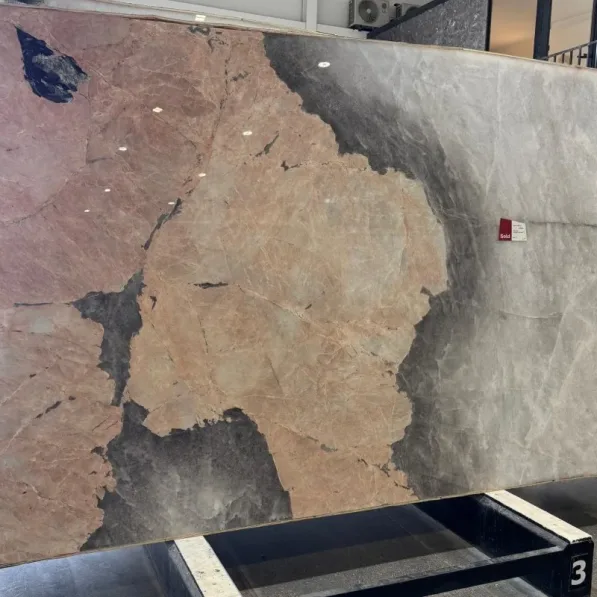


Black granite is often sold under the promise of uniformity. International buyers expect visual consistency across slabs, shipments, and repeat orders. In export trade, even slight shade deviation can trigger claims, rejections, or price renegotiation. Controlling shade variation does not begin at the polishing line; it begins at the quarry face and continues until the container doors are sealed.
Understanding the Source of Shade Variation
Shade variation in black granite blocks originates from geological formation, not processing errors. Even within a single quarry, mineral concentration, cooling rate, and micro-fracture density change from one extraction zone to another. These variations influence:
- Depth of black tone
- Presence of grey clouding
- Brown or green undertones
- Reflectivity after polishing
A block extracted just 20 meters away from another can present a noticeably different visual mass when cut into slabs. Treating black granite as a single-color commodity without geological mapping leads directly to inconsistency in bulk exports.
Quarry-Level Shade Segregation
Shade control must begin at extraction. Blocks should be classified immediately after wire-saw cutting, before dispatch to the processing yard. Professional quarry management follows a structured segregation method:
1. Bench-Wise Identification
Each quarry bench produces material with distinct mineral density. Blocks must be tagged according to bench level and extraction zone. Mixing benches in stockyards is the fastest way to lose shade consistency.
2. Wet Surface Evaluation
Dry granite misrepresents shade depth. Every block should be evaluated under water spray to simulate polished appearance. Export-grade sorting is done only after wet inspection in natural daylight.
3. Digital Shade Referencing
Maintaining high-resolution photographs of wet block surfaces under standardized lighting helps establish internal shade codes. Large exporters create internal grading systems such as:
- Deep Jet Black
- Standard Commercial Black
- Slight Grey Tone
Without grading codes, sales teams cannot promise consistent supply to repeat buyers.
Block Selection for Specific Market Requirements
Different markets tolerate different shade ranges.
- North American commercial projects often demand tight uniformity across flooring batches.
- Middle Eastern projects may accept slight tone movement if polishing depth is high.
- European fabricators typically request pre-shipment slab photos for shade approval.
Exporters must align quarry selection with the end-use requirement. Sending mixed-shade blocks to a factory without a project allocation plan leads to slab inventory that cannot be matched later.
Slab Production Planning and Shade Matching
Once blocks reach the gang saw or multi-wire line, production planning determines final uniformity.
Controlled Batch Cutting
Blocks of the same shade grade must be processed together. Mixing grades on the same cutting schedule creates slab bundles that cannot be grouped consistently.
Sequential Slab Marking
Each slab should be marked sequentially during cutting. This allows bundle formation based on continuity of tone. Sequential control is critical when buyers require book-matched or project-based supply.
Thickness and Calibration Impact
Uneven thickness affects light reflection. Even if mineral shade is consistent, variation in calibration (±1 mm tolerance) can change how light interacts with the surface, making slabs appear darker or lighter. Precision calibration ensures visual consistency across bundles.
Polishing Influence on Shade Perception
Polishing quality significantly alters perceived shade.
- Lower grit termination produces a duller, grey appearance.
- Overheating during polishing can create micro-burn marks, slightly altering tone.
- Inconsistent pressure across the slab head results in reflective variation.
High-gloss black granite for export should consistently achieve 85+ gloss units when measured with a gloss meter. Without measurable gloss control, shade claims become subjective and difficult to resolve.
Artificial Enhancement and Risk Management
Some suppliers apply resins or darkening agents to improve black intensity. This practice introduces long-term risk:
- Color may fade after installation.
- Surface appearance may change after re-polishing.
- Buyers may reject shipments during inspection if enhancement is detected.
For premium export markets, shade control should rely on natural selection rather than surface enhancement. If resin treatment is applied for micro-fissure filling, it must not be used to artificially deepen color.
Pre-Dispatch Shade Audit
Before packing, slabs should undergo structured visual auditing.
Controlled Lighting Inspection
Inspection under both natural daylight and white LED lighting helps detect undertone differences that may not appear under one light source alone.
Bundle Uniformity Check
Each bundle must be reviewed as a complete set, not slab by slab. A single darker slab within a crate can compromise project uniformity.
Buyer Reference Sample Matching
Maintaining a master reference sample approved by the buyer is essential. Every shipment should be compared against that reference to ensure continuity across repeat orders.
Documentation and Buyer Communication
Export-level shade control also requires documentation discipline.
- Shipment photos showing complete bundles
- Block numbers linked to slab bundles
- Shade grade mentioned in commercial invoice
- Inspection reports signed before container sealing
Professional buyers expect traceability. When a distributor reorders after six months, being able to identify the original quarry bench and block grade prevents mismatch disputes.
Packaging and Container Considerations
Shade perception can change due to moisture during transit. Poor packaging practices create problems:
- Water ingress can temporarily darken slabs.
- Inadequate drying before packing can create uneven appearance upon arrival.
Granite slabs must be fully dry before packing. Proper fumigated wooden crates with internal plastic wrapping prevent moisture contamination during sea freight.
Managing Repeat Supply Consistency
Large commercial projects often require phased shipments. Shade consistency across months demands disciplined stock control:
- Reserve matching blocks for the entire project durati
- Avoid selling remaining blocks of the same shade to other buyers.
- Maintain quarry production forecasting aligned with project timelines.
Failing to secure matching inventory results in visible shade transition between shipment batches — a common reason for rejection in hotel, airport, and mall projects.
Tolerance Strategy in Contracts
Shade variation must be clearly defined in proforma invoices or contracts. Professional exporters include:
- Agreed shade grade description
- Allowable minor variation clause
- Confirmation of natural stone variation characteristics
Clarity reduces conflict. Ambiguity increases claims.
Field Reality: Why Shade Claims Happen
Most shade disputes arise from:
- Mixed block processing
- Poor slab segregation
- Overpromising uniformity beyond geological limits
- Lack of buyer sample approval
Strict control at quarry, factory, and dispatch stages eliminates most of these issues.
Black granite is perceived as uniform, but in trade reality it demands tighter control than multi-colored stones. Managing shade variation is not about cosmetic sorting at the warehouse; it is a structured system that begins at extraction and ends only when the material performs visually on the client’s site.
In export business, shade consistency directly reflects supplier credibility.
About BBV Impex
BBV Impex is a leading marble and granite exporter & supplier known for its honesty, consistency, and deep understanding of natural stones. We source our materials directly from trusted quarries and deliver carefully processed slabs and blocks to clients worldwide. Our team believes in long-term relationships built on trust, quality, and commitment. From classic marbles to durable granites, every stone we supply carries the mark of fine craftsmanship and natural beauty. At BBV Impex, we don’t just trade stones — we help builders, architects, and homeowners bring their design ideas to life.