

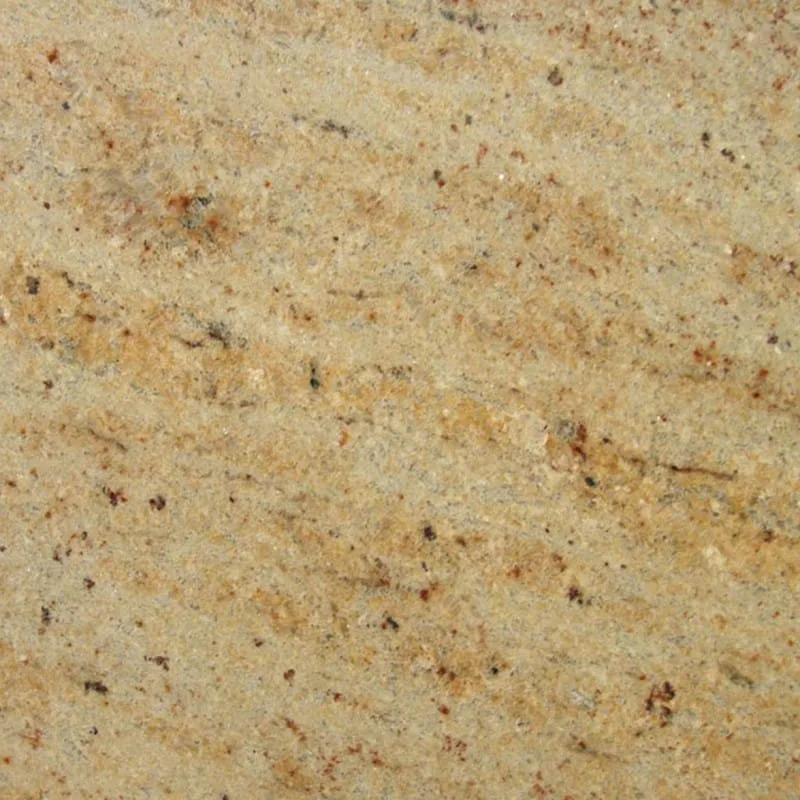
Shiva Gold Granite
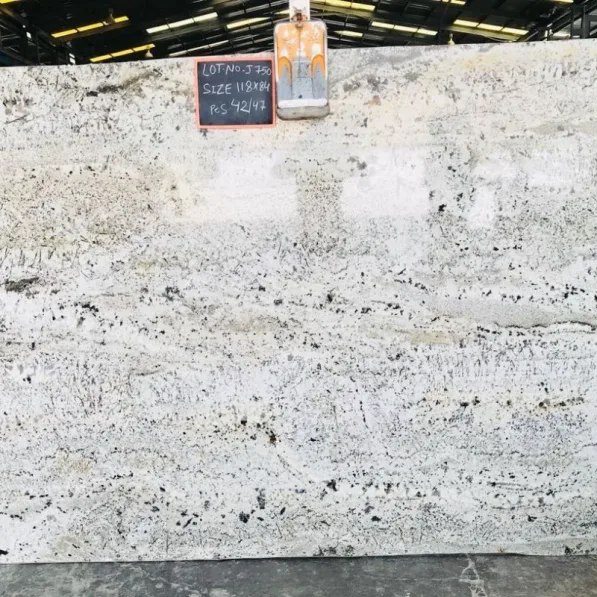
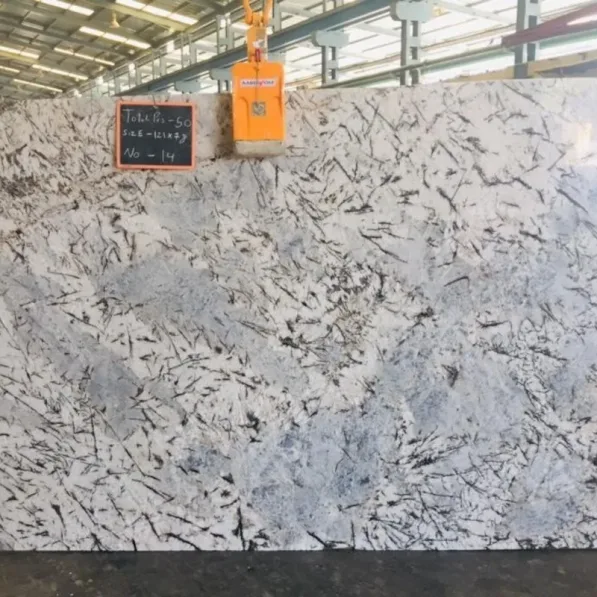
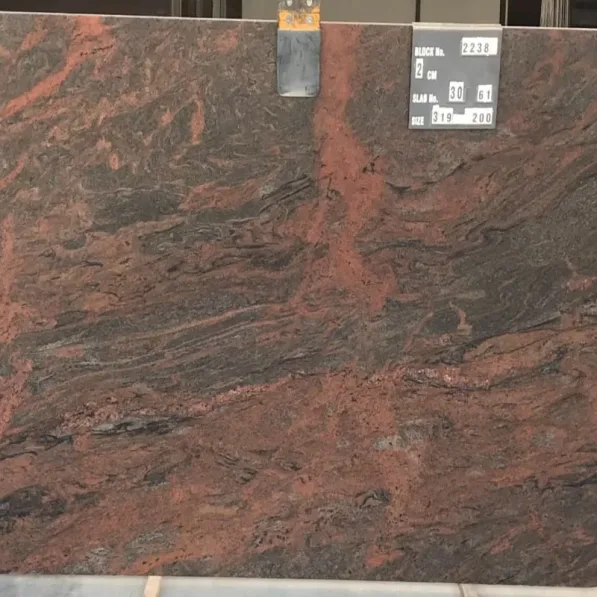
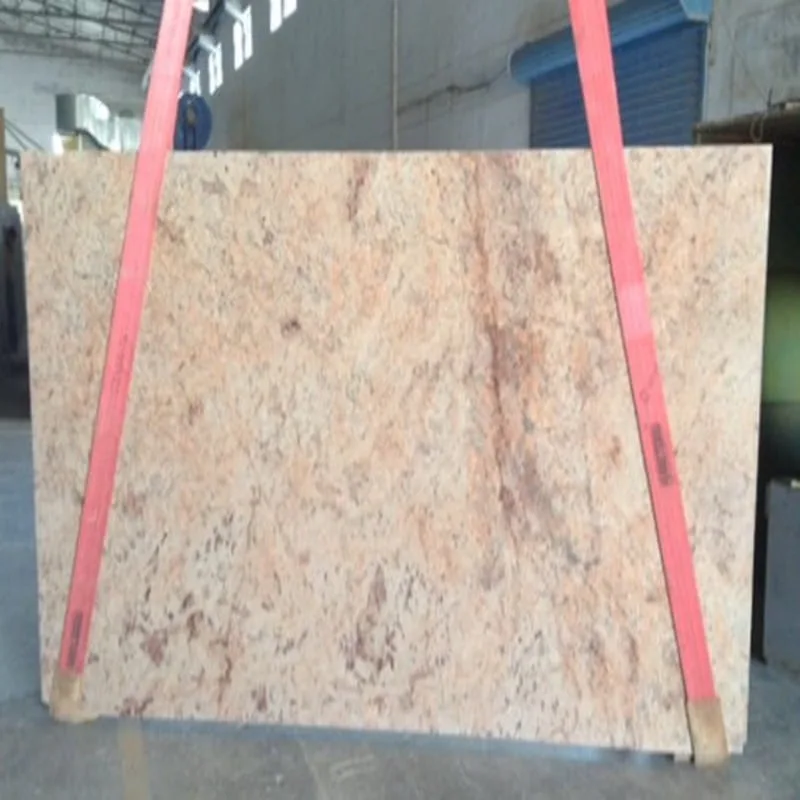
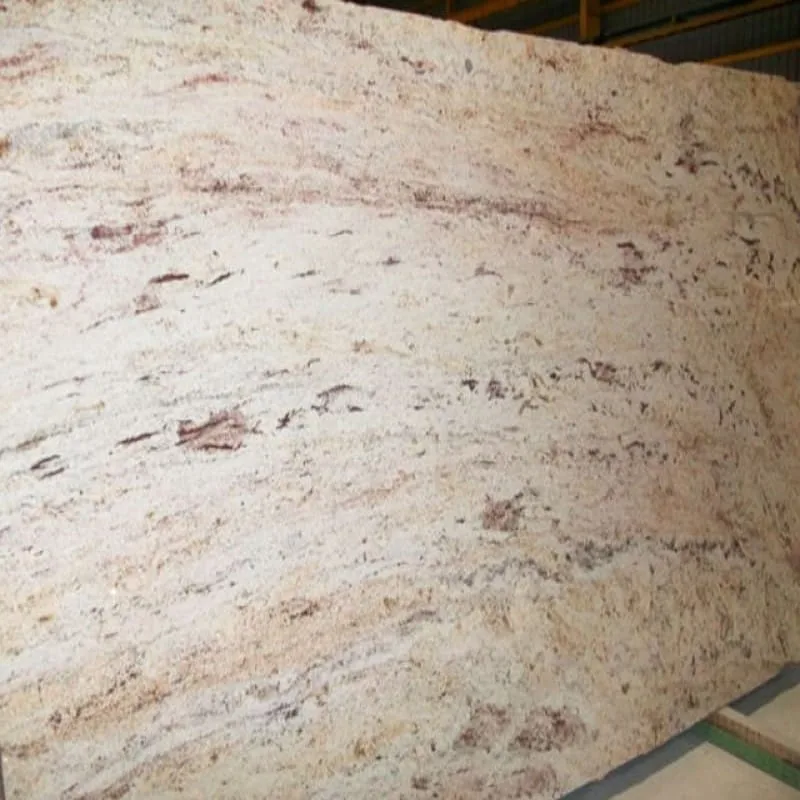
Shiva Gold Granite is a natural stone from South India with a warm golden base and flowing brown and grey veins. Known for its durability and elegant look, it is widely used for countertops, flooring, wall cladding, and bathroom vanities. BBV Impex supplies slabs, tiles, and cut sizes of export-quality Shiva Gold Granite worldwide.
Shiva Gold Granite extracts from southern Indian quarries where unique geological conditions produced this warm-toned stone distinguished by golden-beige coloring and flowing burgundy veining. The material combines cream and gold feldspathic backgrounds with prominent wine-red to burgundy mineral streams creating organic linear patterns across surfaces. Medium grain crystalline structure reveals quartz inclusions producing subtle sparkle alongside darker biotite components adding visual depth. Physical properties include adequate compression strength, moderate density figures, and controlled porosity responding effectively to sealing treatments. Shiva Gold serves markets seeking granite offering warmth and movement without the extreme pattern density characterizing more exotic varieties, positioning between plain and heavily figured alternatives.
Shiva Gold Granite is often selected for its bold flow, while Colonial Gold Granite appeals to buyers who want a softer gold tone with balanced mineral distribution.
Sivakashi Gold Granite, Shivakashi Gold Granite, Shivakasi Gold Granite, Shiva Golden Granite, Shivakashy Granite, Sivakasi Ivory Granite, Sivakasi Golden Granite, Giallo Shivakasi Granite, Giallo Shivakasy Granite, Shivakashi Yellow Granite, Summer Yellow Granite etc.
For projects that prefer smoother ivory movement, Ivory Fantasy Granite provides a calmer visual alternative to the richer veining of Shiva Gold Granite.
Parameter | Description |
| Slab Sizes | Gang Saw Slabs: 260–320 cm x 160–220 cm up in 2 & 3 cm & up in 2, 3 CM thickness Cutter Slabs: 180–240 cm x 60–100 cm up in 2 & 3 cm thickness |
| Tiles | 30 x 30 cm (12” x 12”) 60 x 30 cm (24” x 12”) 60 x 60 cm (24” x 24”)(custom sizes on request) |
| Thickness | 6 mm, 18 mm, 20 mm, 30 mm & custom options |
| Finishes | Polished, Honed, Flamed, Bush-Hammered, Sandblasted, Leathered |
| Standard Thickness | 18 MM (other thicknesses available) |
| Place of Origin | South India |
Shiva Gold Granite accommodates finishing methods revealing distinct surface characteristics and functional attributes:
Polished, Honed, Flamed, Bush-Hammered, Sandblasted, Leathered etc.
In spaces where warmth is required without heavy patterns, Millennium Cream Granite is frequently compared against Shiva Gold Granite.
Shiva Gold Granite addresses installation requirements where its particular combination of warmth and movement supports design objectives:
Traditional Kitchens – Centers culinary spaces embracing warm palettes, particularly effective with honey-toned wood cabinetry and oil-rubbed bronze hardware where material reinforces cohesive design narratives.
Bathroom Vanities – Elevates powder rooms and master baths beyond standard neutral stone, introducing gentle color and pattern creating personality without overwhelming compact spaces.
Hospitality Bars – Furnishes restaurant and hotel bar tops where golden tones suggest warmth and welcome while burgundy veining adds visual sophistication elevating guest experience.
Residential Foyers – Establishes welcoming threshold character through warm flooring that signals residential comfort rather than commercial sterility at entry transition zones.
Fireplace Features – Frames hearth openings where golden tones naturally complement flame colors while burgundy veining adds complexity preventing plain neutral blandness.
Office Reception – Softens corporate environments through warm stone selections signaling approachability while maintaining professional material quality standards.
Designers looking for beige-brown wave patterns often evaluate Colombo Juparana Granite alongside Shiva Gold Granite for large flooring layouts.
Shiva Gold Granite delivers functional benefits and aesthetic qualities emerging from geological composition and market positioning:
Temperature Warmth – Golden base tones create psychological comfort in spaces, counteracting cold impressions from grey palettes or stainless appliances dominating contemporary kitchens.
Vein Moderation – Burgundy veining provides visual interest without overwhelming pattern density, appealing to conservative tastes finding heavily figured stones excessive but plain materials boring.
Light Reflection – Lighter base colors bounce illumination effectively, contributing to brighter environments while warm tones prevent the clinical coldness sometimes accompanying white stones.
Coordination Flexibility – Works surprisingly across style boundaries—pairs naturally with traditional woodwork yet adapts to transitional designs when balanced against contemporary elements.
Aging Grace – Pattern complexity allows minor wear to integrate visually rather than appearing as obvious damage, practical consideration for long-term installations in active households.
Value Proposition – Generally prices below exotic granites while delivering substantially more character than plain beige alternatives, occupying strategic market position balancing cost against impact.
When brighter golden sparkle is desired, Crystal Yellow Granite offers a more vibrant look compared to the earthy elegance of Shiva Gold Granite.
Shiva Gold Granite benefits from maintenance approaches acknowledging lighter coloring vulnerabilities while leveraging pattern advantages:
Sealing Discipline – Lighter base tones demand consistent sealing preventing staining in porous zones; establish biannual treatment schedule or conduct absorption testing determining actual reapplication timing.
Cleaning Selection – pH-neutral stone cleaners preserve finish quality; avoid acidic formulations degrading sealer protection even though granite resists etching better than marble alternatives.
Spill Response – Golden backgrounds reveal staining more than dark granite—immediate blotting prevents oils, wine, and pigmented liquids penetrating beyond sealer depth where extraction becomes problematic.
Water Spotting – Mineral deposits from hard water show conspicuously on lighter surfaces; wiping dry after use or installing filtration systems prevents gradual dulling from calcium accumulation.
Pattern Benefit – Burgundy veining camouflages some operational evidence, extending apparent cleanliness between deep cleaning cycles compared to solid light stones showing every smudge.
Edge Care – Light stone chips appear more obvious than damage on darker materials; reasonable caution prevents cosmetic trauma requiring professional color-matched epoxy repair.
For softer interiors with a hint of warmth, Astoria Pink Granite is sometimes chosen instead of the stronger gold contrast of Shiva Gold Granite.
Property | Details |
| Origin | Primarily quarried in India (Karnataka state) |
| Color | Golden-yellow to mustard yellow base with burgundy, brown, gray, and black veining and speckles |
| Mineral Composition | Feldspar (50-60%), Quartz (25-35%), Mica (8-12%), Iron oxides, Biotite |
| Classification | Igneous rock – True granite |
| Density | 2.61 – 2.71 g/cm³ (163-169 lbs/ft³) |
| Porosity | Low to moderate (0.5% – 1.0%) |
| Water Absorption | 0.22% – 0.52% by weight (ASTM C97) |
| Compressive Strength | 1,390 – 1,920 kg/cm² (19,800 – 27,300 psi) |
| Flexural Strength | 100 – 185 kg/cm² (1,420 – 2,630 psi) |
| Mohs Hardness | 6 – 6.5 (moderately hard, durable) |
| Frost Resistance | Good to excellent (suitable for most climates) |
| Acid Resistance | Moderate (requires sealing for kitchen applications) |
| Heat Resistance | Excellent (up to 450°C/842°F) |
| Abrasion Resistance | High (suitable for flooring and countertops) |
| Stain Resistance | Moderate to good when properly sealed |
BBV Impex maintains quarry relationships throughout Shiva Gold production regions, conducting on-site material evaluation before blocks enter our inventory systems. Selection criteria emphasize balanced vein distribution avoiding both sparse and excessive burgundy concentrations that compromise aesthetic intent. Fabrication networks execute custom specifications including non-standard dimensions, detailed edge profiles, and finish requirements meeting architectural documentation. Quality assurance verifies structural integrity, finish consistency, and dimensional accuracy before export approval. Protective shipping protocols address lighter stone vulnerability through comprehensive cleaning, film barriers, and strategic padding preventing staining during international transit. Export documentation covers regulatory certifications, commercial paperwork, and logistics coordination synchronized with project timelines. Post-sale technical support provides pattern layout consultation, sealing specifications, and maintenance protocols specific to warm veined granite performance expectations.
In contrast-driven designs, Tan Brown Granite pairs well with Shiva Gold Granite, especially in staircases and countertop combinations.
Frequently Asked Questions
Does Shiva Gold coordinate better with warm or cool design palettes?
Definitively warm-leaning though not exclusively—golden base naturally supports warm schemes while burgundy veining introduces enough complexity preventing pure monotone warmth. Pairing with cool elements creates intentional temperature contrast rather than seamless coordination.
How much vein variation should I expect across multiple Shiva Gold slabs?
Substantial differences occur in burgundy density, vein width, and distribution patterns. Treating slabs as individuals rather than assuming uniformity prevents installation disappointment. Pre-selection from actual inventory crucial for cohesive appearance.
Can Shiva Gold function in modern kitchens or does warmth limit it to traditional contexts?
Works in transitional and contemporary settings when treated as intentional warm accent rather than attempting cool neutral integration. Modern applications succeed through embracing warmth as design feature, not fighting material’s inherent character.
What causes some Shiva Gold to appear more yellow while other batches read peachy?
Mineral ratio variations produce different positions within the golden spectrum. Iron content particularly influences whether material shifts toward yellow or orange undertones. Batch consistency requires viewing designated slabs rather than assuming generic uniformity.
Should backsplash match Shiva Gold counters or introduce contrasting materials?
Both strategies work when executed intentionally—full-height Shiva Gold creates luxurious continuity while simple tile offers cost containment. Avoid busy patterned tile competing with the granite’s veining creating visual chaos.
How does Shiva Gold compare to other gold granites in the Indian market?
Distinguishes through burgundy veining character versus simple golden speckles; Colonial Gold reads plainer while Giallo Ornamental shows different pattern structure. Material identity lies in specific vein characteristics beyond generic “gold granite” categorization.
Does outdoor installation affect Shiva Gold's golden tones over time?
UV exposure causes minimal color shift in mineral-based pigmentation. Greater concern involves organic staining from environmental debris and weathering making cleaning maintenance more demanding than indoor applications.
What cabinet wood species complement Shiva Gold most effectively?
Honey oak, natural maple, and cherry woods harmonize creating cohesive warm environments. Painted finishes in cream or sage green work transitionally. Dark espresso creates contrast though risks overwhelming warmth—balance carefully or space feels oppressively heavy.