


Red Multi Granite
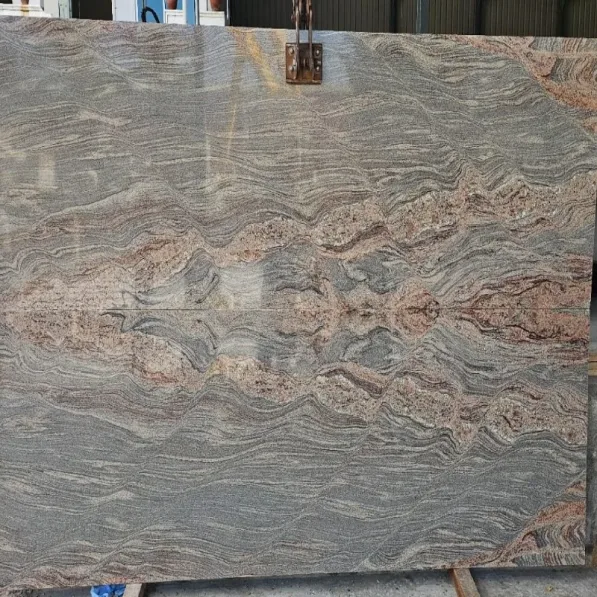
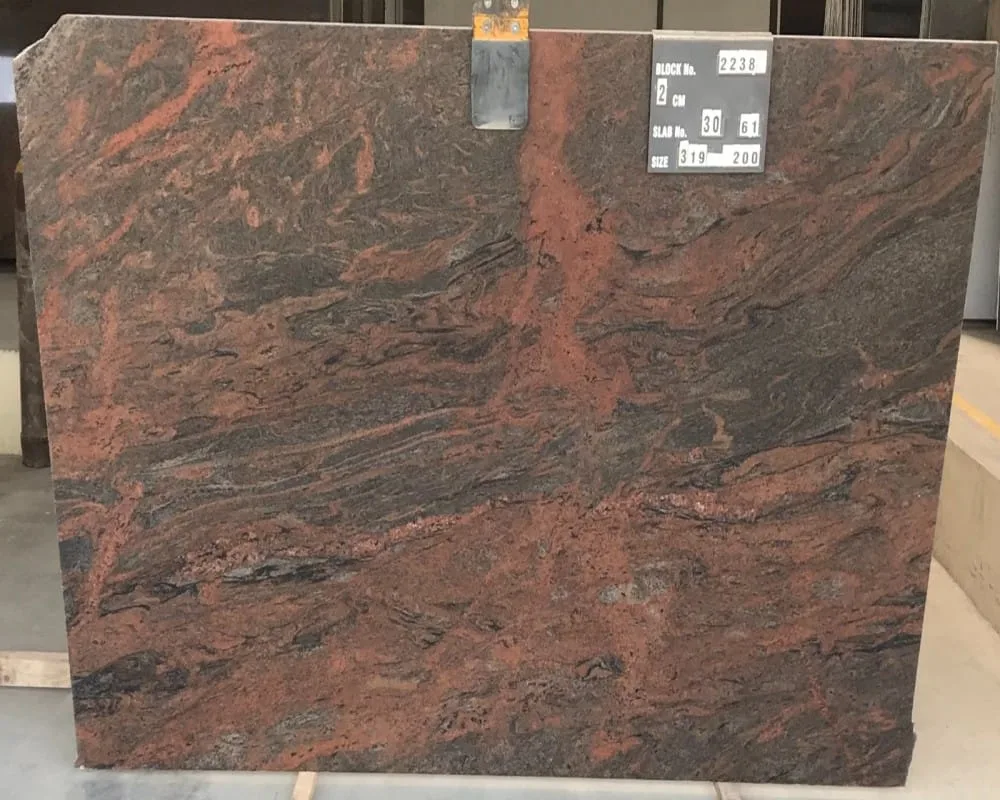
Red Multi Granite, also known as Red Multicolor Granite, is an Indian natural stone with bold red, brown, grey, and black patterns. Its durability, heat resistance, and unique multicolor texture make it a popular choice for kitchen countertops, flooring, wall cladding, and monuments. BBV Impex supplies and exports premium-quality Red Multi Granite slabs and tiles worldwide, offering multiple finishes and custom sizes to suit both residential and commercial projects.
Red Multi Granite originates from Indian quarrying regions where geological layering created this variegated stone combining multiple red spectrum tones within single formations. The material showcases deep red, maroon, rust, and burgundy zones punctuated by black, grey, and occasional white mineral intrusions forming dynamic mosaics across surfaces. Medium to coarse crystalline structure reveals complex mineral assembly where iron-rich feldspars generate primary coloring while darker components provide visual counterpoints. Performance testing demonstrates strong load-bearing capacity, reliable density figures, and manageable porosity responding well to standard sealing practices. Red Multi attracts specifications requiring color vibrancy combined with pattern activity, serving projects where material becomes defining design element.
Buyers who prefer bold wave patterns often compare Indian Aurora Granite, which offers dramatic red and brown movement similar to Red Multi Granite.
Red Multi, Multi Red, Multicolor Red, Indian Multicolor Red
Customers wanting deeper contrast often explore Bash Paradiso Granite, which features stronger color variation while maintaining a flowing texture like Red Multi Granite.
Parameter | Description |
| Slab Sizes | Gang Saw Slabs: 280 x 180 CM up in 2, 3 CM, and other Cutter Slabs: 180 x 60 CM up in 2, 3 CM, and other |
| Tiles | 30×30, 30×60, 40×40, 60×40, 60×60, 60 x 90, 60×120 CM in various thicknesses and custom sizes |
| Thickness | 6 mm, 18 mm, 20 mm, 30 mm & custom options |
| Others | Window sills, thresholds, monuments, steps & treads, flagstones, & articles available in custom sizes |
| Finishes | Polished, honed, leathered, bush hammered, lepatora, flamed, shotblasted |
| Standard Thickness | 18 MM (other thicknesses available) |
| Place of Origin | India |
The stone supports finishes that enhance its layered colors and natural movement:
Polished, Honed, Leather/Brushed, Bush hammered, Lepatora, Shotblasted, Flamed, Matte finish
For projects seeking a softer wave pattern, Paradiso Classic Granite provides elegant flowing designs compared to the high-contrast look of Red Multi Granite.
Red Multi Granite addresses specific installation contexts where its chromatic and textural characteristics advance design intentions:
Traditional Kitchens – Anchors culinary spaces embracing warm color palettes, particularly effective with wood cabinetry and oil-rubbed hardware where material reinforces period aesthetics.
Exterior Facades – Cladding building elevations where weather resistance combines with color permanence, creating architectural statements that maintain appearance despite environmental exposure.
Memorial Installations – Serves commemorative applications where red symbolism carries cultural significance and material durability ensures lasting tribute across decades.
Hearth Surrounds – Frames fireplace openings where red tones naturally complement flame colors, creating thematic unity between material choice and functional element.
Accent Flooring – Defines specific zones within larger circulation patterns through color differentiation, functioning as wayfinding device while providing durable wearing surface.
Landscape Features – Integrates into hardscape designs as stair treads, seat walls, and decorative borders where natural coloring harmonizes with planted environments.
When a more uniform red surface is required, New Imperial Red Granite serves as a cleaner alternative to the dynamic pattern of Red Multi Granite.
Red Multi Granite delivers functional and aesthetic benefits rooted in geological composition and chromatic properties:
Color Stability – Iron oxide minerals responsible for red coloring demonstrate exceptional permanence, maintaining appearance through years of UV exposure without noticeable fading.
Pattern Density – Heavy mineral activity throughout the stone camouflages operational wear patterns, allowing surfaces to age gracefully without showing traffic concentration or cleaning neglect.
For exterior projects needing color contrast, Crystal Yellow Granite pairs well with Red Multi Granite in paving and decorative installations.
Thermal Mass – Substantial density provides beneficial thermal lag in climate control, moderating temperature swings and contributing to passive environmental management strategies.
Cultural Authenticity – Carries traditional associations within Indian architectural heritage, connecting contemporary projects to historical material usage patterns valued in culturally-conscious design.
Maintenance Forgiveness – Busy surfaces tolerate irregular cleaning schedules better than monochromatic alternatives, practical advantage in operational contexts where maintenance resources fluctuate.
Economic Accessibility – Generally prices below exotic figured granites while delivering comparable visual impact, offering value proposition where budget constraints meet design ambitions.
Buyers comparing premium red stones often evaluate Imperial Red Granite, which offers a deeper and more consistent red tone than Red Multi Granite.
Red Multi Granite benefits from systematic stewardship practices protecting both performance and appearance:
Initial Treatment – Introduce penetrating sealer immediately following installation, allowing complete absorption before exposing to operational conditions; reapply biannually or per water absorption testing.
Cleaning Chemistry – Utilize pH-neutral formulations specifically developed for natural stone, avoiding household cleaners containing acids, alkalis, or abrasives compromising sealer integrity.
Incident Response – Address spills through prompt blotting action rather than wiping motions that spread contaminants; while patterns mask many issues, prevention remains superior to remediation.
Abrasion Awareness – Despite granite hardness, dragging heavy objects or abrasive debris across surfaces gradually dulls polished finishes; protective pads under appliances prevent cumulative damage.
Seam Monitoring – Inspect joints periodically for sealer degradation allowing moisture infiltration; addressing compromised seams early prevents subsurface staining requiring professional intervention.
Environmental Factors – In exterior applications, periodic pressure washing removes organic accumulation; interior installations benefit from dry mopping removing grit before it acts as grinding compound.
For monument applications, Cats Eye Granite is sometimes considered alongside Red Multi Granite due to its dark red-brown color and durability.
Property | Details |
| Origin | Primarily quarried in India (Rajasthan, Karnataka, and Andhra Pradesh states) |
| Color | Red to burgundy base with pink, cream, brown, gray, and black veining and swirls |
| Mineral Composition | Feldspar (40-55%), Quartz (25-35%), Mica (10-15%), Iron oxides, Biotite |
| Classification | Igneous rock – Granitic gneiss (metamorphic granite) |
| Density | 2.62 – 2.72 g/cm³ (163-170 lbs/ft³) |
| Porosity | Low to moderate (0.6% – 1.1%) |
| Water Absorption | 0.22% – 0.55% by weight (ASTM C97) |
| Compressive Strength | 1,370 – 1,900 kg/cm² (19,500 – 27,000 psi) |
| Flexural Strength | 98 – 180 kg/cm² (1,395 – 2,560 psi) |
| Mohs Hardness | 6 – 6.5 (moderately hard, durable) |
| Frost Resistance | Good to excellent (suitable for most climates) |
| Acid Resistance | Moderate (requires sealing for kitchen applications) |
| Heat Resistance | Excellent (up to 450°C/842°F) |
| Abrasion Resistance | High (suitable for flooring and countertops) |
| Stain Resistance | Good when properly sealed (varied colors help hide stains) |
BBV Impex operates direct relationships with quarries throughout Red Multi production zones, enabling material selection at extraction rather than downstream purchasing. Our quality protocols assess color distribution, structural soundness, and dimensional stability before blocks enter fabrication queues. Custom processing accommodates project-specific requirements including non-standard thicknesses, complex edge profiles, and specialized finishes beyond standard offerings. Protective shipping integrates thorough cleaning, strategic padding placement, and fumigation-compliant crating preventing transit damage to India-destination and international shipments alike. Complete documentation services handle export certifications, customs requirements, and delivery coordination aligned with construction schedules. Post-sale support provides installation guidance, sealing specifications, and maintenance protocols specific to multi-colored granite performance expectations.
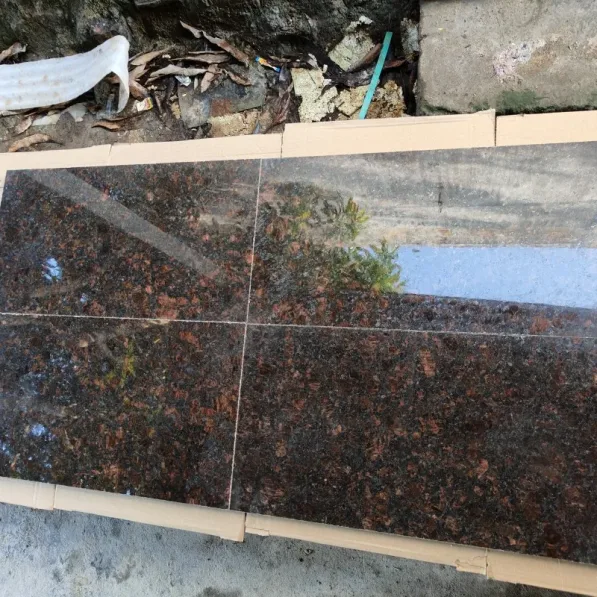
Those seeking warm-toned alternatives often compare Tan Brown Granite, which provides a uniform brown surface contrasting with the movement of Red Multi Granite.
Frequently Asked Questions
Does color variation in Red Multi complicate matching across large installations?
Variation is inherent and expected—attempting perfect uniformity contradicts the material’s nature. Skilled fabricators sequence slabs maintaining overall color balance while accepting individual character. Setting proper expectations prevents installation disappointments.
Can Red Multi coordinate with grey elements or does it demand warm palettes exclusively?
While naturally suited to warm schemes, intentional warm-cool contrasts can succeed when treated as design feature rather than accident. Grey elements become deliberate counterpoints to red intensity rather than failed coordination attempts.
How does Red Multi compare to solid red granites in terms of visual busyness?
Significantly busier—solid reds offer chromatic impact with minimal pattern distraction while Red Multi provides both. Choose based on whether you want color statement or color-plus-texture statement in your design narrative.
What causes some Red Multi slabs to appear more maroon while others lean rust-orange?
Mineral ratios vary throughout quarry deposits producing different red spectrum positions. Consistent project appearance requires viewing actual inventory designated for your work rather than assuming generic “Red Multi” delivers uniform results.
Is Red Multi appropriate for minimalist or contemporary design contexts?
Rarely—the busy patterning generally conflicts with minimalist principles valuing restraint. Occasional exceptions occur when designers intentionally deploy the material as singular bold gesture within otherwise subdued environments, but this requires sophisticated handling.
How should lighting be addressed when Red Multi dominates spatial experience?
Warm color temperatures (2700-3000K) enrich red saturation; cooler lighting shifts appearance toward purple undertones. Test samples under actual project illumination before committing, as perceived color varies dramatically with light source characteristics.
Does Red Multi require special installation considerations beyond standard granite protocols?
Standard practices apply, though the color variation demands careful slab sequencing. Experienced installers lay out entire jobs dry before permanent placement, ensuring color flow makes visual sense rather than creating random patchwork appearance.
Can Red Multi be book-matched or does pattern irregularity prevent this technique?
Book-matching works when slabs come from adjacent quarry cuts, though matching succeeds better with color zones than exact pattern duplication. Results vary based on specific slab characteristics—discuss possibilities with fabricators early in planning.