


Patagonia Quartzite Blocks
Patagonia Quartzite Blocks are metamorphic stone materials quarried in Brazil for high-end architectural projects, luxury countertops, and exterior cladding. They deliver superior hardness (Mohs 7) and distinctive gray-blue coloration with dramatic veining patterns.
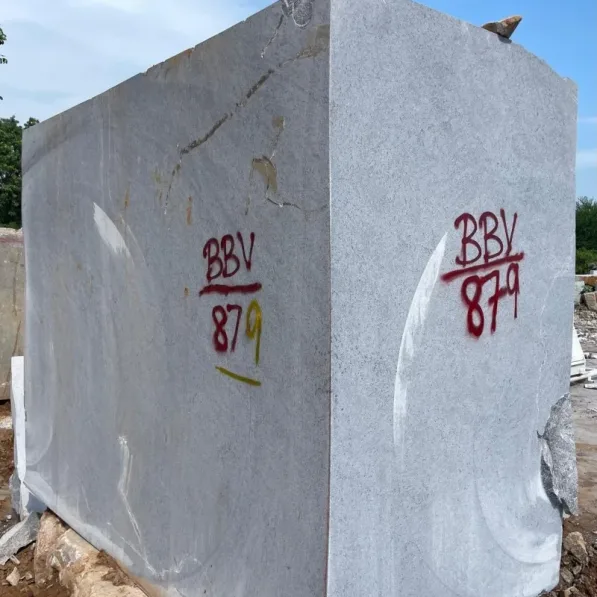
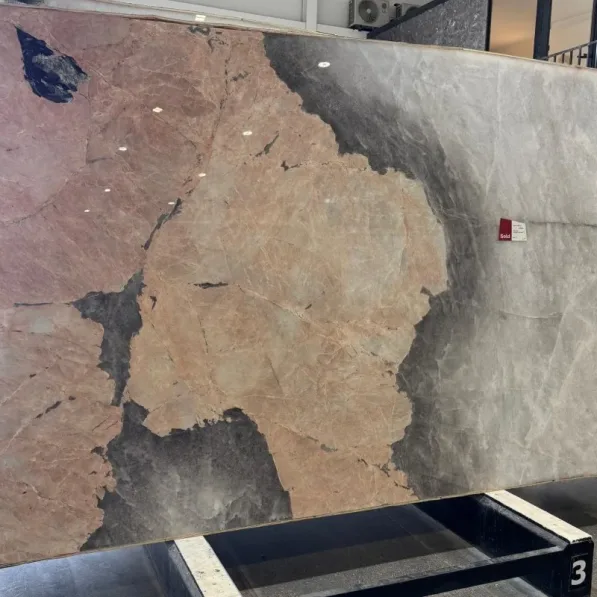
Patagonia Quartzite Blocks emerge from Brazilian geological formations where intense metamorphic processes transformed ancient sandstone into this dramatic quartzite exhibiting bold grey, white, and charcoal veining within raw block structures. These unprocessed formations present complex compositions combining light grey backgrounds with sweeping dark grey to black linear patterns creating dynamic visual movement reminiscent of stormy landscapes. Quartz-based mineralogy delivers exceptional hardness ratings, superior compression strength, and minimal porosity outperforming conventional granite. Blocks demonstrate reliable structural integrity supporting diverse downstream manufacturing from slabs to architectural components. Patagonia represents premium quartzite segment attracting specifications seeking dramatic contemporary aesthetics with performance exceeding marble while maintaining natural stone authenticity.
Patagonia Quartzite Blocks are chosen to fabricate Patagonia Quartzite slabs where bold pattern distribution and structural integrity must be preserved.
Patagonia Gold Quartzite, Patagonia Natural Quartzite, Patagonia Exotic Quartzite, Patagonia Stone, Patagonian Quartzite, Patagonia Fusion Quartzite, Patagonia Multicolor Quartzite etc.
When translucency is a priority, Patagonia Quartzite Blocks are often assessed alongside Cristallo Quartzite Blocks for block clarity and yield.
180up×60up, 200up×100up, 200up×120up, 260up×160up etc.
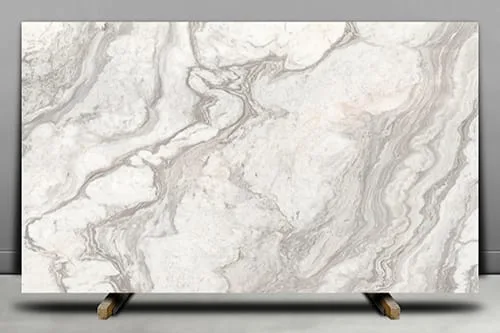
Backlit feature concepts sometimes compare Patagonia Quartzite Blocks with Himalayan Onyx Marble Block to evaluate light behavior at block level.
Patagonia Quartzite Blocks arrive unfinished from Brazilian extraction, accommodating subsequent surface treatments during fabrication:
Raw/Natural Surface – Preserves quarry-extracted texture enabling comprehensive vein assessment and pattern evaluation before fabrication investment.
Saw-Cut Surface – Creates reference planes revealing internal vein flow and pattern continuity guiding subsequent finishing decisions.
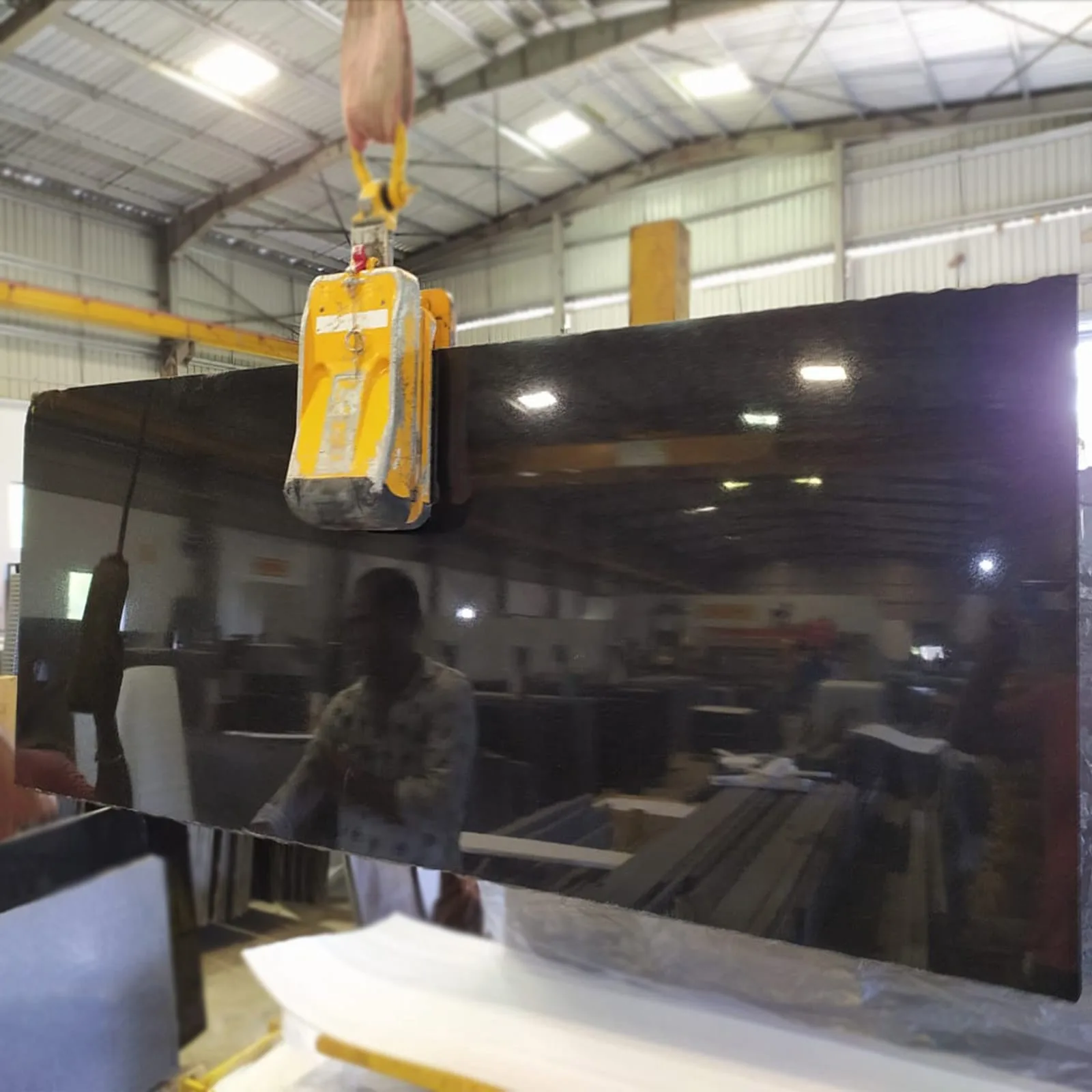
Polished Finish – Achievable post-slab cutting intensifying vein contrast and revealing depth through mirror-like reflectance.
Honed Finish – Produces smooth matte surfaces softening contrast while preserving pattern complexity, chosen for contemporary restraint.
Leathered Finish – Develops textured planes maintaining vein definition while adding tactile dimension, popular in upscale residential work.
Brushed Finish – Generates moderate friction appropriate for flooring while preserving pattern legibility.
Finished Lady Onyx Marble is frequently paired with slabs derived from Patagonia Quartzite Blocks to balance delicacy with visual strength.
Patagonia Quartzite Blocks serve applications where bold patterning combines with exceptional performance requirements:
Slab Production – Provides source material for kitchen countertops where dramatic veining creates focal surfaces without marble’s maintenance anxiety.
Dimensional Stone Projects – Supplies luxury architectural construction requiring premium components for facades, columns, and feature elements.
Feature Wall Manufacturing – Addresses interior accent walls where sweeping vein patterns function as natural artwork.
Monument Fabrication – Serves high-end memorial installations where quartzite durability exceeds marble while maintaining visual sophistication.
Construction Applications – Functions in ultra-premium building projects utilizing dramatic quartzite for flooring, cladding, and architectural statements.
Export Markets – Supplies international luxury residential and commercial industries seeking Brazilian quartzite blocks for exclusive projects.
Designers often anchor expressive slabs cut from Patagonia Quartzite Blocks with Absolute Black Granite to control contrast.
Patagonia Quartzite Blocks deliver benefits emerging from compositional characteristics and visual drama:
Performance Excellence – Quartz-based hardness exceeds granite while resisting acid etching plaguing marble, providing worry-free functionality.
Dramatic Aesthetics – Bold linear veining creates graphic impact impossible with speckled granite or plain materials satisfying contemporary preferences.
Heat Resistance – Unlike engineered quartz, natural quartzite tolerates direct heat contact from cookware without damage.
Acid Tolerance – Quartz composition resists etching from household acids including citrus, wine, and cleaning products destroying marble.
Contemporary Relevance – Grey-white palette and linear patterning align naturally with modern design vocabulary valuing material expressiveness.
Fabrication Control – Block purchasing enables pattern assessment and seam planning optimization before processing investment.
Patagonia Quartzite Blocks work well with Titanium Black Granite in modern interiors that emphasize layered textures and dark accents.
Patagonia Quartzite Blocks require appropriate protocols during storage and handling:
Storage Positioning – Place blocks on stable surfaces preventing stress fractures; premium quartzite value justifies careful positioning protocols.
Moisture Protection – Cover stored blocks preventing water exposure; grey-white surfaces show moisture marks requiring thorough drying.
Handling Expertise – Employ experienced operators familiar with hard quartzite handling; exceptional density demands proper equipment.
Pre-Fabrication Assessment – Examine blocks thoroughly identifying vein flow, pattern characteristics, and structural soundness optimizing cutting layouts.
Environmental Shielding – Protect stored blocks from temperature fluctuations preventing thermal stress within formations.
Post-Fabrication Care – Once finished, quartzite maintenance includes appropriate sealing protocols though demands prove less rigorous than marble.
For functional zones, Colonial White Granite is commonly introduced alongside slabs produced from Patagonia Quartzite Blocks to maintain brightness and durability.
Property | Details |
| Origin | Brazil (primarily from quarries in Espírito Santo and Bahia states) |
| Color | White to cream background with dramatic gray, charcoal, and taupe veining; flowing river-like patterns; medium to high variation |
| Mineral Composition | Primarily quartz (85-95%); contains mica (muscovite, biotite), feldspar, and minor accessory minerals |
| Classification | Metamorphic rock – Quartzite (metamorphosed sandstone with high quartz content) |
| Density | 2,620 – 2,720 kg/m³ (2.62 – 2.72 g/cm³) |
| Porosity | Low to moderate: 0.5 – 1.2% (by volume) |
| Water Absorption | Low to moderate: 0.20 – 0.50% (by weight) per ASTM C97 |
| Compressive Strength | 1,700 – 2,500 kg/cm² (167 – 245 MPa / 24,200 – 35,600 psi) |
| Flexural Strength | 130 – 240 kg/cm² (13 – 24 MPa / 1,885 – 3,480 psi) per ASTM C880 |
| Mohs Hardness | 7 – 7.5 (very hard, highly scratch-resistant) |
| Frost Resistance | Excellent – suitable for exterior use in all climates including freeze-thaw environments |
| Acid Resistance | Good to Excellent – quartz provides strong acid resistance; significantly better than marble |
| Heat Resistance | Excellent – withstands high temperatures (up to 300°C / 572°F); avoid sudden thermal shock |
| Abrasion Resistance | Very High: 27 – 34 on Hardness Abrasion (HA) scale per ASTM C241 |
| Stain Resistance | Good – moderate porosity requires sealing; sealed surface resists most stains effectively |
BBV Impex accesses Brazilian Patagonia Quartzite production through established sourcing networks conducting material evaluation emphasizing pattern balance, structural integrity, and geological soundness. Selection protocols assess vein intensity and directional flow variations between blocks enabling client pattern expectations management. As a specialty quartzite blocks exporter navigating Brazilian logistics, we coordinate international shipping addressing origin complexities and import requirements. Export operations incorporate protective packaging preventing surface marking particularly critical for grey-white quartzite during transit. Documentation services manage complete Brazilian export certifications and destination country compliance requirements. Technical consultation provides vein pattern layout guidance, fabrication recommendations addressing hardness considerations, and realistic availability projections given Brazilian production limitations.
Frequently Asked Questions
How predictable is vein direction when ordering Patagonia blocks for large installations?
Vein flow varies dramatically between blocks from different geological zones. Pre-selection from actual inventory essential for pattern coherence. Experienced fabricators sequence blocks maintaining directional continuity.
Can Patagonia blocks produce uniform appearance or does pattern intensity prevent this?
Pattern intensity inherently prevents uniformity. Material celebrates natural variation rather than manufactured consistency. Buyers accepting this reality achieve beautiful results; those expecting uniformity face disappointment.
What distinguishes Patagonia from other grey-veined quartzites in block form?
Patagonia exhibits dramatic linear veining versus subtle patterns in alternatives. Specific visual character requires viewing actual blocks—names alone don’t guarantee appearance.
How should buyers assess pattern quality before purchasing rough blocks?
Request saw-cut surface demonstrations revealing internal vein flow. View representative blocks from designated inventory. Professional assessment prevents expensive pattern mismatches.
What fabrication equipment handles Patagonia's exceptional hardness effectively?
Premium diamond-equipped cutting machinery essential. Experienced fabricators familiar with hard quartzite prevent excessive tool wear and material chipping.
Does exceptional hardness create structural advantages or fabrication complications?
Both—superior durability in finished products but increased fabrication costs and tool wear during processing. Performance benefits justify handling complexities for appropriate applications.
What export documentation requirements apply for Brazilian quartzite blocks?
Brazilian export certifications, phytosanitary certificates, commercial invoices, bills of lading, certificates of origin, and destination import compliance documentation.
How does purchasing Patagonia blocks compare economically to finished slabs?
Blocks offer lower per-unit material costs though fabrication expenses prove higher given hardness. Brazilian sourcing adds logistics costs. Total economics depend on volume and fabrication access.